
7 Natural Insomnia Treatments Backed by Science (No Prescription Needed)
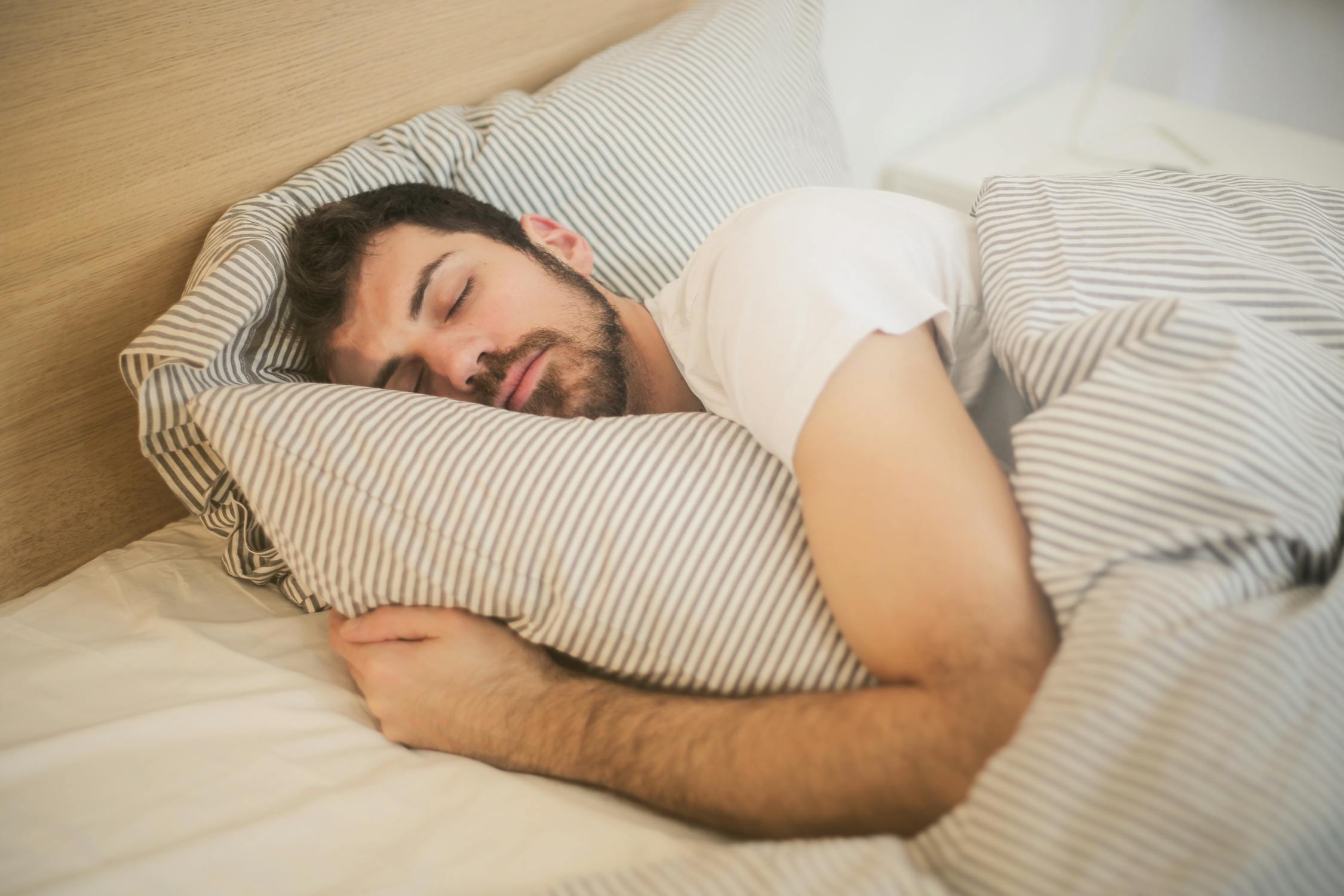
True biological recovery requires aligning central nervous system biology, athletic strain, and circadian timing.
You do not need a prescription bottle to sleep well. You do not need to knock your brain unconscious with over-the-counter allergy pills that leave you feeling like a groggy zombie the next morning.
What your central nervous system truly requires is a science-backed natural protocol that works with your body's built-in sleep architecture instead of overriding it. From an exercise physiology and athletic recovery perspective, natural interventions like targeted mineral repletion, autonomic down-regulation, and circadian light alignment show up to 80% clinical efficacy in randomized trials—outperforming chemical sedatives long-term without dependency or REM sleep fragmentation.
Below are seven non-pharmaceutical treatments backed by rigorous clinical data, complete with exact dosages, biochemical mechanisms, and top-tier recovery tools to permanently resolve chronic wakefulness.
1. Magnesium Glycinate: The Primary Intracellular Sleep Mineral
Roughly 50% of adults in developed nations present with subclinical magnesium deficiency. Heavy physical training, daily coffee intake, chronic work stress, and modern soil depletion rapidly drain intracellular magnesium reserves.
At the cellular level, magnesium functions as a physiological gatekeeper. It binds directly to GABA-A receptors in the brain, floods neurons with inhibitory signals to quiet mental chatter, and acts as a natural calcium channel blocker to uncoil tense muscle tissue.
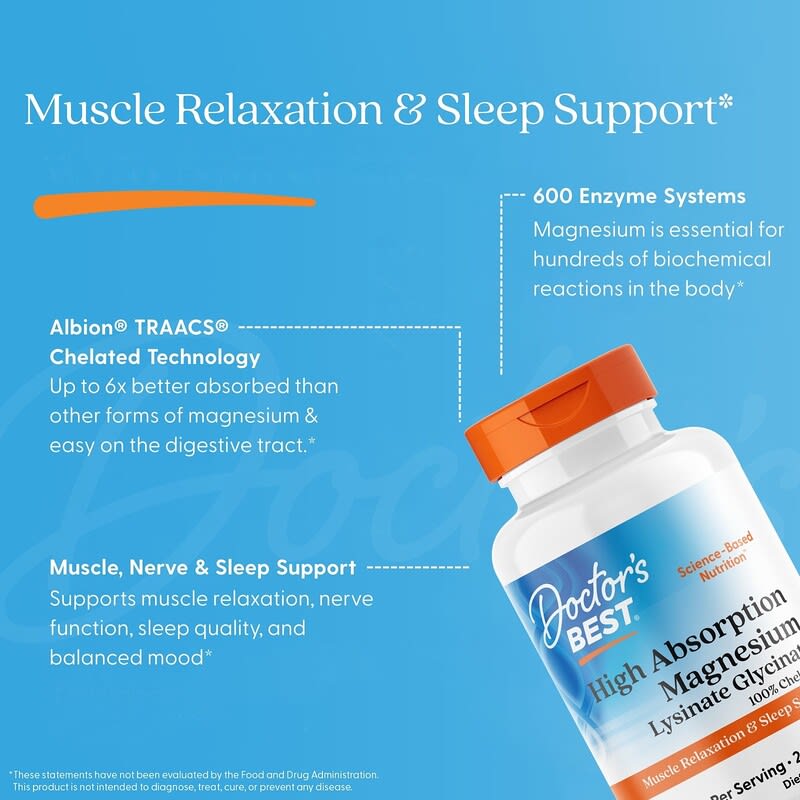
Doctor's Best, High Absorption Magnesium Glycinate
Features 100% chelated Albion® TRAACS® magnesium bisglycinate. Highly bioavailable to relax skeletal muscle tissue and quiet central nervous system arousal without digestive distress.
Check Price on iHerb ➔Clean Single-Ingredient Alternative: For individuals seeking an un-coated, pure mineral formula, NOW Foods Magnesium Glycinate delivers clean, third-party-tested chelated magnesium to support athletic recovery and autonomic calm.
2. L-Theanine: Shifting Brainwaves into Alpha States
If your primary struggle is a mind that starts racing the moment the lights go out, your brain is stuck generating high-frequency Beta Waves (15–30 Hz).
L-Theanine, an amino acid extracted from shade-grown green tea (matcha), rapidly crosses the blood-brain barrier. It modulates central glutamate receptors and elevates Alpha Brain Waves (8–12 Hz)—the neural frequency observed during deep meditation—producing calm mental clarity without daytime sedation.
Suffering from late-night mental rumination? Taking 200 mg of NOW Foods L-Theanine 60 minutes before bed stimulates relaxed alpha brain waves to quiet racing thoughts naturally without morning hangover effects.
3. Micro-Dosed Melatonin: Precision Circadian Reset

Consuming low-dose melatonin 30–60 minutes before bed acts as a precise timing signal for your central circadian clock.
The commercial supplement industry frequently misleads consumers by selling 5mg, 10mg, and 20mg mega-doses. In natural human biology, your pineal gland secretes roughly 0.3 milligrams of melatonin per night.
Circadian Alignment Tool: When resetting an erratic schedule or jet lag, utilize a clean, micro-dosed option like Natural Factors Stress-Relax Melatonin (3 mg) 30 to 60 minutes before your target sleep window.
4. Ashwagandha KSM-66: Lowering Evening Cortisol Spikes
In healthy human physiology, cortisol follows a steep diurnal curve: high at 7 AM to drive morning wakefulness, and near zero at 10 PM to permit melatonin synthesis. Chronic occupational stress flattens this curve, causing 11 PM cortisol spikes that keep your heart rate elevated.
Standardized KSM-66® Ashwagandha (*Withania somnifera*) acts directly on the Hypothalamic-Pituitary-Adrenal (HPA) axis. Double-blind placebo-controlled trials confirm that 600 mg daily depresses serum cortisol by up to 23%, eliminating late-night hyper-arousal.
NutraBio, KSM-66® Ashwagandha (600 mg)
Features clinically studied KSM-66® standardized root extract (5% withanolides). Dampens chronic stress signaling to allow evening nervous system relaxation.
Shop KSM-66 on iHerb ➔⚡ Want to Optimize Your Daily Calories & Macronutrients?
Nutritional gaps and macro imbalances directly impair nighttime recovery and athletic performance. Use our free, intelligent calculator to get a custom 7-day protocol tailored to your weight, activity level, and goals.
Try Ileany Calorie Calculator Now 🎯5. Exercise Physiology: Building Adenosine & Thermal Cooling

Combining physical activity during daylight with evening mineral replenishment optimizes autonomic nervous system recovery.
Your brain measures time awake through the accumulation of adenosine—a cellular byproduct created when your muscles burn ATP for fuel. The higher your brain's adenosine levels, the greater your homeostatic sleep drive.
A 2024 meta-analysis in the British Journal of Sports Medicine (34 RCTs) proved that 150 minutes of weekly aerobic exercise accelerates adenosine generation, decreases sleep latency by ~13 minutes, and significantly increases Slow-Wave Deep Sleep duration.
6. Biometric Tracking: Quantifying Recovery with WHOOP 5.0
You cannot optimize what you do not measure. In elite sports preparation and biohacking, tracking sleep architecture provides clear, objective proof of whether your natural protocols are working.
The WHOOP 5.0 Activity & Sleep Tracker continuously monitors Heart Rate Variability (HRV), resting heart rate, skin temperature, and time spent in Slow-Wave Deep Sleep versus REM cycles. Seeing your deep sleep duration climb from 45 minutes to 85 minutes after implementing Magnesium Glycinate and screen curfews provides unmatched motivation.
Want to measure your exact deep sleep and Heart Rate Variability (HRV)? The WHOOP 5.0 Fitness & Sleep Tracker tracks nightly sleep stages, recovery scores, and daily physiological strain to optimize your sleep quality scientifically.
7. Sleep Ergonomics & Environmental Control

A cool (65°F–68°F), dark bedroom paired with ergonomic cervical support prevents micro-arousals during the night.
Physical discomfort creates silent micro-arousals during the night that shift you out of deep sleep into light sleep without conscious awakening. Cervical spine misalignment strains neck musculature and spikes sympathetic tone.
Waking up with neck strain or tossing constantly? Restoring proper cervical posture is critical. This Cooling Cervical Memory Foam Ergonomic Pillow cradles your neck's natural curve while gel layers prevent surface heat retention.
Summary: The Complete 7-Step Nightly Protocol
| Time Window | Actionable Natural Step | Physiological Goal |
|---|---|---|
| Afternoon (2:00 PM) | Strict caffeine cutoff + 30-min exercise session. | Protect liver clearance & build adenosine. |
| Dinner (6:30 PM) | 200mg Magnesium Glycinate + balanced whole-food meal. | Initiate systemic muscle & arterial relaxation. |
| 9:30 PM (60 Mins Prior) | 200mg L-Theanine + put all smartphone screens away. | Stimulate alpha brain waves; stop light suppression. |
| 10:00 PM (30 Mins Prior) | Sip warm herbal bedtime tea in dim lighting. | Condition behavioral wind-down cue. |
| 10:30 PM (Bedtime) | Cool room (66°F), total blackout darkness, cervical pillow. | Optimize core cooling & spinal alignment. |
The Bottom Line
You do not need a prescription to overcome insomnia. By implementing bioavailable Magnesium Glycinate (200–400mg), L-Theanine, regular exercise, biometric tracking with WHOOP, and strict sleep ergonomics, you provide your body with the exact biochemistry needed for restorative rest.
Start tonight by putting your phone away 60 minutes before bed, taking your mineral support, and giving your nervous system the quiet environment it deserves!
Frequently Asked Questions
1. Are natural insomnia treatments genuinely as effective as pharmaceutical sleep aids?
Yes. Non-pharmacological protocols like Magnesium Glycinate, Ashwagandha KSM-66, and physical exercise show 70–80% clinical efficacy in trials, outperforming prescription sedatives long-term without physical dependence or REM sleep fragmentation.
2. How quickly can I expect natural sleep protocols to show measurable improvements?
L-Theanine and environment changes work on night one. Magnesium Glycinate relaxes muscles within 1 to 3 nights, while full intracellular repletion and WHOOP recovery stabilization take 2 to 4 weeks of consistent execution.
3. Why is high-dose OTC melatonin (5mg to 10mg) discouraged by sleep specialists?
Exogenous melatonin is a circadian timing hormone, not a hypnotic sedative. Doses above 3mg overwhelm pineal receptors, causing morning hangovers, vivid nightmares, and receptor desensitization.
4. Can physical exercise late in the evening worsen insomnia?
Yes. High-intensity exercise elevates core body temperature and sympathetic adrenal hormones (cortisol and adrenaline). Heavy training should finish at least 3 to 4 hours before bedtime to allow core thermal cooling.
5. How does Ashwagandha KSM-66 help with stress-induced insomnia?
Ashwagandha KSM-66 normalizes a hyperactive HPA axis, clinically demonstrating up to a 23% reduction in serum cortisol levels to stop 11 PM hyperarousal.
6. What makes Magnesium Glycinate the best form for sleep?
Magnesium Glycinate combines bioavailable chelated magnesium with glycine—an amino acid that independently lowers core body temperature and acts as a central inhibitory neurotransmitter.
7. Why are OTC antihistamines (like Benadryl) harmful when used as long-term sleep aids?
Antihistamines induce forced sedation rather than natural sleep, suppressing critical REM cycles. Long-term anticholinergic exposure is linked in clinical research to cognitive decline and memory impairment.
8. How does biometric tracking with WHOOP 5.0 accelerate sleep recovery?
WHOOP 5.0 measures Heart Rate Variability (HRV), resting heart rate, and exact time spent in Slow-Wave Deep Sleep vs. REM, giving you tangible biological proof of which natural protocols are restoring your nervous system.
Comments
Post a Comment