
Bipolar Disorder in 2026: New Treatments, Mood-Tracking Apps & What's Actually Changed
An honest, hopeful, evidence-based look at living with bipolar disorder right now — the protocols that work, the apps worth your time, the sleep science that changes everything, and the supplements that help (and the ones that can quietly hurt).

Bipolar disorder is not a character flaw or a mood swing you can "think positive" away. It's a real, treatable medical condition — and 2026 has more tools than ever.
📋 What's inside
- What bipolar disorder actually is (and isn't)
- What's genuinely new in 2026
- Mood-tracking apps: which ones are worth it
- The sleep connection — your most powerful lever
- Supplements: the safe, the maybe, and the dangerous
- Nutrition & daily rhythm that support stability
- For families & caregivers: how to actually help
- Building your personal stability plan
- FAQ
If you're reading this, maybe you got a diagnosis recently and you're trying to make sense of a word that suddenly rearranged your whole life. Maybe you've been managing this for years and you're tired, and you want to know if anything has actually gotten better. Or maybe you love someone with bipolar disorder and you're searching for a way to help without making things worse.
Wherever you're sitting, welcome. Take your time here.
The conversation around bipolar disorder has shifted a lot. A decade ago, the message was mostly "take your lithium and try to stay stable." That was never wrong — but it was never the whole story either. In 2026, the picture is richer: better medications with fewer side effects, therapies that target the rhythm of daily life, apps that catch warning signs before you do, and a much deeper understanding of how sleep, light, stress, and even gut health weave into mood.
This guide is our attempt to give you that whole picture — plainly, warmly, and without the hype. We'll tell you what's new, what works, what's overhyped, and — just as importantly — what can quietly make things worse. Because with bipolar disorder, "natural" doesn't automatically mean "safe," and you deserve to know that.
01What bipolar disorder actually is (and isn't)
Let's clear the fog, because the word "bipolar" gets thrown around casually in a way that hurts people who actually live with it. "Ugh, I'm so bipolar today" is not a joke when the condition can cost you relationships, jobs, and — in the worst moments — your sense of safety.
Bipolar disorder is a biological mood disorder involving episodes of abnormally elevated mood (mania or hypomania) and, for most people, episodes of depression. It's driven by genetics, brain chemistry, circadian biology, and stress — not by weakness or poor attitude. It affects roughly 2–3% of people worldwide, and it usually shows up in the late teens or twenties.
The main types, in plain language
| Type | What it looks like | Key feature |
|---|---|---|
| Bipolar I | At least one full manic episode (often with depression too) | Mania is severe: may include psychosis, hospitalization, very little sleep without feeling tired |
| Bipolar II | Hypomania (a "lighter" high) + major depression | Depression usually dominates; hypomania can feel like your "best self" so it goes unreported |
| Cyclothymia | Chronic, milder ups and downs for 2+ years | Mood swings don't meet full episode criteria but are persistent and disruptive |
| Rapid cycling | 4+ mood episodes in a year | A pattern specifier, not a separate type; needs careful medication strategy |
02What's genuinely new in 2026

Modern bipolar care is a team sport: medication, therapy, rhythm, data, and support working together.
Here's what has meaningfully moved forward — not hype, not "one study in mice," but real shifts in how good clinicians are treating bipolar disorder this year.
1. Long-acting injectables got better (and less stigmatized)
Forgetting pills during a high or a low is one of the most common reasons people relapse — and it's nobody's moral failure, it's just what the illness does to routines. Long-acting injectable (LAI) antipsychotics, given every 2 weeks to every few months, have become a quietly transformative option. In 2026 they're prescribed earlier and more openly, removing the daily "did I take it?" battle and giving families enormous peace of mind.
2. Ketamine / esketamine — carefully, for bipolar depression
Ketamine's rapid effect on treatment-resistant depression is real. The 2026 nuance: it's now being used cautiously in bipolar depression under tight protocols — always alongside a mood stabilizer, because on its own it can tip someone toward mania. It's not a first-line home remedy; it's a specialist tool for people who haven't responded to other options. If your depression has been stubborn, it's worth asking a mood-disorder specialist whether you're a candidate.
3. IPSRT went mainstream
Interpersonal and Social Rhythm Therapy (IPSRT) is having its moment, and deservedly so. The core idea is deceptively simple: people with bipolar disorder have a more sensitive internal clock, and keeping your daily rhythms — sleep, meals, light, social contact — regular is itself a treatment. IPSRT gives you a structured way to do that while also working through the relationships and life events that tend to trigger episodes. It's one of the few therapies with solid evidence for preventing future episodes, not just treating the current one.
4. TMS adapted for bipolar (with mania guards)
Transcranial Magnetic Stimulation — gentle magnetic pulses to the brain — is well established for unipolar depression. The 2026 update is that specialized clinics now run bipolar-specific TMS protocols (different targeting, lower-intensity ramps, concurrent mood stabilizers) to treat bipolar depression while minimizing the small risk of flipping into hypomania. Another option for the depression that won't lift.
5. Digital tools became part of the prescription
Mood-tracking apps, passive wearable data, and even FDA-cleared digital therapeutics are increasingly something clinicians ask to see at your appointment — the same way they'd look at a blood sugar log. We'll get into the apps next.
03Mood-tracking apps: which ones are actually worth it
Tracking your mood sounds like homework, and on your worst days it feels impossible. We get it. But here's why it matters so much with bipolar disorder specifically: you are often the last person to notice a shift. Hypomania feels good. Early depression feels like "just a rough week." A tracker creates an outside record that catches the slope before you're at the bottom or the top.
The trick is picking one that's so frictionless you'll actually use it. If logging takes 90 seconds, you'll quit. If it takes 8, you'll keep going.
| App | Best for | Why people stick with it |
|---|---|---|
| eMoods | Bipolar specifically | Built for bipolar: tracks highs, lows, irritability, anxiety, sleep, and meds in one tap. Generates a report you can hand your psychiatrist. No social feed, no fluff. |
| Daylio | Fast daily micro-logging | Tap a mood + a few activity icons. Under 10 seconds. Great for spotting "I always crash 3 days after a late night." |
| Bearable | Finding your personal triggers | Correlates mood against sleep, food, exercise, weather, and meds automatically, then shows you patterns. The "aha" machine. |
| Bipolar UK resources | Education + community | Excellent mood charts, peer support, and plain-language guides from a trusted charity. |
The next level: pair your mood with your body's data
Here's where 2026 gets genuinely interesting. Mood is the output. Sleep quality, heart rate variability (HRV), and resting heart rate are often the early input — the canary in the coal mine. A dropping HRV and a creeping-down sleep score can show up days before you consciously feel a mood shift, especially toward mania (where sleep quietly erodes first) or depression (where restfulness collapses).

WHOOP 5.0 — Sleep, HRV & Recovery, 24/7
For bipolar disorder, the most valuable thing a wearable can do is make your sleep and recovery trends visible. WHOOP tracks sleep stages, HRV, resting heart rate, and strain continuously with 14+ days of battery. Watching a 3-day sleep decline or a plunging HRV trend can be the nudge that says "text my doctor / protect tonight's sleep" before an episode takes hold. It's not a diagnosis — it's an early heads-up system you can show your care team.
See WHOOP 5.0 on Amazon ➔04The sleep connection — your single most powerful lever
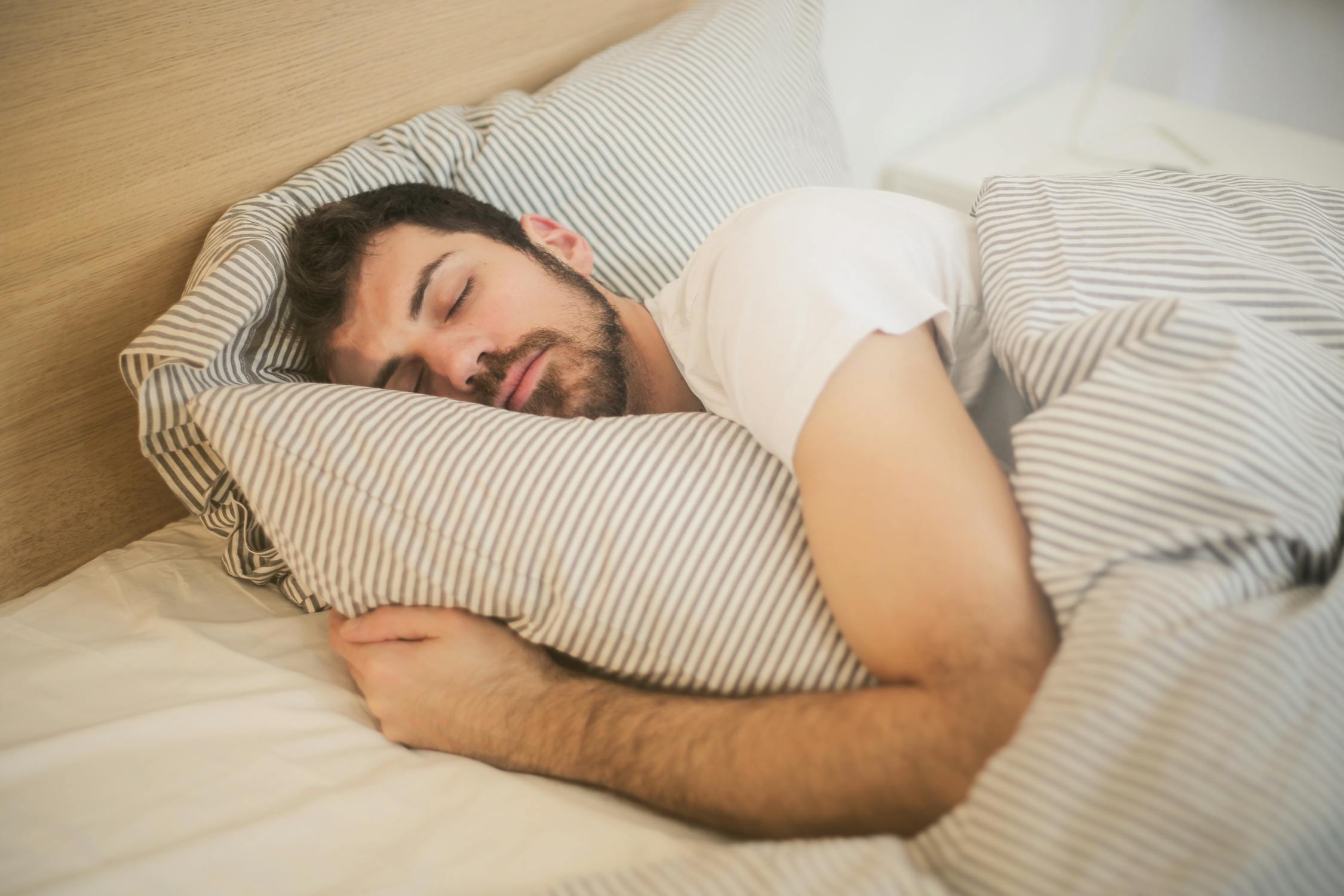
In bipolar disorder, sleep isn't a luxury or a "nice to have." Protecting it is a frontline treatment.
If you take one mechanism away from this whole article, let it be this one, because it changes how you see everything else:
This is also why IPSRT works: regularizing your sleep-wake time anchors your circadian clock, and a stable clock is a more stable mood. The practical version of this is almost boring, which is exactly the point.
- Same wake-up time, every day — including weekends, including after a bad night. This is the anchor.
- Morning light within an hour of waking — 10–20 minutes of daylight (or a 10,000-lux lamp, used with your clinician's OK, since bright light can occasionally tip mood the wrong way in bipolar — another reason to coordinate).
- A wind-down you actually repeat — dim lights, no scrolling, the same calming sequence nightly so your brain learns "this means sleep."
- Treat insomnia as a clinical priority, not an annoyance. If you can't sleep, tell your care team. CBT-I (the gold-standard insomnia therapy) can be adapted safely for bipolar disorder — but the sleep-restriction part is usually softened, because too little time in bed is itself a risk here.
Struggling to switch your brain off at night? The INSOMNIAC: The Ultimate Sleep Therapy guide walks through the science of insomnia and practical, step-by-step lifestyle modifications for "switching off" a racing mind — a useful companion to read alongside whatever your clinician recommends. (And if your sleeplessness is part of a mood shift, loop your doctor in — that information matters to them.)
Pair a calming sleep ritual with something gentle and caffeine-free, and the ritual itself becomes a cue your nervous system learns to trust:
A warm, caffeine-free cup as part of your wind-down does double duty — the herbs are mild, but the ritual is the real medicine. Yogi Tea Stress Relief (Honey Lavender) blends lavender, chamomile, and lemon balm for the anxious, racing-thought evenings, and Yogi Tea Bedtime® (passionflower + chamomile) is a cozy "day is over" signal. Brewing, waiting, sipping slowly in a dim room = a behavioral anchor for sleep.
05Supplements: the safe, the "maybe," and the genuinely dangerous
We want to slow right down here, because this is the section where well-meaning internet advice does real harm to people with bipolar disorder. The supplement world loves a "natural mood booster." But a brain that swings between poles does not always react to "boosting" the way a stable brain does. Something that lifts mood can lift it straight into mania. Something that's "calming" can interact with your medication. So let's sort the shelf into three honest piles.
🟢 Pile 1 — Reasonable, evidence-supported add-ons (with your psychiatrist's OK)
Omega-3 fatty acids (EPA/DHA). This is the supplement with the most consistent — though modest — evidence in bipolar disorder, particularly for the depressive side. Several trials and meta-analyses suggest EPA-predominant omega-3 can help bipolar depression as an add-on, with a good safety profile. It also supports the cardiovascular health that people on some mood stabilizers need to watch.
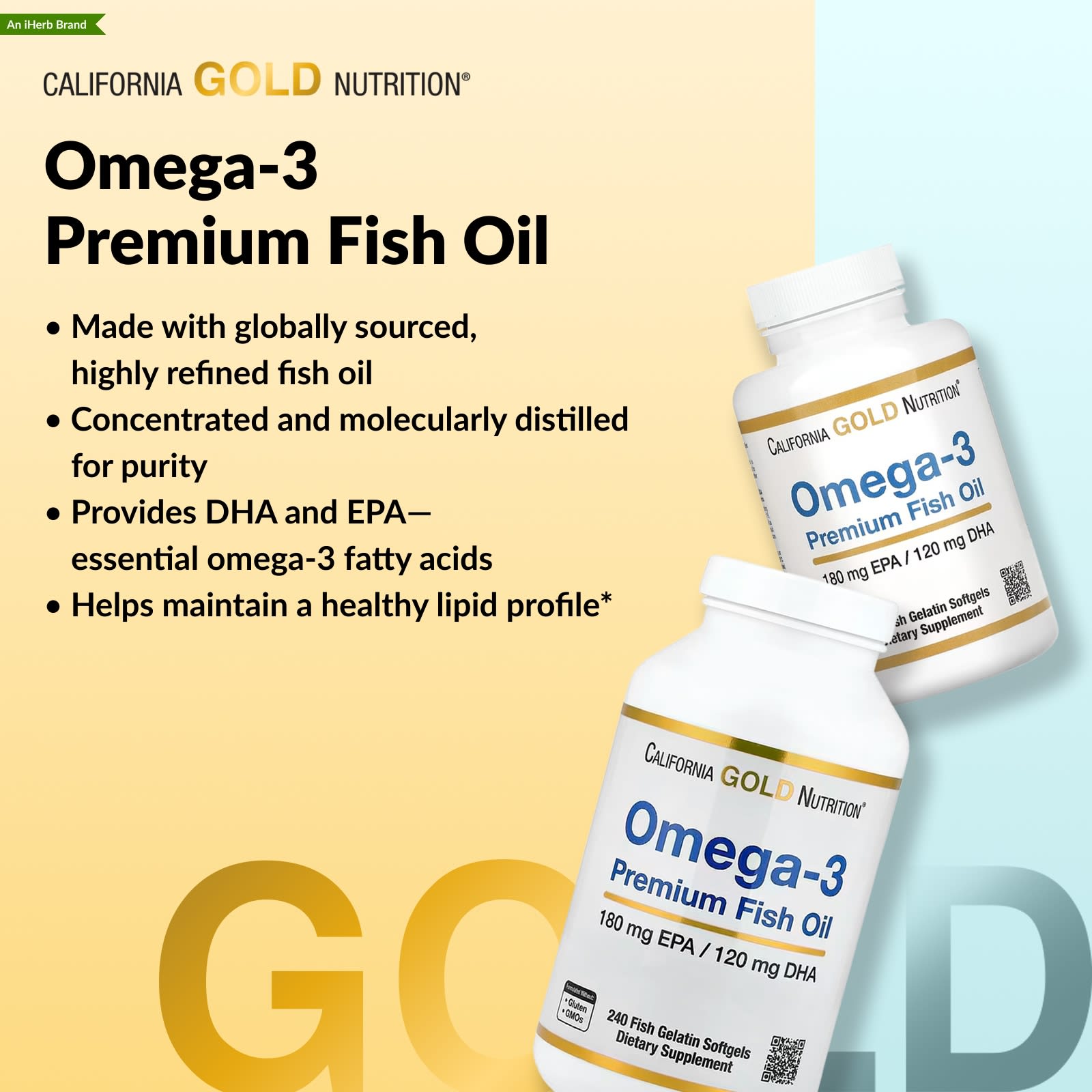
California Gold Nutrition, Omega-3 Premium Fish Oil
360 mg EPA + 240 mg DHA per serving in clean triglyceride form. The depressive-pole evidence leans toward EPA-forward formulas, so for higher potency look at Omega 800 Ultra-Concentrated (480 EPA / 320 DHA). Take with food. Tell your psychiatrist — omega-3 is generally safe, but they should have the full picture, especially if you're on blood thinners.
Shop Omega-3 on iHerb ➔NAC (N-acetylcysteine). A genuinely interesting one. NAC modulates glutamate, the brain's main excitatory neurotransmitter, and a number of trials — including work from the bipolar research community — have found it helpful as an add-on for bipolar depression, with a favorable safety profile. It's not a cure and it's not instant, but it's one of the more legitimate "worth a conversation with your doctor" options.
NOW Foods NAC with Selenium (600 mg NAC + selenium for antioxidant support) is a clean, straightforward option people discuss with their psychiatrist for depressive-phase support. Typical studied doses run 1–2 g/day in divided doses — but that's a number to confirm with your clinician, not to self-prescribe.
L-Theanine. For the anxious, wired, can't-quiet-the-mind moments — without sedation — L-theanine (the amino acid from green tea) is one of the gentler options, promoting a relaxed-but-alert state. It's a small support layer, not a mood treatment, and it pairs naturally with a wind-down ritual.
NOW Foods L-Theanine (200 mg) supports calm focus and relaxation without sedation — useful for the stressed day and the racing-thought evening. As always with bipolar disorder, run it past your clinician if you take other medications.
🟡 Pile 2 — "Talk to your doctor first," not "grab it off the shelf"
Magnesium. Magnesium is wonderful for many people and we love it for sleep and general health elsewhere on this site. But — and this is a real but — magnesium can affect how the kidneys handle lithium, potentially raising lithium levels toward the toxic range. If lithium is anywhere in your treatment, magnesium supplementation is a "clear it with your prescriber and possibly monitor levels" situation, not a casual one.
Ashwagandha and other "adaptogens." These are marketed as stress-balancers, and for many people they're fine. In bipolar disorder, though, anything that shifts neurotransmitters or "energizes" carries a theoretical (and sometimes reported) risk of nudging mood upward. There are case reports of adaptogens and stimulating herbs coinciding with hypomania. Not a hard "never," but absolutely a "don't start this on your own."
🔴 Pile 3 — Generally avoid with bipolar disorder
The same caution extends to 5-HTP, SAMe, and high-dose "serotonin boosters" used on their own — they can destabilize mood or, combined with certain medications, push toward serotonin syndrome.
If you're drawn to herbal approaches (and many people find real comfort in them), the Herbal Remedy Companion is a thoughtful guide to how herbs combine and absorb — but treat it as education, then run anything you actually want to try past your psychiatrist or pharmacist. With bipolar disorder, "natural" and "harmless" are not the same word, and herb–drug interactions are very real.
06Nutrition & daily rhythm that support stability

Gentle, regular movement is mood medicine — and crucially, it's also rhythm medicine.
There's no "bipolar diet" that treats the condition. Anyone selling you one is selling you something. But there absolutely is a way of eating and moving that supports a stable brain, mostly by supporting a stable body clock and steady blood sugar — because big glucose swings and erratic eating are themselves mood stressors.
- Regular meals, roughly the same times daily. This is rhythm therapy by another name. Skipping meals → blood sugar crash → mood and irritability swing.
- Steady, complex carbs + protein + fat at each meal to avoid the spike-and-crash rollercoaster that mimics and worsens mood instability.
- Omega-3s, leafy greens, berries, nuts, fermented foods — the same anti-inflammatory, brain-friendly foods that support everyone, with extra relevance here because bipolar disorder involves measurable inflammation and oxidative stress.
- Watch caffeine like a hawk. Caffeine can worsen anxiety, fragment sleep, and — in sensitive people — nudge toward hypomania. Many people with bipolar do best cutting it off by early afternoon or dropping it entirely during vulnerable periods.
- Be honest about alcohol and cannabis. Both are common "self-medication" that quietly destabilize mood, disrupt sleep, and interact with medications. This isn't a lecture — it's just the mechanism, laid bare, so you can make an informed choice.
Want a deeper, food-as-medicine lens on which foods support mood, energy, and a calm nervous system? The Encyclopedia of Power Foods maps 300+ foods to their properties (drawing on both modern nutrition and Traditional Chinese Medicine) — handy for building a steady, brain-supportive plate without overthinking every bite.
And movement — not as punishment or a "should," but as a rhythm-setter and a stress valve. The key word for bipolar is regular and moderate. A consistent daily walk or gentle yoga does more for circadian stability than an occasional punishing workout (which can also wreck sleep if it's too late or too intense). A simple mat at home removes the friction on the days motivation is low:
A non-slip yoga mat by the bed or couch means a 10-minute stretch or breathing session is always available — no gym, no commute, no barrier. On high-energy days it's a grounding practice; on low days it's a gentle way to reconnect with your body. Pair it with a tracked water bottle on your desk, because dehydration is a sneaky mood and focus drain.
⚡ Want a Steady, Brain-Supportive Plate Without the Guesswork?
Regular, balanced meals are a core part of rhythm therapy for bipolar disorder. Use our free calculator to map out a simple macro and calorie baseline that keeps your blood sugar — and therefore your mood — on even ground.
Try Ileany Calorie Calculator Now 🎯07For families & caregivers: how to actually help

Loving someone with bipolar disorder is its own journey. Your support matters enormously — and so does your own wellbeing.
If you're reading this because someone you love is living with bipolar disorder, first: thank you for showing up. The fact that you're trying to understand already puts you miles ahead. Here's what tends to help most — and what tends to backfire.
Learn the early warning signs — their specific ones
Every person's "tells" are different. For one person it's talking faster and starting five projects; for another it's suddenly not needing sleep; for another it's a sharp edge of irritability. Ask, gently, when they're well: "What do your early signs look like, and how do you want me to mention them?" Agree on the wording before a crisis, when nobody's defensive.
Help protect the rhythm, not police the person
"Did you take your meds?" can feel like an accusation. "I made tea, want to wind down together at the usual time?" feels like care. Supporting sleep routines, regular meals, and calm evenings is one of the most powerful things you can do — and it's collaborative rather than controlling.
Build a written crisis plan together, in peacetime
When someone is well, sit down and write out: who to call, which doctor, what medications, what the early signs are, what helps, what to avoid, and what consent looks like if things get severe. Having it on paper before you need it removes panic and arguments from the worst moments. Many clinics have templates; Family-Focused Therapy (FFT) is a structured, evidence-backed way to build exactly this kind of teamwork, and it measurably reduces relapse.
Separate the person from the episode
The cruel, hurtful, reckless things an episode can produce are the illness, not the heart of the person you love. That doesn't mean you accept abuse or abandon your boundaries — boundaries are essential. But holding the line and holding the love at the same time is the whole art of it.
08Building your personal stability plan
Let's turn all of this into something you can actually hold. A stability plan isn't a rigid rulebook — it's a living document you build when you're well so it's there when you're not. Steal this skeleton:
| Piece of the plan | What to write down |
|---|---|
| My team | Psychiatrist, therapist, GP, pharmacist, 1–2 trusted people + their numbers |
| My medications | Names, doses, timing — and "never stop abruptly without my doctor" |
| My early signs | Sleep dropping? Talking faster? Spending? Withdrawing? List yours |
| My daily anchors | Wake time, meal times, wind-down ritual, morning light, movement |
| My tracking | Which app + wearable, and who sees the weekly trend |
| My "stop & call" list | The signs that mean "contact my clinician today" |
| My crisis steps | Who to call, where to go, what consent I give in advance |
| My joy list | Things that ground and delight you — yes, include this. Stability isn't just avoiding the lows; it's protecting the good. |
The honest bottom line
2026 didn't bring a magic cure for bipolar disorder. But it brought something almost as valuable: more precision, more tools, and more respect for the whole person — your sleep, your rhythm, your data, your relationships, your body, not just your prescription list.
The through-line of everything above is regularity and early detection: protect your sleep like it's medicine (because for you, it is), track enough to catch the slope early, keep an honest list of everything you put in your body, and build a team and a plan before you need them.
And please — be as kind to yourself as you'd be to a friend reading this same page. You're managing something genuinely hard, in a world that doesn't always make room for it. Showing up, learning, planning, reaching out? That's not small. That's the work, and you're doing it.
Frequently asked questions
What's actually new in bipolar treatment in 2026?
Wider, earlier use of long-acting injectable medications; cautious specialist use of ketamine/esketamine for bipolar depression (always with a mood stabilizer); mainstream adoption of IPSRT (rhythm-focused therapy); FDA-cleared mood-tracking and digital tools; and bipolar-specific TMS protocols with mania safeguards. The biggest shift is treating the whole daily system — sleep, light, routine — as part of the therapy, not an afterthought.
Can supplements replace my mood stabilizer?
No — never. Supplements are not a substitute for prescribed medication or therapy. A few (omega-3, NAC) have modest add-on evidence, mostly for the depressive side. Others can actively destabilize mood or interact with your meds. Anything you add should be cleared with your psychiatrist, who knows your full history.
Why does everyone keep talking about sleep?
Because sleep loss is one of the most reliable triggers of mania, and an irregular body clock destabilizes mood in bipolar disorder more than in most other conditions. Protecting a regular sleep-wake rhythm isn't a lifestyle tip here — it's a recognized treatment strategy (the heart of IPSRT).
Is St. John's Wort safe for me?
Generally no for bipolar disorder. It can trigger mania/hypomania and it interacts with many medications by changing how your liver clears them. Most clinicians recommend people with bipolar disorder avoid it — and any "mood" or "calm" product that contains it (or 5-HTP / SAMe used solo). Always check the full ingredient list with your pharmacist.
Which mood app should I start with?
Start with the one you'll actually use. eMoods if you want something built specifically for bipolar that produces a clinician-friendly report; Daylio if you need the fastest possible daily tap; Bearable if you want it to find your triggers for you. Pairing any of them with a wearable like WHOOP adds the sleep/HRV early-warning layer.
How can I help my partner / child / parent with bipolar disorder?
Learn their specific early warning signs, support (don't police) their daily rhythm, build a written crisis plan together while they're well, look into Family-Focused Therapy, separate the person from the episode while keeping healthy boundaries, and — critically — care for your own mental health too.
References & further reading
- American Psychiatric Association. Practice Guideline for the Treatment of Patients With Bipolar Disorder (and 2024–2026 focused updates).
- International Society for Bipolar Disorders (ISBD) — treatment & lifestyle position statements.
- National Institute of Mental Health (NIMH). Bipolar Disorder fact sheets & research updates.
- Frank E, et al. Interpersonal and Social Rhythm Therapy (IPSRT) — efficacy in relapse prevention.
- Meta-analyses on adjunctive omega-3 (EPA-predominant) and NAC in bipolar depression (e.g., Sarris et al.; Berk et al.).
- Harvey AG, et al. Sleep and circadian rhythm disruption in bipolar disorder.
- Miklowitz DJ. Family-Focused Therapy (FFT) outcomes in bipolar disorder.
- Reviews on St. John's Wort: mania risk and CYP450 drug interactions.
- Ketamine/esketamine in bipolar depression: specialist-protocol reviews & mania-safeguard guidance.
Comments
Post a Comment