
Crohn's Disease Diet: Foods That Trigger Flare-Ups vs. Foods That Actually Help
There's no single "Crohn's diet" — and anyone selling you a cure is selling you something. But there IS a way to eat that calms a flare, protects your remission, and fills the nutrient gaps the disease quietly creates. Here's the honest, practical version.
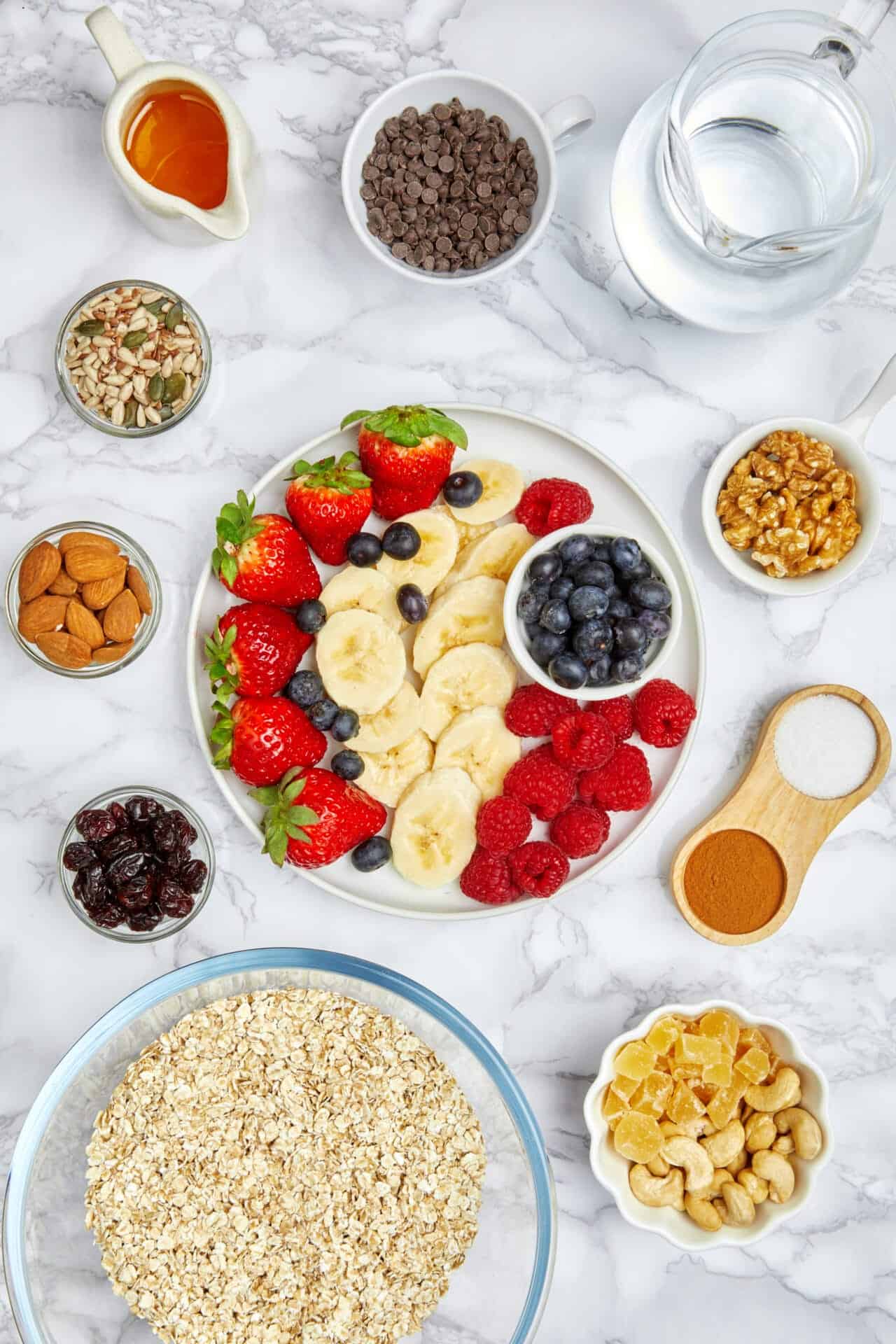
With Crohn's, food isn't the enemy and it isn't the cure — it's one of the most powerful dials you can turn, alongside your medical treatment.
📋 What's inside
- What Crohn's actually is (and why "diet cures it" is the wrong frame)
- The two-mode mindset: eating for a flare vs. eating for remission
- Foods that commonly trigger flare-ups
- Foods that soothe and support healing
- The nutrient gaps Crohn's creates — and how to fill them safely
- Gut-healing helpers: the evidence-honest view
- Practical tools & daily rhythm that reduce flares
- Build your personal Crohn's food map
- FAQ
If you've recently been diagnosed with Crohn's disease, or you've been living with it for years and you're exhausted by the guesswork, you've probably noticed something frustrating: the internet has a thousand confident opinions about what you should eat, and almost none of them agree. One source says go vegan. Another says carnivore. Someone's cousin "cured" theirs with a juice cleanse. A supplement ad promises to "heal your gut lining" in thirty days.
So let's start by clearing the air, because you deserve a straight answer: there is no single Crohn's diet, and no food or supplement cures this disease. Crohn's is a chronic, immune-mediated inflammatory condition, and the idea that you can eat your way out of it — or that you "gave yourself" Crohn's by eating the wrong things — is not only wrong, it's a burden no one should carry. You didn't cause this. And you can't simply salad your way out of it.
But here's the genuinely hopeful part: food is one of the most powerful tools you have — not as a cure, but as a daily lever that can reduce how often and how hard you flare, help your intestine heal during remission, ease the miserable day-to-day symptoms, and protect you from the nutrient deficiencies that Crohn's quietly creates and that make everything else (fatigue, mood, healing) so much harder.
This guide is the honest, practical version. We'll separate the foods that tend to trigger flares from the foods that tend to soothe and support healing, explain the crucial difference between eating during a flare and eating during remission (they're almost opposite), walk through the specific nutrient gaps you should get checked, and look — without hype — at which "gut-healing" helpers actually have evidence behind them and which are marketing. And we'll flag the safety points that matter, because with Crohn's, some well-meaning advice can genuinely do harm.
01What Crohn's actually is (and why "diet cures it" is the wrong frame)
Crohn's disease is a type of inflammatory bowel disease (IBD) in which the immune system mistakenly attacks the lining of the digestive tract, causing chronic inflammation. It can affect any part of the gut from mouth to anus, though it most commonly involves the end of the small intestine (the ileum) and the start of the colon. It tends to come in waves — periods of active inflammation called flares, and quieter periods called remission.
Understanding a few mechanics changes how you think about food:
- It's immune-driven, not "just a bad stomach." The inflammation is the core problem. Food can aggravate or soothe the symptoms and the inflamed tissue, but it doesn't switch off the underlying immune process — that's what your medications (steroids, immunomodulators, biologics) are for.
- Inflamed intestine doesn't absorb well. When the lining is inflamed — or has been surgically removed — your body struggles to absorb nutrients, water, and bile salts. This is why malnutrition and dehydration are real risks, not just theoretical ones.
- The gut can narrow (strictures). Repeated inflammation can cause scar tissue that narrows the intestine. This is why a high-fiber "healthy" diet that's perfect for someone else can be genuinely dangerous for you at certain times — roughage can lodge at a narrowing and cause a blockage.
- It's systemic. Crohn's can affect joints, skin, eyes, and the liver, and it carries real links to fatigue, anxiety, and depression. So "managing Crohn's" is bigger than the plate — but the plate is a meaningful part of it.
02The two-mode mindset: eating for a flare vs. eating for remission
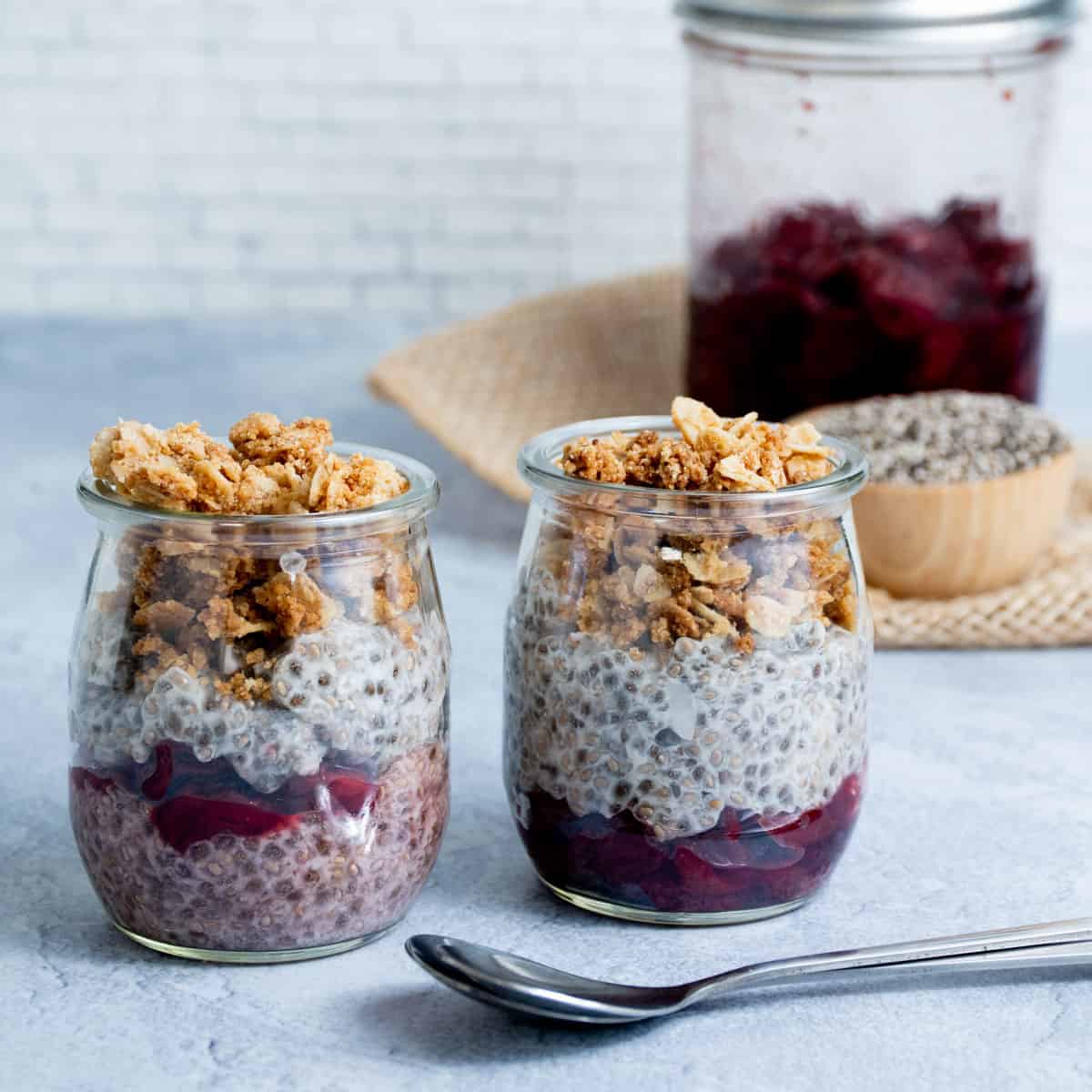
The most important diet skill in Crohn's isn't memorizing a food list — it's knowing which mode you're in, because the two modes want almost opposite things.
If you take one idea from this whole guide, make it this one, because it resolves most of the confusing "but I read that X is healthy!" contradictions: the right Crohn's diet depends entirely on whether you're in a flare or in remission. A food that's perfect for you in remission can be miserable — even harmful — during a flare, and vice versa.
🔥 During a FLARE
- Low-residue, low-fiber, easy-to-digest foods
- Well-cooked, peeled, seedless vegetables
- White rice, plain pasta, peeled potatoes
- Lean protein: chicken, fish, eggs, tofu
- Broths, soups, smooth nut butters
- Small, frequent meals
- Avoid raw veg, skins, seeds, fried food, your known triggers
🌿 During REMISSION
- Gradually reintroduce fiber & variety
- Wide range of cooked & some raw vegetables
- Whole grains, legumes (if tolerated)
- Fatty fish, colorful produce, fermented foods (if tolerated)
- Anti-inflammatory, Mediterranean-style pattern
- Reintroduce one food at a time, watching for reactions
- Keep avoiding your confirmed personal triggers
The reason this matters so much is that during a flare, your intestine is inflamed, swollen, and sometimes ulcerated — it physically cannot handle roughage, and trying to "eat healthy" with lots of raw fiber can worsen pain, bleeding, and diarrhea, and in the presence of a stricture can cause a blockage. In remission, the goal flips: you want to rebuild the nutrition you lost and gently support a diverse gut microbiome, which means gradually widening your diet again rather than staying locked in the restrictive flare diet forever (which can itself lead to malnutrition and an overly narrow microbiome).
03Foods that commonly trigger flare-ups
*Lactose intolerance is common in Crohn's. These are starting points for your own detective work — not a universal ban. Triggers are personal.
Let's be clear about what "trigger" means here. For most people with Crohn's, these foods don't cause the underlying disease or even necessarily reignite the immune inflammation — but they can worsen symptoms (pain, cramping, diarrhea, bloating, urgency) and make a flare feel far worse, especially when the gut is already inflamed. So think of this as a "go easy, especially during flares" list, not a moral "never eat this again" list.
| Trigger category | Examples | Why it can bother a Crohn's gut |
|---|---|---|
| High-fiber roughage (during flares / strictures) | Raw vegetables, vegetable skins, seeds, nuts, popcorn, corn, tough whole grains | Inflamed or narrowed intestine can't process roughage; worsens pain/diarrhea, risk of blockage with strictures |
| Fried & high-fat foods | Deep-fried food, fatty cuts, heavy cream sauces, fast food | Fat malabsorption is common; greasy food worsens diarrhea and cramping |
| Spicy foods | Hot chilies, heavy curry, hot sauce | Irritates an already-sensitive lining; worsens urgency and burning |
| Dairy (if lactose intolerant) | Milk, soft cheese, ice cream | Lactose intolerance is common in Crohn's, especially with ileal disease; causes bloating/diarrhea |
| Alcohol | Beer, spirits, wine | Irritates the lining, worsens diarrhea, dehydrates, can interact with medications |
| Caffeine | Strong coffee, energy drinks | Stimulates the gut, worsens diarrhea and urgency |
| Artificial sweeteners | Sorbitol, mannitol, xylitol (sugar-free gum/candy) | Sugar alcohols are poorly absorbed; cause gas, bloating, and osmotic diarrhea |
| Gas-producing foods | Beans, lentils, cabbage, broccoli, onions, carbonated drinks | Worsen bloating and cramping, especially during flares |
| Ultra-processed foods | Packaged snacks, processed meats, emulsifier-heavy foods | Emulsifiers and additives may negatively affect the gut lining and microbiome (emerging research) |
🔥 Go easy, especially in a flare
- Raw, seedy, skinny, roughage-heavy foods
- Fried and very fatty meals
- Spicy food
- Alcohol & caffeine
- Sugar alcohols / sugar-free sweets
- Big portions of gas-producing foods
- Ultra-processed, additive-heavy food
✅ A few nuances worth knowing
- Triggers are personal — not everyone reacts to the same foods
- Many "trigger" foods are fine in remission
- Lactose intolerance can be tested, not just guessed
- Cooking, peeling & deseeding often makes veg tolerable
- Small portions can turn a trigger into a non-issue
- A food diary reveals your real triggers
04Foods that soothe and support healing
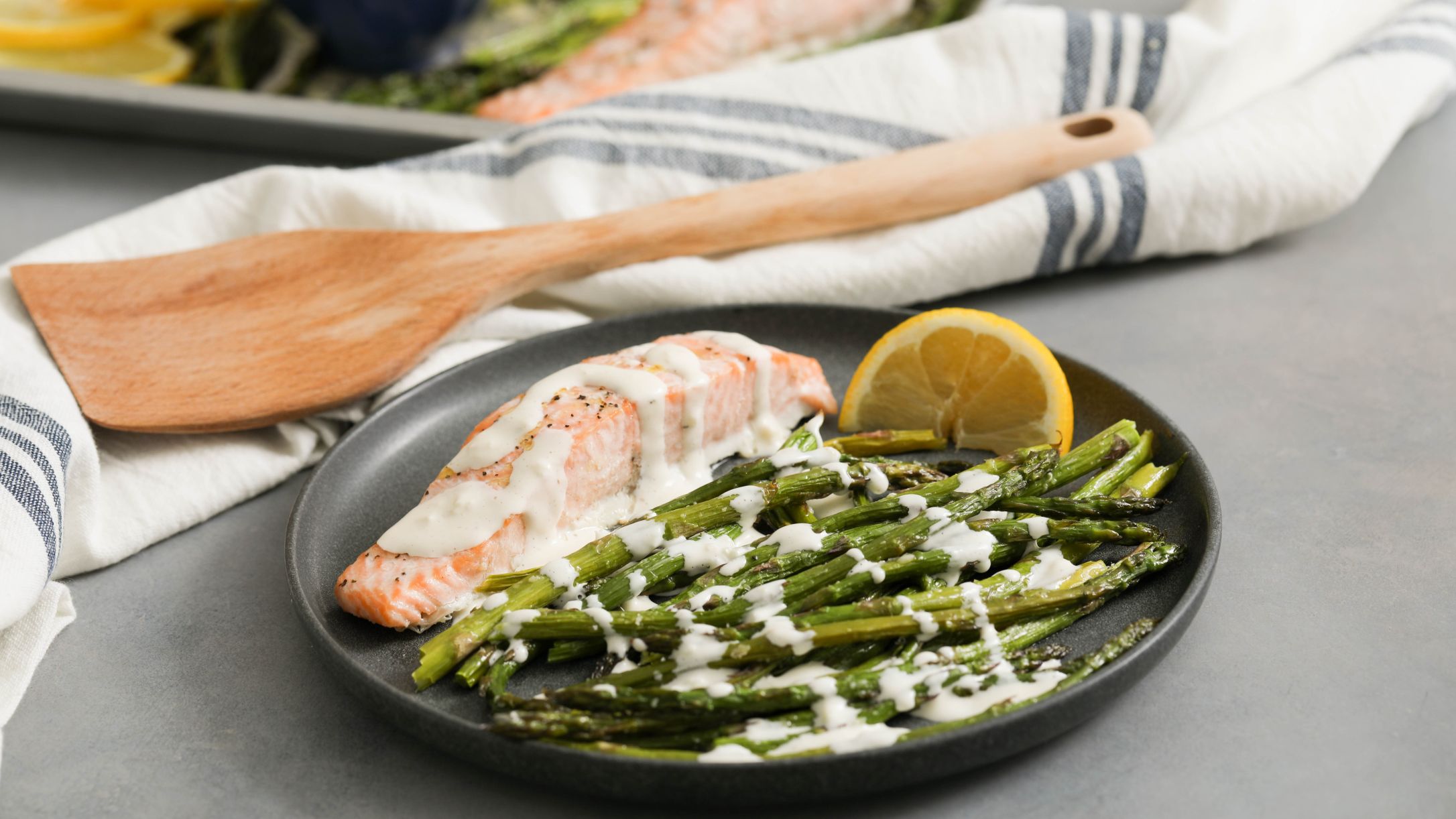
Soothing foods aren't boring foods — they're foods your inflamed gut can actually handle, absorb, and heal from.
Now the other half of the picture. These are the foods that tend to be gentle on an inflamed gut, easy to absorb, and supportive of healing and good nutrition — the foods to build your plate around, especially during a flare, and then expand from during remission.
| Category | Gentle, soothing options | Why they help |
|---|---|---|
| Easy starches | White rice, plain pasta, peeled potatoes, oatmeal (well-cooked), sourdough (if tolerated) | Low-residue energy that's easy to digest when the gut is inflamed |
| Cooked vegetables | Well-cooked carrots, squash, zucchini (peeled/seedless), spinach (cooked), green beans | Nutrients without the roughage; cooking breaks down tough fiber |
| Gentle fruits | Ripe bananas, melon, canned/stewed fruit (no skins/seeds), applesauce | Easy to digest; bananas help replace potassium lost through diarrhea |
| Lean proteins | Chicken, turkey, fish, eggs, tofu, smooth nut butters | Essential for healing tissue and preventing muscle loss; low in irritating fat |
| Healthy fats (moderate) | Olive oil, avocado (small amounts), coconut oil / MCTs | Calorie-dense nutrition; MCTs are absorbed more easily when fat malabsorption is an issue |
| Hydrating foods & fluids | Broths, soups, oral rehydration solutions, water, diluted non-citrus juice | Replace fluid and electrolytes lost through diarrhea |
| Fatty fish (remission) | Salmon, sardines, mackerel (2×/week) | Omega-3s support a balanced inflammatory response |
A few preparation principles matter as much as the ingredients themselves:
- Cook it soft. Steaming, boiling, baking, poaching, and slow-cooking break down fiber and make food far easier to handle than raw or charred.
- Peel and deseed. Removing skins and seeds strips out much of the roughage while keeping the nutrients.
- Blend and purée. Soups, smoothies, and purées do the mechanical work your inflamed gut would otherwise struggle with — a genuinely useful trick during flares.
- Eat small and often. Five or six small meals are usually easier than three large ones, which can overwhelm a sensitive gut.
- Go easy on added fat during flares. A little healthy fat is fine and helps with calories, but heavy, greasy cooking can worsen diarrhea.
Make "soft and easy" effortless. A good blender turns cooked vegetables, lean protein, and broth into gentle, nutrient-dense soups and smoothies your gut can handle even on hard days — the Nutribullet Full-Size Blender Combo handles both single-serve cups and a family pitcher. And for the days you want something warm and comforting without the grease of frying, the Ninja Air Fryer cooks lean protein and vegetables with little to no oil — up to 75% less fat than traditional frying, which matters when fat malabsorption is part of your picture.
05The nutrient gaps Crohn's creates — and how to fill them safely
This is the part most "what to eat" articles skip, and it might be the most important. Because Crohn's inflames the very tissue that absorbs nutrients — and because diarrhea, bleeding, reduced intake during flares, and certain medications all pile on — nutrient deficiencies are extremely common, and they quietly make everything harder: the fatigue, the slow healing, the low mood, the brittle bones. Correcting them is a genuine part of managing the disease, not an optional extra.
The right move is to get your levels checked with bloodwork (ask your GI team about vitamin D, B12, iron/ferritin, zinc, magnesium, folate, and calcium), and correct any gaps under guidance. Here are the big ones and how they're typically supported:
| Nutrient | Why it's often low in Crohn's | How it's commonly supported |
|---|---|---|
| Vitamin D | Malabsorption, low intake, limited sun; low levels linked to more active disease | Supplementation to reach a healthy blood level (often 1,000–5,000 IU/day, individualized) |
| Vitamin B12 | Absorbed in the ileum — the most common Crohn's site; also lost with ileal resection | Oral or, if absorption is poor, injected B12 |
| Iron | Chronic intestinal bleeding + poor absorption → very common iron-deficiency anemia | Oral iron (gentle forms) or IV iron if oral isn't tolerated/absorbed |
| Zinc | Lost through diarrhea and poor absorption; needed for healing & immunity | Supplementation when low |
| Magnesium | Diarrhea and malabsorption deplete it | Gentle forms like glycinate (avoid laxative forms — see below) |
| Folate & calcium | Malabsorption; some medications (e.g., sulfasalazine, methotrexate, steroids) affect them | Supplementation as guided |
Vitamin D — the one to prioritize checking
Vitamin D deficiency is remarkably common in Crohn's, and there's meaningful research linking low vitamin D to more active disease and higher relapse risk. It's also crucial for bone health, which matters because Crohn's (and the steroids often used to treat it) can weaken bones. This is a level worth knowing and keeping in a healthy range.
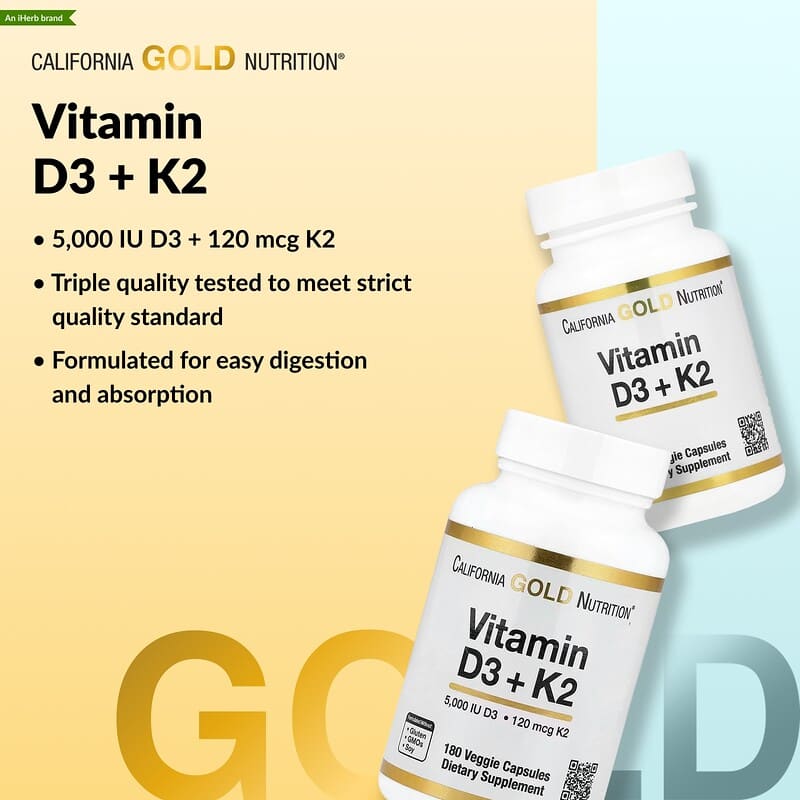
California Gold Nutrition, Vitamin D3 + K2 (MK-7)
5,000 IU vitamin D3 paired with 120 mcg K2 (MK-7) — the K2 helps direct calcium toward bones, which matters given the bone-health concerns in Crohn's and with steroid use. Take with a fat-containing meal for absorption (important, since fat-soluble vitamin absorption can be impaired). Get your level checked first and confirm the right dose with your team — more isn't always better.
Shop Vitamin D3 + K2 on iHerb ➔B12, iron, zinc & magnesium — the rest of the common gaps
B12 & the B vitamins. If your Crohn's involves the ileum (or you've had part of it removed), B12 absorption is often impaired — and B12 deficiency causes fatigue, nerve issues, and anemia. Life Extension BioActive Complete B-Complex provides bioactive forms of the B vitamins, but if your absorption is genuinely compromised, your doctor may recommend B12 by injection instead — oral supplements can't fix a gut that can't absorb. Worth a conversation and a blood test.
Iron — handle with care. Iron-deficiency anemia is very common in Crohn's from chronic intestinal bleeding. NaturesPlus Hema-Plex is a gentle, chelated iron formula with supporting nutrients — but here's the caution: oral iron can irritate an already-inflamed gut and worsen symptoms in some people, and sometimes IV iron is the better route. Don't self-dose iron; get your ferritin checked and let your team decide the form and dose. And for zinc (lost through diarrhea, needed for healing), a bioavailable option like NOW Foods Zinc Picolinate can help when levels are low.
06Gut-healing helpers: the evidence-honest view

The "gut-healing" aisle is loud. Here's what actually has evidence behind it — and what's mostly marketing — so you can spend wisely and safely.
This is where we slow down and get honest, because the "heal your gut" supplement space is full of expensive promises, and people with Crohn's — who are often desperate for relief — are exactly who the marketing targets. Let's sort the shelf into what has real (if modest) evidence, what's reasonable but unproven, and what to be cautious about.
🟢 The strongest candidate: omega-3 fatty acids
Omega-3s (EPA and DHA) from fatty fish have genuine anti-inflammatory properties, and there's a reasonable — though not definitive — body of research suggesting they may help support a balanced inflammatory response in IBD. The evidence isn't strong enough to call them a treatment, but eating fatty fish twice a week (or supplementing) is a sensible, generally safe, heart-healthy addition that many gastroenterologists are happy with.
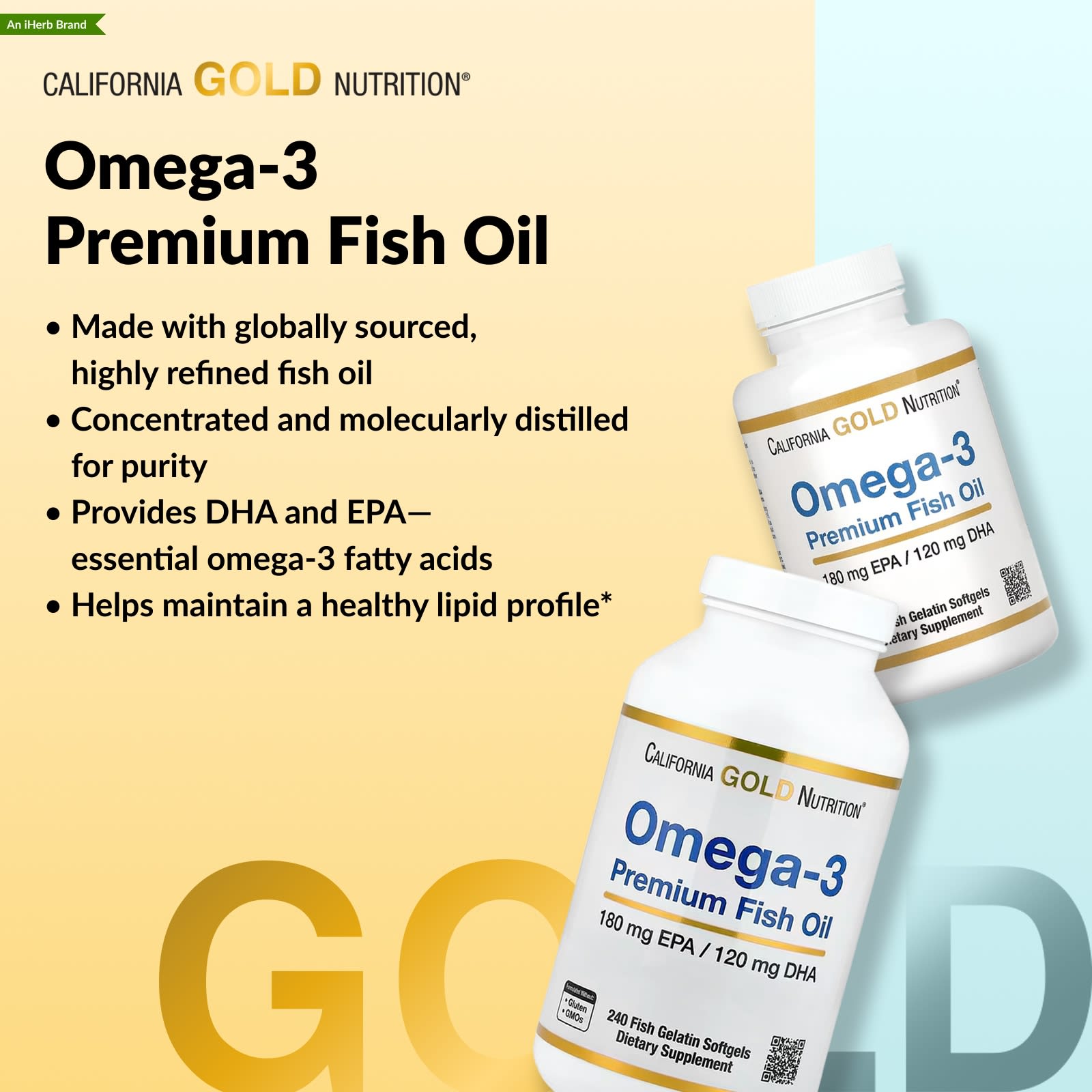
California Gold Nutrition, Omega-3 Premium Fish Oil
360 mg EPA + 240 mg DHA per serving in clean triglyceride form — a straightforward way to get omega-3s on the days you're not eating fatty fish. For a higher-potency once-daily option, Omega 800 Ultra-Concentrated delivers 480 EPA / 320 DHA. Take with food. A gentle, evidence-friendly addition — not a replacement for your IBD medication.
Shop Omega-3 on iHerb ➔🟡 Reasonable but unproven: enzymes, MCTs, collagen, manuka
- Digestive enzymes. If fat or protein malabsorption is part of your picture, a broad-spectrum enzyme blend like NOW Foods Super Enzymes (with pancreatin, betaine HCl, ox bile, papain, and bromelain) may help some people digest meals more comfortably. Evidence in Crohn's specifically is limited, so think of it as a "try it and see if it helps you" option, ideally discussed with your dietitian.
- MCTs / coconut oil. Medium-chain triglycerides are absorbed more easily than other fats, which can be useful when fat malabsorption is causing steatorrhea (greasy stools) and calorie loss. A small amount of organic coconut oil in cooking can be a gentle way to add easily-absorbed calories.
- Collagen / bone broth. Very popular in "gut-healing" circles, and the idea of supporting the gut lining is appealing — but the actual clinical evidence in Crohn's is thin. CGN CollagenUP (marine collagen + hyaluronic acid + vitamin C) is a reasonable, low-risk option if you want to try it, but don't expect it to heal inflammation on its own.
- Manuka honey. Has interesting antimicrobial and soothing properties in lab studies, and a small amount can be a gentle, natural way to add calories and flavor. CGN Manuka Honey (MGO 263+) is a quality option — but it's still sugar, so use it modestly, especially if sugars tend to worsen your symptoms.
🔴 Be cautious: probiotics, fiber supplements, and herbal products
Herbal "gut remedies" — proceed with care. Resources like The Herbal Remedy Companion can teach you how herbs combine and absorb, and some herbs (turmeric/curcumin, for instance) have genuine anti-inflammatory research behind them. But with Crohn's, two cautions matter: many herbs can interact with your IBD medications (including immunosuppressants and steroids), and "natural" does not mean "safe for an inflamed, immune-dysregulated gut." Treat any herbal approach as something to run past your pharmacist or GI team first — especially if you're on biologics or immunomodulators.
07Practical tools & daily rhythm that reduce flares
Beyond the plate itself, a few daily-habit levers genuinely influence how your Crohn's behaves — and they're worth treating as part of your "diet" in the broadest sense.
Stress and sleep are not side issues
Stress doesn't cause Crohn's, but it's a well-recognized trigger for flares and for worsening symptoms — the gut-brain axis is very real in IBD. And poor sleep amplifies inflammation and pain sensitivity. So protecting your stress levels and your sleep is a legitimate part of managing your disease, not a luxury.

WHOOP 5.0 — Stress, Sleep & Recovery, 24/7
Because stress and sleep are genuine flare triggers, it helps to actually see them rather than guess. WHOOP tracks sleep stages, HRV, resting heart rate, and a daily Stress Monitor and Recovery score — so you can notice when your load is climbing and your sleep is slipping, and act on it (rest, a calming evening, an early night) before it tips into a flare. It's not a treatment; it's an honest mirror for the lifestyle factors that influence your gut.
See WHOOP 5.0 on Amazon ➔And small, repeatable calming rituals help take the edge off a stressed nervous system — a caffeine-free wind-down cup in the evening, for instance, which doubles as a cue to your body that the day is over:
A gentle evening wind-down. Yogi Tea Stress Relief (Honey Lavender) and Yogi Tea Bedtime® are soothing, caffeine-free blends (chamomile, lavender, passionflower) for the evenings when stress or a busy mind won't settle. For the wired-but-tired days, NOW Foods L-Theanine supports calm focus without sedation. None of these treat Crohn's — but lowering your stress load is a real, evidence-friendly part of keeping flares at bay.
Hydration — quietly critical
With diarrhea a common feature of Crohn's, dehydration and electrolyte loss are a genuine risk, especially during flares. Keeping fluids up — water, broths, oral rehydration solutions — is simple but important, and having a visible bottle nearby makes it automatic rather than an afterthought. A tracked 1-gallon water bottle on your desk or counter is a low-effort way to make sure you're actually drinking enough on the days you're focused on everything else.
Gentle movement
Regular, moderate movement supports gut motility, reduces stress, protects bone density (important with steroid use), and helps mood — all relevant to Crohn's. The key word is gentle and consistent, especially during flares, when rest may be what your body needs. A simple non-slip yoga mat at home makes a short walk, stretch, or breathing session easy on the days a gym feels like too much.
⚡ Make Sure You're Actually Getting Enough
Because Crohn's can reduce intake and absorption, unintended weight loss and under-eating are real risks — especially during flares. Use our free calculator to set a baseline for the calories and macros your body needs to maintain weight and heal, then work with your dietitian to adjust for what your gut can handle.
Try Ileany Calorie Calculator Now 🎯08Build your personal Crohn's food map
Because triggers are so individual, the single most valuable long-term tool you can build is your own personal map of what your gut tolerates and what it doesn't — in each phase. Here's a simple, sustainable way to do it.
- Keep a food-and-symptom diary for a few weeks. Note what you ate, roughly how much, and any symptoms (pain, bloating, diarrhea, urgency, bleeding) over the next 6–24 hours. Patterns emerge surprisingly fast.
- Distinguish your phase. Tag each entry as "flare" or "remission." A food that bothered you during a flare may be perfectly fine in remission — you don't want to ban it forever based on a bad week.
- Eliminate and reintroduce thoughtfully. If you suspect a trigger, remove it for a couple of weeks, then reintroduce it alone and watch for a reaction. This is far more reliable than guessing. (Do structured elimination diets with a dietitian, to avoid nutritional gaps.)
- Get your nutrients checked. Ask your GI team for bloodwork on vitamin D, B12, iron/ferritin, zinc, magnesium, folate, and calcium — and correct any gaps under guidance.
- Build your "safe foods" list and your "caution" list. Over time you'll have a personal shortlist of reliable, soothing foods for flares, and a known set of triggers to limit. That list is worth more than any generic diet plan.
- Partner with an IBD dietitian. This is the highest-leverage move. A registered dietitian who specializes in IBD can help you do all of the above safely, keep you nourished, and adapt as your disease and treatments change.
A reference for the curious. If you enjoy understanding the "why" behind foods, The Encyclopedia of Power Foods maps 300+ foods to their properties (modern nutrition plus Traditional Chinese Medicine) — a useful lens for thinking about gentle, anti-inflammatory, gut-supportive choices. Use it as inspiration and education, then filter everything through your personal tolerance and your dietitian's guidance.
The honest bottom line
There is no Crohn's diet, and there is no food or supplement that will cure this disease — and you didn't cause it, so you don't owe anyone a perfect way of eating to "fix" it. Let that guilt go.
What there is is a genuinely powerful set of tools: eating the right foods for the phase you're in (soft and low-residue in a flare, gradually broader in remission), limiting your personal triggers, correcting the nutrient gaps the disease quietly creates (vitamin D, B12, iron, zinc, magnesium), being appropriately skeptical of the "gut-healing" hype, and supporting the lifestyle levers — stress, sleep, hydration, gentle movement — that influence how often and how hard you flare.
Do all of that alongside your medical treatment, never instead of it, and ideally with an IBD-specialist dietitian in your corner. That combination — not a miracle protocol — is what helps people with Crohn's live full, active, genuinely good lives between flares.
You're managing something real and demanding. Be as patient and kind with yourself and your gut as you would be with anyone else learning to live well with a chronic condition. One tolerated meal, one corrected deficiency, one good night's sleep at a time — that's how this gets better.
Frequently asked questions
Can diet cure Crohn's disease?
No. Crohn's is a chronic immune-mediated inflammatory condition, and no diet cures it. But diet is a powerful tool for managing symptoms, reducing flare severity and frequency, supporting healing in remission, and preventing the nutrient deficiencies Crohn's commonly causes. Food works alongside your medical treatment — never as a replacement for it.
What foods commonly trigger a Crohn's flare-up?
Common triggers include high-fiber raw vegetables and tough skins/seeds during active disease, fatty and fried foods, spicy foods, dairy (lactose intolerance is common), alcohol, caffeine, artificial sweeteners, gas-producing foods like beans and cabbage, and ultra-processed foods. Triggers are highly individual, which is why a food diary matters more than any universal "avoid" list.
What should I eat during a Crohn's flare?
Most people do best with low-residue, easy-to-digest foods: white rice, plain pasta, peeled potatoes, ripe bananas, well-cooked seedless vegetables, lean proteins like chicken, fish, eggs, and tofu, plus broths and soups and smooth nut butters. Eat small, frequent meals, stay hydrated, and avoid raw high-fiber foods, fried foods, and your known personal triggers.
What nutrients are people with Crohn's commonly deficient in?
Because Crohn's causes inflammation, malabsorption, diarrhea, and sometimes surgical removal of parts of the intestine, common deficiencies include vitamin D, vitamin B12 (especially with ileal disease or resection), iron (from bleeding and poor absorption), zinc, magnesium, folate, and calcium. These should be checked with bloodwork and corrected under medical guidance.
Are probiotics safe for Crohn's disease?
The evidence for probiotics in Crohn's is mixed and strain-specific, and they are not a proven treatment for inducing or maintaining remission in Crohn's. They should be used cautiously and only with your gastroenterologist's approval — especially during severe flares or if you are immunosuppressed, where certain live cultures can pose a risk.
Should I avoid fiber with Crohn's?
It depends on the phase. During an active flare or if you have intestinal strictures (narrowing), high-fiber and roughage foods can worsen symptoms or even cause a blockage, so a low-residue approach is usually advised. During remission, gradually reintroducing soluble fiber can be beneficial. Never make major fiber changes without guidance if you have known strictures.
References & further reading
- American Gastroenterological Association (AGA) — guidelines on the management of Crohn's disease and nutrition in IBD.
- European Crohn's and Colitis Organisation (ECCO) — guidelines on diet, nutrition, and micronutrients in IBD.
- Crohn's & Colitis Foundation — patient guidance on diet, flares, and nutrition.
- Reviews on diet and Crohn's disease: the role of fiber, fat, emulsifiers, and ultra-processed foods.
- Omega-3 fatty acids and inflammatory bowel disease: systematic reviews and meta-analyses.
- Micronutrient deficiencies in IBD: vitamin D, B12, iron, zinc, magnesium — prevalence and management.
- Probiotics in Crohn's disease: Cochrane and society-position reviews (mixed, strain-specific evidence).
- Stress, sleep, and the gut-brain axis in IBD flare risk.
- Low-residue / low-fiber dietary approaches during active disease and with strictures.
Comments
Post a Comment