
Insomnia Treatments That Actually Work in 2026: The Ultimate Evidence-Based Protocol
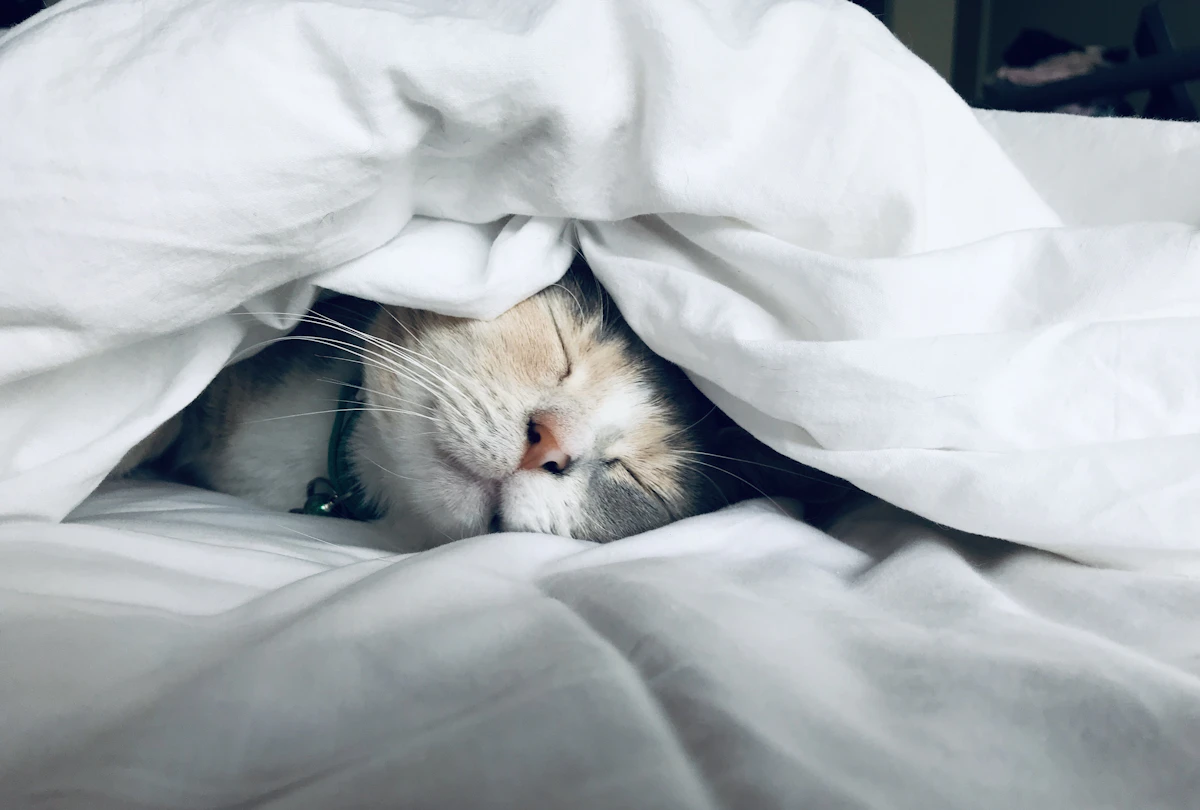
Resolving chronic insomnia requires aligning central nervous system biology, metabolic stability, and behavioral habits.
Lying awake at 2:47 AM staring at the clock while performing mental arithmetic—*"If I fall asleep right now, I’ll get four hours and twelve minutes of sleep"*—is a deeply frustrating experience. The harder you try to force your brain to sleep, the more hyper-alert your nervous system becomes.
From the perspective of exercise physiology and clinical nutrition, understand this foundational truth: Sleep is not an active switch you turn on; it is an involuntary physiological state that emerges when central nervous system arousal drops and homeostatic sleep pressure reaches peak thresholds.
In 2026, sleep medicine offers proven protocols. This comprehensive guide cuts through social media trends and quick fixes to deliver an exhaustive roadmap covering neurobiology, exercise science, mineral biochemistry, and environmental ergonomics.
1. The Neurobiology of Sleep: Why You Can't Sleep
Human sleep architecture is governed by two interacting biological systems (Daan & Borbély Two-Process Model):
- Process S (Homeostatic Sleep Pressure): The gradual accumulation of adenosine in the brain throughout waking hours. The longer you stay awake, the higher your drive to sleep.
- Process C (Circadian Rhythm): The suprachiasmatic nucleus (SCN) in your brain regulating core body temperature, cortisol, and melatonin release based on light exposure.
When insomnia strikes, it is almost always caused by a mismatch between Process S and Process C, driven by the Spielman 3P Model:
| 3P Category | Physiological Mechanism | Actionable Target |
|---|---|---|
| Predisposing | Genetics, elevated baseline sympathetic nervous system tone. | Manage via daily autonomic modulation & breathwork. |
| Precipitating | Acute stressors: career change, grief, overtraining, illness. | Short-term support; prevent progression. |
| Perpetuating | Maladaptive habits: staying in bed awake, phone scrolling, erratic sleep times. | Primary Target: Eliminate via CBT-I protocols. |
2. Exercise Physiology: Training Your Nervous System for Sleep

Physical activity accelerates adenosine buildup in the brain, driving deeper Slow-Wave Sleep (SWS).
Physical activity is one of the most potent non-pharmacological sleep aids available. A 2024 meta-analysis of 34 randomized controlled trials confirmed that regular aerobic movement reduces sleep latency by ~13 minutes and increases Slow-Wave Deep Sleep (SWS) duration by up to 20%.
Physical movement works through three specific biological mechanisms:
- Adenosine Accumulation: Muscle contractions burn ATP (adenosine triphosphate), breaking it down into adenosine. Higher brain adenosine creates intense, natural sleep pressure.
- Autonomic Parasympathetic Rebound: Consistent exercise increases Heart Rate Variability (HRV) and trains your vagus nerve to down-regulate heart rate rapidly at night.
- Thermal Regulation: Exercise raises core body temperature. The subsequent post-workout cooling phase 2–4 hours later triggers natural drowsiness.
3. CBT-I: The Medical Gold Standard Treatment
Cognitive Behavioral Therapy for Insomnia (CBT-I) is recommended as the #1 first-line medical intervention by every primary medical authority worldwide. Unlike sleeping pills, which force sedation without restorative REM sleep, CBT-I achieves an 80% long-term success rate.
CBT-I systematically restructures your sleep habits across five key pillars:
- Stimulus Control Therapy: Rewiring the brain to view the bed purely as a trigger for sleep. If awake for 20 minutes, you MUST leave the room.
- Sleep Restriction Therapy (SRT): Consolidating sleep efficiency by matching total bed time strictly to actual sleep hours.
- Cognitive Restructuring: Re-framing irrational sleep fears ("If I don't sleep 8 hours, my performance tomorrow is ruined").
- Relaxation Training: Lowering sympathetic arousal using 4-7-8 diaphragmatic breathing or progressive muscle relaxation.
- Sleep Hygiene Optimization: Systematizing ambient light, temperature, and caffeine cutoffs.
INSOMNIAC: The Ultimate Sleep Therapy
A structured digital guide walking you through sleep restriction protocols, stimulus control exercises, and cognitive restructuring techniques to fix chronic sleep issues.
Explore the CBT-I Guide ➔4. Nutritional Biochemistry & Mineral Supplementation

Nutritional deficiencies are a frequent hidden trigger for chronic nighttime wakefulness. Over 50% of adults consume insufficient magnesium, a critical mineral required for 300+ enzymatic processes in the body.
Magnesium Biochemistry: Glycinate vs. Other Forms
Magnesium activates GABA-A receptors, lowers systemic inflammation, and suppresses nocturnal cortisol. However, the chelated molecular form matters immensely:
| Form | Absorption | Biological Target | Digestive Safety |
|---|---|---|---|
| Glycinate / Bisglycinate | ⭐⭐⭐⭐⭐ Highest | Central nervous system & muscle relaxation. | ✅ Ultra-gentle |
| L-Threonate | ⭐⭐⭐⭐⭐ Highest (Brain) | Crosses blood-brain barrier; deep SWS sleep. | ✅ Very gentle |
| Citrate | ⭐⭐⭐ Moderate | Systemic magnesium + digestive motility. | ⚠️ Mild laxative at high doses |
| Oxide | ⭐ Low (~4%) | Poorly absorbed; avoid for sleep optimization. | ❌ Causes gut distress |
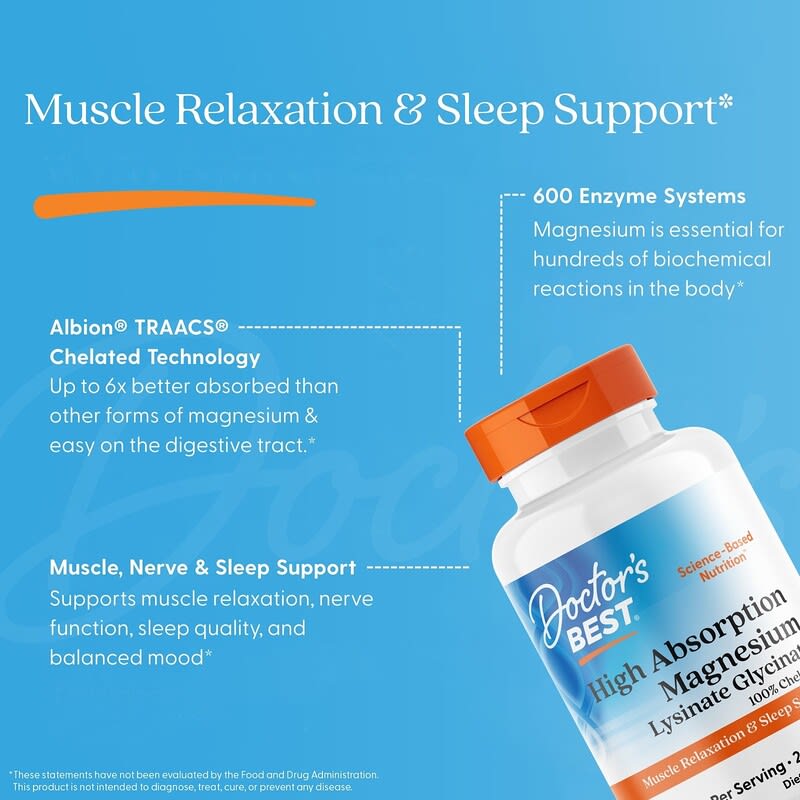
Doctor's Best, High Absorption Magnesium Glycinate
Features 100% chelated Albion® TRAACS® magnesium bisglycinate bound to glycine. Highly bioavailable and gentle on the gut to support deep muscular relaxation.
Check Price on iHerb ➔The Non-Sedative Natural Stack
- L-Theanine (200 mg): Promotes alpha brain waves (8–12 Hz) associated with effortless mental calm without causing morning grogginess.
- Ashwagandha KSM-66 (600 mg): Suppresses chronic serum cortisol elevation for stressed individuals.
- Micro-Dosed Melatonin (0.5 mg – 3 mg): Acts purely as a circadian timing signal rather than a heavy sedative. High drugstore doses (10 mg) disrupt normal receptor sensitivity.
Ruminating over tomorrow's to-do list at 11 PM? Taking 200 mg of NOW Foods L-Theanine 60 minutes before bed boosts alpha-wave relaxation to quiet racing thoughts without grogginess.
⚡ Want to Optimize Your Daily Calories & Macronutrients?
Nutritional gaps directly affect nighttime recovery and daytime focus. Use our free, intelligent calculator to get a custom 7-day protocol tailored to your weight, activity level, and goals.
Try Ileany Calorie Calculator Now 🎯5. Sleep Ergonomics & Environment Control

Biomechanical distress creates silent micro-arousals during the night that shift you out of deep sleep without your conscious awareness. Cervical spine misalignment strains neck musculature and elevates sympathetic tone.
Waking up with neck stiffness or tossing continuously? Restoring proper cervical posture is essential. This Cooling Cervical Memory Foam Ergonomic Pillow supports your neck’s natural alignment while gel layers keep surface temperatures cool.
6. Medical Landscape: Modern Treatments vs. Older Drugs
Pharmaceutical sleep medicine has made major advancements in recent years. Sleep specialists now avoid prescribing older Z-drugs (Ambien, Lunesta) or Benzodiazepines due to addiction risks, sleep architecture disruption, and tolerance buildup.
7. Treating Root Causes: Blood Sugar & Digestion

Waking up consistently at 3 AM with a racing pulse is frequently a sign of a nighttime hypoglycemic drop. When blood sugar drops too low overnight, your adrenal glands release a surge of cortisol and epinephrine to liberate glucose—waking you up abruptly.
The Reflux Summit Resource Guide
An expert-led series addressing root causes of nighttime acid reflux, GERD, and silent digestion issues that secretly disrupt sleep quality.
Explore Reflux Solutions ➔Metabolic Stability Secret: Consuming balanced evening meals that stabilize glucose prevents nocturnal cortisol spikes. Incorporating whole foods detailed in The Encyclopedia of Power Foods helps create anti-inflammatory dinners that promote restful sleep.
8. The 24-Hour Circadian Action Plan
| Time of Day | Actionable Sleep Protocol |
|---|---|
| Morning (7:00 AM) | Wake at a fixed time. Get 10–15 minutes of direct sunlight outdoors to set your circadian clock. |
| Afternoon (2:00 PM) | Strict caffeine cutoff. Complete your primary exercise or cardio session. |
| Evening (8:00 PM) | Eat a balanced dinner with complex carbs. Avoid heavy alcohol intake. |
| Bedtime (10:00 PM) | Take 300mg Magnesium Glycinate + 200mg L-Theanine. Put all digital screens away. Keep room at 66°F (19°C). |
The Bottom Line
Chronic insomnia is a solvable biological puzzle. By combining Cognitive Behavioral Therapy (CBT-I), physical training, bioavailable Magnesium Glycinate, and proper sleep ergonomics, you can permanently restore deep, restorative sleep.
Start tonight by setting a fixed wake-up time, putting digital screens away 60 minutes before bed, and giving your nervous system the calm environment it needs!
Frequently Asked Questions
1. What is the single fastest way to break a 3 AM awake cycle tonight?
Apply the 20-minute rule immediately. Get out of bed, move to a dimly lit room, and engage in a non-stimulating activity like light stretching or reading a paper book. Do not stay in bed feeling anxious, as this reinforces conditioned arousal.
2. Can high-intensity athletic training cause insomnia?
Yes. High-intensity resistance or cardiovascular exercise elevates core body temperature and sympathetic adrenal activity (adrenaline and cortisol). Finish heavy workouts at least 4 hours before bedtime to allow core cooling.
3. Why does magnesium glycinate work better than sleeping pills for long-term health?
Magnesium Glycinate binds directly to GABA-A receptors and relaxes skeletal muscles without altering natural sleep architecture or causing physical tolerance and rebound insomnia.
4. Is CBT-I effective if my insomnia is caused by high work stress?
Yes. Clinical trials confirm CBT-I has an 80% success rate because it restructures catastrophic sleep thoughts and eliminates perpetuating behavioral cycles regardless of external stressors.
5. How does blood sugar instability trigger midnight awakenings?
A late-night hypoglycemic dip forces the adrenal glands to release cortisol and epinephrine to elevate blood glucose, immediately triggering sudden wakefulness and heart racing.
6. Can I combine Melatonin, Magnesium, and L-Theanine safely?
Yes. Combining 200mg L-Theanine with 200-400mg Magnesium Glycinate and low-dose melatonin creates a synergistic non-sedative stack that quiets racing mental thoughts while physically relaxing muscle tissue.
7. What is the harm in taking OTC allergy meds (like Benadryl) every night for sleep?
Chronic use of OTC anticholinergic antihistamines degrades sleep architecture and is linked in clinical research to long-term cognitive impairment and memory decline.
8. How does cervical spine posture affect sleep architecture?
Cervical spine strain causes micro-arousals during the night that shift you out of Slow-Wave Deep Sleep into light sleep stages, leaving you exhausted despite spending 8 hours in bed.
Comments
Post a Comment