
Magnesium for Sleep: Best Form, Dosage & Timing (Glycinate vs. Citrate vs. Threonate)

Selecting the correct molecular form of magnesium is essential for optimizing central nervous system relaxation.
Magnesium has taken social media by storm as the ultimate "sleep mineral." Millions of posts tout its ability to quiet a racing mind, eliminate nighttime restlessness, and deliver eight hours of uninterrupted deep sleep.
From the dual perspective of clinical nutrition and sports exercise physiology, the science behind magnesium is genuinely legitimate. Magnesium is an essential macromineral required for more than 300 enzymatic reactions in the human body—many of which govern autonomic nervous system tone, muscle contraction dynamics, and sleep architecture.
However, most people make a critical mistake: they treat all magnesium forms as identical. Walk into any pharmacy or browse online, and you will encounter magnesium glycinate, citrate, L-threonate, oxide, taurate, and malate. Choosing the wrong form can result in poor absorption, severe digestive distress, or zero impact on sleep quality.
This master guide breaks down the precise biochemical mechanisms, compares every major form, provides clinical dosing and timing rules, and highlights top evidence-backed supplements to restore your sleep naturally.
1. The Four Biological Pathways of Magnesium for Sleep

Magnesium acts at cellular receptors to transition your nervous system into parasympathetic rest mode.
Magnesium does not act as a blunt force sedative like prescription sleeping pills. Instead, it systematically optimizes your body's natural sleep machinery through four distinct biological pathways:
- GABA-A Receptor Activation: Magnesium binds directly to gamma-aminobutyric acid (GABA) receptors in the brain. GABA is the primary inhibitory neurotransmitter that quiets central nervous system firing, effectively turning down mental chatter.
- HPA Axis Cortisol Down-Regulation: Chronic stress maintains an elevated Hypothalamic-Pituitary-Adrenal (HPA) axis, spiking cortisol at 11 PM. Magnesium dampens excess adrenal stress signaling, lowering nighttime plasma cortisol.
- Serotonin-to-Melatonin Conversion: Magnesium serves as an essential enzymatic cofactor for N-acetyltransferase, the enzyme responsible for converting serotonin into endogenous melatonin in the pineal gland.
- Skeletal Muscle Relaxation (Calcium Antagonism): Muscle tissue contracts when calcium floods intracellular space. Magnesium acts as a natural physiological calcium channel blocker, forcing muscle fibers to relax and preventing 2 AM leg twitches or jaw clenching.
2. The Master Comparison: Which Magnesium Form Works Best?
The organic molecule bound to magnesium determines its bioavailability, tissue target, and intestinal tolerance:
| Magnesium Form | Bioavailability | Biological Target | Sleep Efficacy | Gut Comfort |
|---|---|---|---|---|
| Glycinate (Bisglycinate) | ⭐⭐⭐⭐⭐ ~80% | Central Nervous System & Muscles | ⭐⭐⭐⭐⭐ Highest Overall | ✅ Ultra-Gentle |
| L-Threonate (Magtein®) | ⭐⭐⭐⭐⭐ Brain-Targeted | Crosses Blood-Brain Barrier | ⭐⭐⭐⭐⭐ Deep Sleep (N3) | ✅ Very Gentle |
| Taurate | ⭐⭐⭐⭐ ~75% | Cardiovascular & GABA Receptors | ⭐⭐⭐⭐ Anxious Sleepers | ✅ Gentle |
| Citrate | ⭐⭐⭐ ~60% | Systemic Repletion + Intestines | ⭐⭐⭐ Moderate | ⚠️ Laxative at >300mg |
| Oxide | ⭐ ~4% (Terrible) | Poorly Absorbed GI Tract | ⭐ Ineffective | ❌ Causes Diarrhea |
3. Deep Dive into the Top Sleep Magnesiums
1. Magnesium Glycinate: The Undisputed Sleep King
Magnesium Glycinate (bisglycinate) is magnesium chelated to two molecules of glycine. Glycine is an inhibitory amino acid that independently lowers core body temperature (a required physiological trigger for sleep onset) and improves subjective sleep quality.
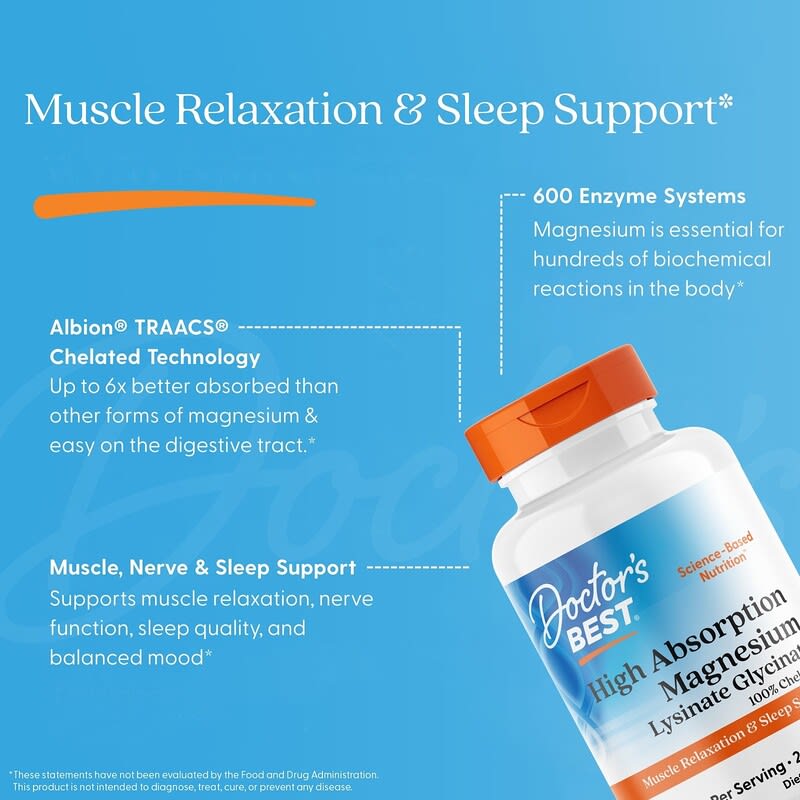
Doctor's Best, High Absorption Magnesium Glycinate
Features 100% chelated Albion® TRAACS® magnesium bisglycinate. Delivers maximum systemic absorption and tissue relaxation with zero stomach irritation.
Check Availability on iHerb ➔Sensitive Digestion Alternative: For individuals needing a straightforward, single-ingredient formula without extra coatings, NOW Foods Magnesium Glycinate provides clean, third-party-tested chelated magnesium that supports muscle recovery and autonomic calm.
2. Magnesium L-Threonate: The Brain & Deep Sleep Specialist
Developed by neuroscientists at MIT, Magnesium L-Threonate (Magtein®) is the only form engineered to cross the blood-brain barrier effectively. A 2025 double-blind trial demonstrated that L-threonate specifically increases duration spent in N3 Slow-Wave Deep Sleep—the phase responsible for physical repair and memory consolidation.
3. Magnesium Citrate: The Budget Option (With a Warning)
Citrate offers decent bioavailability (~60%) at an affordable price point. However, citric acid draws water into the intestinal lumen. At doses exceeding 300 mg, it acts as an osmotic laxative.
On a budget or dealing with occasional constipation? Mixing half a scoop of Natural Factors Stress-Relax Magnesium Citrate Powder into warm water 30 minutes before bed creates a soothing wind-down tea ritual while easing digestive strain.
4. Magnesium Oxide: Why You Must Avoid It for Sleep
Magnesium Oxide has an abysmal absorption rate of approximately 4%. A 400mg tablet delivers only ~16mg of usable magnesium to your cells; the remaining 384mg stays in the gut, triggering cramps and diarrhea. Avoid cheap multi-mineral supplements that rely on oxide as their primary source.
Enzymatic Co-Factor Upgrade: To ensure your body actually utilizes the magnesium you consume, pair it with Vitamin B6. Source Naturals Ultra-Mag™ combines 420mg of bioavailable magnesium with 30mg of Vitamin B6 to optimize intracellular ion transport.
⚡ Want to Optimize Your Daily Calories & Macronutrients?
Nutritional gaps and macro imbalances directly impair nighttime recovery. Use our free, intelligent calculator to get a custom 7-day protocol tailored to your weight, activity level, and athletic goals.
Try Ileany Calorie Calculator Now 🎯4. Clinical Dosing & Optimal Timing Protocols

Building a consistent evening wind-down ritual aligns circadian cues with supplement absorption.
Timing your magnesium intake properly ensures peak plasma levels coincide with your target bedtime:
| Time Window | Target Supplement | Physiological Goal |
|---|---|---|
| Dinner (6:00 – 7:00 PM) | 200mg Magnesium Glycinate | Initiate systemic muscle & arterial relaxation. |
| 90 Mins Before Bed | 144mg Magnesium L-Threonate | Allow time to cross blood-brain barrier. |
| 60 Mins Before Bed | 200mg L-Theanine + Herbal Tea | Elevate alpha brain waves; quiet mental chatter. |
Crucial Supplement Interaction Rules
- Separate from Calcium & Zinc: High-dose calcium and zinc compete for the exact same divalent cation transporters in the gut. Separate by at least 2 hours.
- Avoid High-Phytate Meals: Raw legumes and un-soaked grains contain phytic acid, which binds magnesium ions and prevents absorption.
- Take With a Small Snack: Consuming magnesium with a light carbohydrate/protein snack prevents mild nausea on sensitive stomachs.
5. Advanced Non-Sedative Sleep Stacks

Whole nutrient-dense foods combined with targeted supplementation restore cellular magnesium stores.
For individuals dealing with high occupational stress or athletic overtraining, pairing magnesium with synergistic adaptogens yields superior results:

NutraBio, KSM-66® Ashwagandha (600 mg)
Features clinically studied KSM-66® standardized root extract. Reduces evening cortisol spikes by up to 23% to support deep autonomic recovery.
Shop KSM-66 on iHerb ➔Suffering from late-night mental rumination? Stacking your magnesium with NOW Foods L-Theanine (200 mg) stimulates relaxed alpha brain waves (8–12 Hz) to calm racing thoughts naturally without morning sedation.
6. Special Health Considerations
1. Gastrointestinal Sensitivity (Crohn's, IBS, or IBD)
Oral magnesium can trigger loose stools in active gut inflammation. Stick strictly to Magnesium Glycinate at lower doses (100–200mg), or utilize transdermal Epsom salt baths (2 cups magnesium sulfate soaked in warm water for 20 minutes) to bypass the digestive tract entirely.
2. Type 2 Diabetes & Insulin Resistance
Up to 77% of type 2 diabetic patients present with clinical magnesium deficiency. Because chronic nighttime wakefulness worsens insulin resistance by 25–30%, supplementing with Magnesium Glycinate improves both sleep architecture and glycemic control.
3. Chronic Stress & High Athletic Load
Hard training sessions lose magnesium through sweat and muscle turnover. Replenishing 300–400mg of elemental magnesium nightly accelerates muscle repair and elevates nocturnal Heart Rate Variability (HRV).
7. Common Mistakes That Sabotage Magnesium Efficacy
| Common Mistake | Physiological Pitfall | Corrective Action |
|---|---|---|
| Buying Cheap Oxide | 4% absorption; causes diarrhea rather than sleep. | Switch to 100% chelated Bisglycinate or L-Threonate. |
| Taking It Right at Bedtime | Requires 60 minutes for gut transport and systemic distribution. | Take 60 to 90 minutes before turning off lights. |
| Taking With Evening Coffee | Tannins and caffeine impair intestinal mineral binding. | Take with water or a small light snack. |
| Expecting Instant Results | Cellular repletion requires consistent blood levels. | Supplement daily for at least 2 to 4 consecutive weeks. |
The Bottom Line
Magnesium is not a hype-driven internet fad—it is an essential, science-backed mineral required for autonomic nervous system relaxation and deep sleep stage maintenance.
By selecting Magnesium Glycinate (200–400mg) or Magnesium L-Threonate, taking it 60–90 minutes before bed, and pairing it with clean sleep hygiene habits, you provide your body with the exact biochemistry needed to wake up energized every single morning!
Frequently Asked Questions
1. How much elemental magnesium should I take for sleep?
The clinically supported dosage for sleep optimization is 200 mg to 400 mg of elemental magnesium per day from high-quality chelated supplements.
2. Which magnesium form is best for falling asleep versus deep sleep?
Magnesium Glycinate is superior for falling asleep by reducing muscular tension and central nervous system anxiety. Magnesium L-Threonate is superior for increasing N3 Slow-Wave Deep Sleep because it crosses the blood-brain barrier.
3. Why is Magnesium Oxide ineffective for sleep?
Magnesium Oxide has an intestinal absorption rate of roughly 4%. Most passes unabsorbed through the GI tract, causing osmotic diarrhea rather than neurological relaxation.
4. Can I take magnesium with my evening calcium supplement?
No. Calcium and magnesium compete directly for intestinal absorption transporters. Separate calcium and magnesium intake by at least 2 hours.
5. Does magnesium cause morning grogginess or dependence?
No. Magnesium does not force central nervous system sedation like pharmaceutical hypnotics. It supports natural endogenous GABA pathways and does not cause a morning hangover or tolerance.
6. How does Vitamin B6 enhance magnesium efficiency?
Vitamin B6 (pyridoxine) acts as an essential enzymatic cofactor that facilitates the cellular influx and transport of magnesium ions into neural and muscular tissue.
7. Is transdermal magnesium (Epsom baths) effective for sleep?
Yes. Soaking in a warm Epsom salt bath (magnesium sulfate) provides mild transdermal absorption while triggering a rapid post-bath core body temperature drop that signals sleep onset.
8. How long does it take for Magnesium Glycinate to show results?
Initial physical muscle relaxation occurs within 1 to 3 nights. Significant systemic repletion and measurable sleep efficiency improvements take 2 to 4 weeks of consistent nightly use.
Comments
Post a Comment