

BUILD YOUR WINTER
DEFENSES NOW
The 30-day fall reset that stocks your immunity before the cold months hit.
No miracle pills, no "boost" hype — just the five reserves that actually run low in autumn, and a calm day-by-day plan to rebuild them.
There's a particular kind of optimism baked into every autumn: the promise that this year you'll dodge the round of colds that sweeps the office in January. And every autumn, the supplement aisle refreshes its pitch to match — "immunity boosters," "winter defense blends," "the daily shot of resilience." Most of it is theater. You cannot, in any meaningful sense, "boost" an immune system, and the people selling you a quick fix have no interest in the slower, more honest truth.
Here's that truth: winter immunity is built in autumn, not in the middle of a fever. The reason you feel run-down in February usually has less to do with a single heroic supplement and more to do with quiet reserves that drained all through the darker, busier months — vitamin D falling with the sun, sleep fragmenting with the clocks and the stress, the gut microbiome thinned by a summer of convenience eating. By the time you're sneezing, it's late to start. The smart move is to stock the reserves now, over a focused 30 days, while there's still daylight and momentum to build on.
This isn't a cleanse, and it isn't a pill regimen. It's a seasonal reset built around the five pillars that genuinely matter for immune function — and a day-by-day calendar that turns them into habit before the weather turns. No fear, no miracle cures, no invented diagnoses. Just the science, the stack, and a plan you can start this week. Read it as building a financial buffer for your immune system, not buying a lottery ticket.
📋 What's inside
01Why autumn is the golden window
Immunity isn't a switch you flip when you feel a tickle in your throat. It's a state — the cumulative result of whether your body has the raw materials and the recovery it needs to run its defenses well. And autumn, of all seasons, is when that state quietly starts to slip, for reasons that have nothing to do with catching a cold and everything to do with light, routine, and time.
The clearest example is vitamin D. Despite the name, it behaves less like a dietary vitamin and more like a hormone your skin manufactures from sunlight — and in the northern hemisphere, the angle of the sun drops below the threshold your skin needs from roughly late autumn through winter. Stores you built over the summer start drawing down, and for many people they bottom out right around the coldest, most social months. The same seasonal drag hits your sleep and circadian rhythm as the clocks change and daylight shrinks, and your routine as holidays, travel, and indoor living loosen the structure that kept you eating and moving consistently. Autumn is the last calm stretch before all three pressures peak at once.
Vitamin D is the visible tip of a seasonal iceberg. The same autumn drift pulls sleep and routine down with it — which is exactly why a focused 30-day reset now outperforms a panicked stack in January.
02What 30 days actually builds (and what it can't)
Let's be precise about expectations, because the supplement industry survives on vagueness. A 30-day reset can realistically do three things. It can replenish nutrient reserves that deplete over the darker months — most obviously vitamin D, but also zinc, selenium, and the omega-3s that influence how your body handles inflammation. It can reset your sleep and stress architecture, which is arguably the highest-leverage change available to you, because even modest, consistent improvements here ripple into immune function within weeks. And it can install habits — a protein-and-fiber breakfast, a daily walk, a screen-free wind-down — that compound far beyond the 30 days.
What it cannot do is reprogram your genetics, replace a vaccine, sterilize your environment, or grant you a force field against every virus your kids or coworkers bring home. Anyone promising that is selling something. The honest goal is resilience: a body that responds competently, recovers efficiently, and doesn't get knocked flat by every seasonal bug — not a body that never gets sick. That distinction is the difference between a plan you'll actually follow and a fantasy that sets you up to feel like you failed when you catch a cold in December.
03The five pillars of winter immunity
Strip away the hundreds of "immunity" products on the shelf and you're left with a handful of inputs that the evidence actually supports. These five are the pillars — not because they're exotic, but because they're the ones that genuinely run low in autumn and genuinely move the needle. Master these and you've covered more ground than any proprietary blend ever will.
The nutrient that behaves like a hormone, manufactured from sunlight and drawn down all winter. It modulates both innate and adaptive immune responses, and deficiency is widespread in the darker months.
- Top up before the slide accelerates
- Pair with K2 to direct calcium sensibly
- Best guided by a blood test, not guesswork
Small minerals and vitamins with outsized roles: zinc supports immune-cell development, vitamin C is an antioxidant that may modestly shorten cold duration, and selenium is essential for antioxidant enzymes.
- Food-first, supplement to fill gaps
- Zinc in excess can crowd out copper — balance matters
- Not a cold-prevention miracle on its own
EPA and DHA don't "boost" anything — they help resolve inflammation appropriately and support the membranes of immune cells and the respiratory tract. Most people eat far too little fatty fish.
- Balance the omega-6 load of a modern diet
- Consistency over weeks, not a single dose
- Choose a quality, oxidation-tested source
A large share of your immune tissue sits in and around the gut (the GALT), and your microbiome trains and regulates it. Fiber, fermented foods, and a diverse diet feed the ecosystem that keeps defenses calibrated.
- Prebiotic fiber before probiotics, generally
- Diversity of plants > any single strain
- Antibiotics and ultra-processed food thin it out
The unglamorous pillar, and the one with the strongest evidence. Chronic short sleep and unmanaged stress measurably blunt immune function — often more than any nutrient deficiency does. Moderate movement supports circulation of immune cells; extreme overtraining can transiently suppress it. No supplement outruns a bad sleep year.
- Protect 7–9 hours and a consistent wake time
- Manage stress load (breath, light movement, boundaries)
- Move daily, but recover — rest days are part of the plan

Pillars 2, 3 and 4 in a single bowl: yogurt and berries for the gut, walnuts and chia for omega-3s, pumpkin seeds for zinc and selenium, a drizzle of honey for the soothing ritual. The stack starts on the plate — the capsules only fill the gaps food can't.
04The 30-day calendar, week by week
Here's the part that turns the pillars into a plan. Rather than starting everything at once — the classic recipe for quitting by day four — this calendar layers the five pillars across four focused weeks, then locks them in. Each week has one theme, so your attention stays narrow and your wins stay visible. Think of it as a sprint that quietly becomes a lifestyle.
Four themed weeks, then a lifetime of rhythm. The point isn't perfection for 30 days — it's installing a system that's still running in February when the "boost" crowd has given up.
05Your daily stack, morning to night
The calendar tells you what to focus on each week; this timeline tells you what the day actually looks like once all five pillars are running. It's deliberately simple — a handful of anchored moments, not a 40-item checklist. The supplements slot into meals (fat-soluble D and K2 and omega-3 with food; magnesium and the wind-down at night); everything else is just living well on purpose.

The evening ritual is the hidden pillar. Ten minutes of slow breath and a screen-free wind-down does more for next morning's immune resilience than any single capsule on this page.
Take vitamin D3+K2 and omega-3 with a meal that contains some fat (absorption is far better than on an empty stomach). Build the breakfast around protein and fiber — the yogurt-and-seeds bowl above — so pillar 4 (the gut) and pillar 2 (the micros) get fed from real food first.
Get outside for 10–20 minutes — the weak autumn sun still helps your rhythm even if it won't make much vitamin D at this latitude. Eat a lunch with several plant foods (the more distinct plants across the week, the richer your microbiome). Hydrate; mucous membranes defend better when they're not dry.
One or two minutes of slow, longer-exhale breathing (try 4 in, 6 out) interrupts the cortisol drip that erodes immunity when stress goes unmanaged. This is pillar 5 in practice — cheap, fast, and more powerful than it looks.
Take magnesium glycinate an hour before bed to support relaxation and sleep quality. Lower the lights, put the phone down, and let a caffeine-free bedtime tea be the cue that the day is done. Protecting sleep is protecting the whole system — the pillar nothing else can compensate for.
🧮 Anchor the Numbers Before the Capsules
The reset works because it's built on fundamentals — enough protein, enough fiber, real food, protected sleep. Set your daily targets first so the supplements fill gaps instead of papering over a hollow diet. Our free calculator turns "eat better this autumn" into a number you can actually hit.
Try Ileany Macro Calculator Now 🎯06The products, honestly
Four picks that map directly onto the pillars, chosen for quality and clarity rather than hype — plus a soothing extras kit and the real-food tools that matter more than any bottle. Read each "why it's here" honestly: these support normal immune function and fill seasonal gaps. None of them prevents infection, and all of them work best on top of the food-and-sleep foundation, never instead of it.
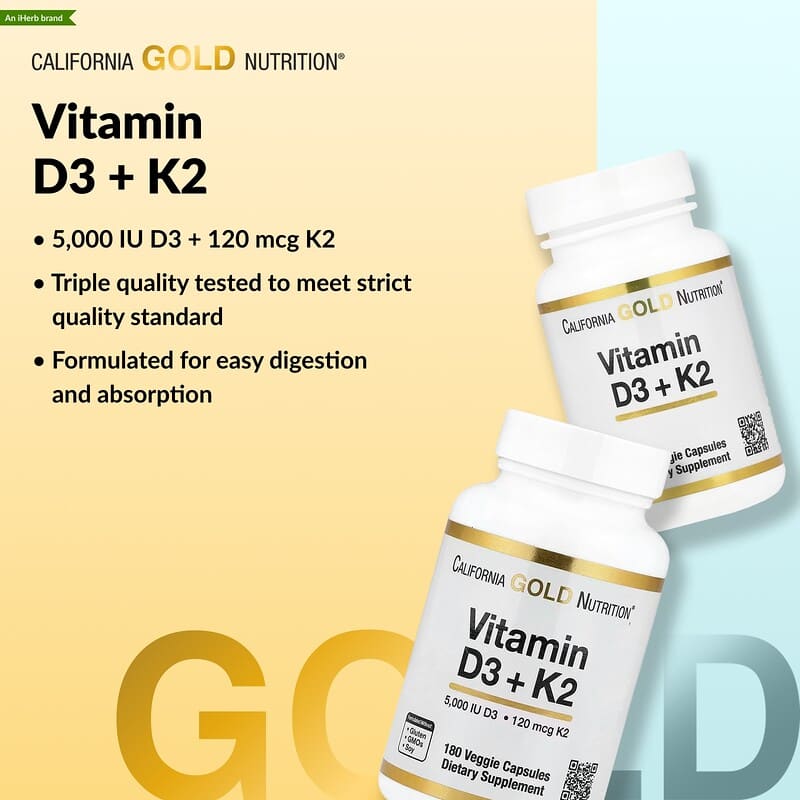
California Gold Nutrition, Vitamin D3 + K2 as MK-7
Why it's here: this is the single highest-impact pick for most people in the northern hemisphere, because it's the one nutrient that reliably falls with the sun from autumn onward. The K2 (as MK-7) is included to help direct calcium sensibly rather than letting it settle where you don't want it. Honest caveat: 5,000 IU is a common maintenance dose for those with low levels, but the right dose for you depends on your blood level — testing or a clinician's guidance beats guessing, and more is not better.
Affiliate link — we may earn a small commission at no extra cost to you. Not a treatment; check with your clinician if pregnant, on blood thinners (K2), or managing a health condition. Best taken with a fat-containing meal.
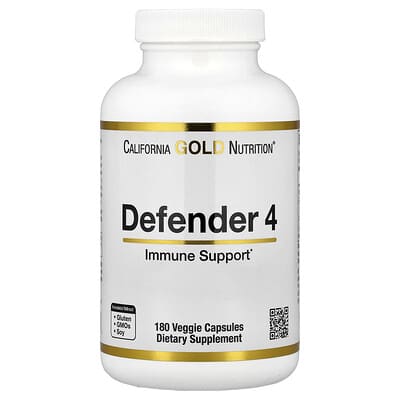
California Gold Nutrition, Defender 4 (C, D, Zinc & Selenium)
Why it's here: if you want pillar 2 without four separate bottles, this bundles the four micronutrients most associated with immune support into one daily base. The doses are sensible and food-gap-filling rather than megadose — which is exactly the right philosophy. (If you'd rather dial zinc or vitamin C individually, our picks are NOW Zinc Picolinate and CGN Gold C — linked in the myths section below.)
Affiliate link — we may earn a small commission at no extra cost to you. A support, not a cold-prevention guarantee; food sources first. Check with your clinician if pregnant, nursing, or on medication.

California Gold Nutrition, LactoBif® 30 Probiotics (30 Billion CFU)
Why it's here: a large share of your immune tissue lives in and around the gut, so supporting that ecosystem is pillar 4 in a capsule. The honest ordering, though: prebiotic fiber and fermented foods come first — a probiotic is a helpful addition to a gut that's already being fed, not a replacement for one that's running on ultra-processed food. This one's convenient (shelf-stable, vegetarian) for exactly that supporting role.
Affiliate link — we may earn a small commission at no extra cost to you. Works best alongside a fiber-rich, diverse diet; not a treatment for any condition. Check with your clinician if immunocompromised.
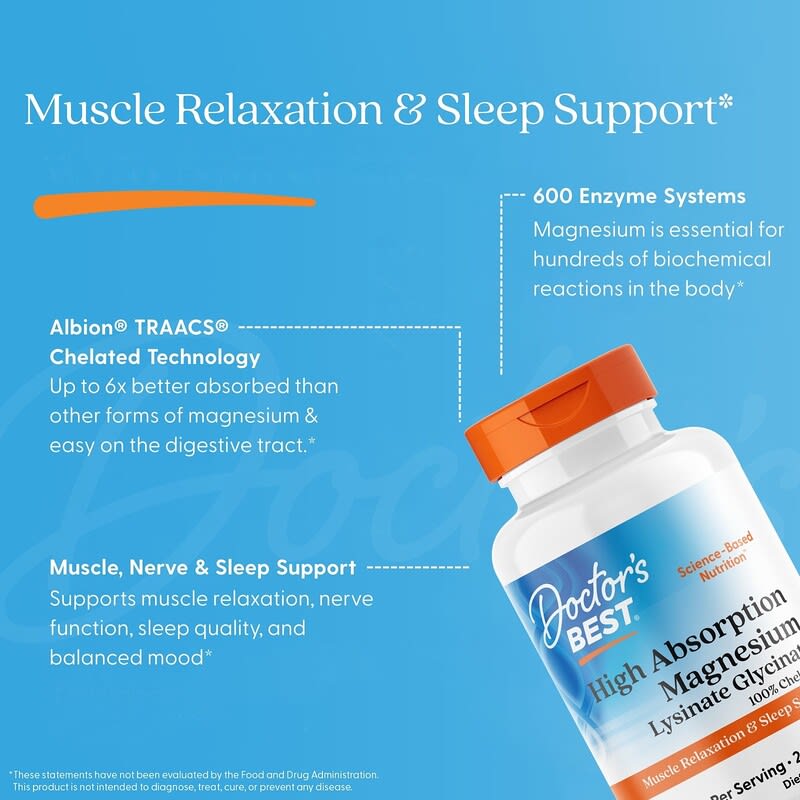
Doctor's Best, High Absorption Magnesium Lysinate Glycinate (Albion® TRAACS®)
Why it's here: sleep is the pillar with the strongest evidence and the weakest marketing — and magnesium glycinate is the form most associated with relaxation and sleep quality without the laxative edge of cheaper forms. Taken an hour before bed, it's the quiet, dependable half of the wind-down ritual. (For the full form-and-dose breakdown, see our magnesium-for-sleep guide.)
Affiliate link — we may earn a small commission at no extra cost to you. Check with your clinician if you have kidney disease or take medications (spacing from some antibiotics/thyroid meds matters).
Three gentle additions that round out the stack — the omega-3 dial, the throat-soothing ritual, and the bedtime cue. Pick the ones that fit your evenings.
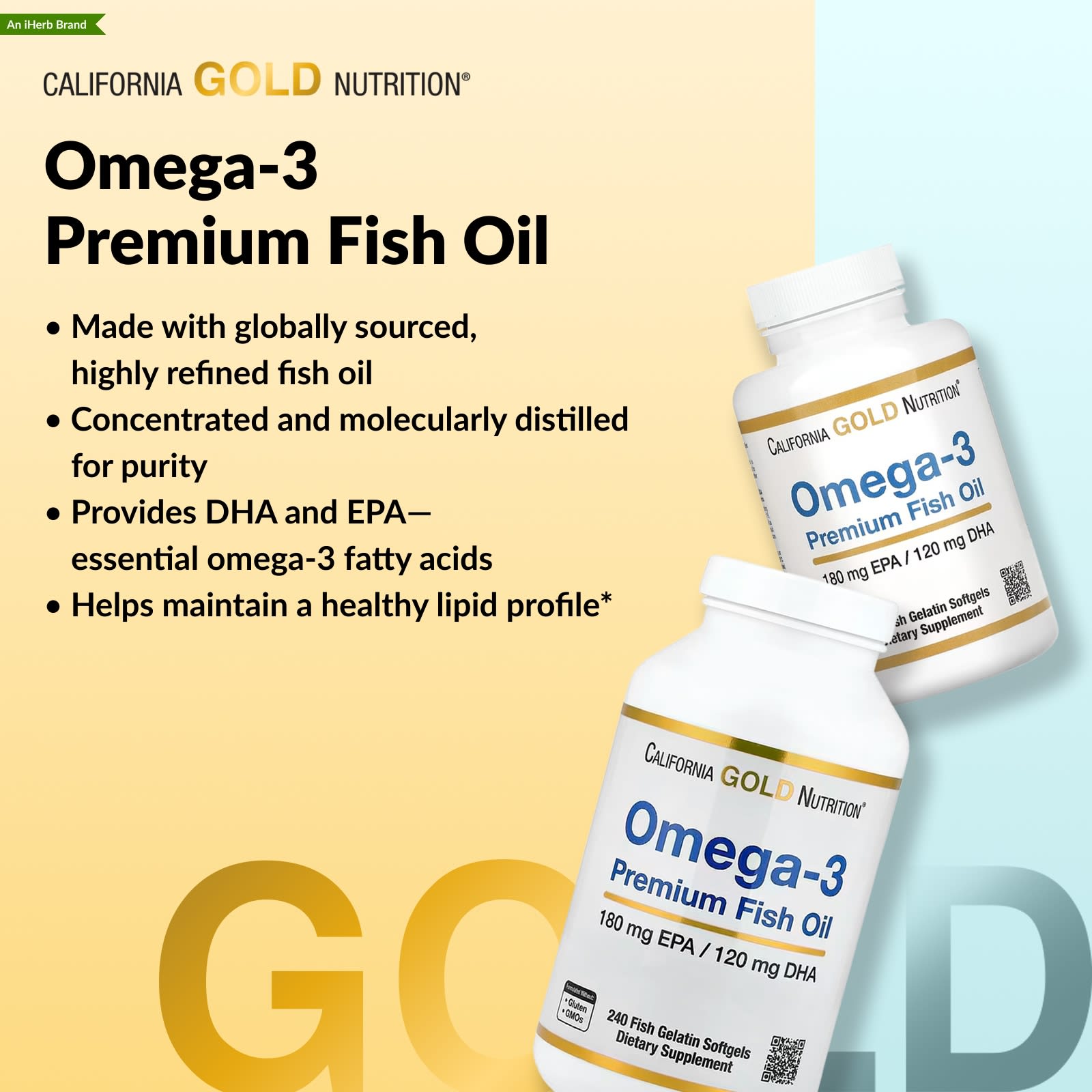
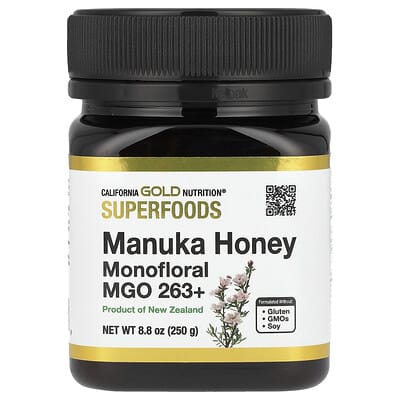
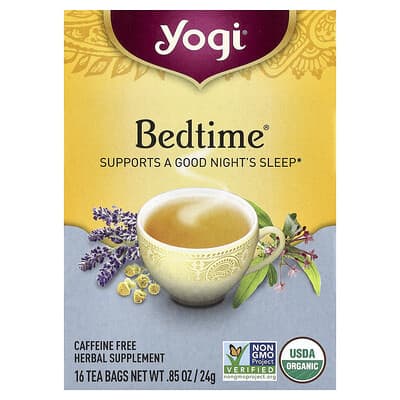
Affiliate links — we may earn a small commission at no extra cost to you. Gentle supports, not treatments; check with your clinician if pregnant, nursing, on blood thinners (omega-3), or managing a health condition.
The stack begins in the kitchen. Pills fill gaps; food builds the foundation. The Encyclopedia of Power Foods profiles 300+ foods and their properties — the practical reference that turns "eat more plants for your gut" into an actual shopping list. Pair it with Herbs for Health for the synergistic herb-and-spice combinations that support inflammation and metabolic health the traditional way.
Don't forget the unsexy defense. Dry mucous membranes defend worse than hydrated ones, and mild dehydration reads as stress to the body. A big gallon water bottle on the desk is the cheapest, most-overlooked line of seasonal resilience — and it makes the "drink more water" advice actually achievable.
See the pillar, don't guess it. Sleep and stress are the hardest to self-assess — you adapt to feeling run-down. A wearable like WHOOP 5.0/MG tracks sleep, recovery and HRV, so you can watch a late night or a high-stress week show up in your numbers and course-correct before winter catches you flat. Data beats denial.
07Myths: "boosting" & the vitamin-C fantasy
The fastest way to waste a reset is to chase the marketing. Here are the four beliefs that trip people up every autumn — and the calmer, truer version underneath each.
You can't, and you wouldn't want to. An over-stimulated immune system is what drives allergies and autoimmune flares. The goal is balance and adequacy, not maximum revs.
Fill the nutrients that run low, protect sleep, manage stress. A well-resourced, well-rested system responds competently on its own — that's resilience, not a "boost."
Regular vitamin C doesn't reliably prevent colds in the general population. The stronger evidence is for a modest reduction in how long one lasts — and for people under heavy physical stress.
Berries, citrus, peppers and kiwi bring vitamin C plus fiber and phytonutrients a tablet can't. If you supplement, do it as a gap-filler (CGN Gold C, 1,000 mg), not a force field.
Megadoses don't scale benefits and can cause harm: excess zinc crowds out copper, very high vitamin D needs monitoring, and "more probiotics" won't fix a fiber-starved gut.
Sensible, consistent doses on top of real food outperform heroic megadoses every time. The reset is a buffer, not a bombardment.
"Winter defense blends" bundle a little of everything at under-studied doses and charge a premium for the convenience of one bottle.
You'll do better with the five transparent pillars (and a base like Defender 4 if you want simplicity) than with any named blend whose formula you can't audit.
08Who should be careful & when to see a doctor
Most of this reset is just eating, sleeping, and moving with more intention — safe for nearly everyone. The supplement layer, though, has real interactions worth naming honestly, because a plan that ignores them isn't a plan, it's a gamble.
| If this is you… | Be careful with… | Why |
|---|---|---|
| On blood thinners (e.g. warfarin) | Vitamin K2, high-dose omega-3 | Vitamin K affects clotting; omega-3s can have a mild blood-thinning effect. Both need clinician awareness. |
| Pregnant or nursing | Any new supplement, esp. higher-dose D | Doses and safety differ in pregnancy — clear every addition with your provider first. |
| Autoimmune condition | "Immune-boosting" herbs, probiotics, vitamin D | Stimulating an already-overactive system can backfire; this needs specialist guidance, not a reset plan. |
| Kidney or liver disease | Higher-dose D, magnesium, omega-3, herbs | These organs process and clear many of these nutrients; doses often need adjusting. |
| On thyroid or antibiotic meds | Magnesium, zinc, calcium | Minerals can bind these medications and reduce absorption — spacing (often 2–4 h) matters. |
The honest bottom line
Here's the entire philosophy in one paragraph: winter immunity is an autumn project. The reason people feel battered every February is rarely a single missing supplement — it's a slow drain of reserves (vitamin D falling with the sun), a fraying of sleep and routine, and a gut thinned by convenience eating, all compounding quietly for months. A focused 30-day reset doesn't "boost" anything; it refills the accounts that actually matter, and installs the habits that keep them funded through the dark months.
The five pillars are unglamorous precisely because they're true: vitamin D (the seasonal one, best guided by a test), zinc/C/selenium (food-first micros), omega-3s (the inflammation dial), the gut (headquarters, fed by fiber and diversity before any probiotic), and — the foundation everything rests on — sleep, stress and movement, the pillar no capsule can fake. Run them as four themed weeks, not a juggle, and by day 28 you're not maintaining a regimen; you're just living with a little more intention than you were in August.
So skip the "winter defense" theater and the megadose panic. Build the buffer now, while there's still light and momentum to build on. Stock the reserves, protect the sleep, feed the gut, move in the daylight, and let the soothing rituals — the honey-tea evenings, the magnesium wind-down — make the whole thing feel like care rather than chore. You won't be invincible in January. But you'll be resourced — and that, honestly, is the entire game.
Frequently asked questions
Does a 30-day immunity reset really work?
It works like a savings account, not a fire extinguisher. Thirty days is enough to rebuild nutrient reserves that drain over the darker months — especially vitamin D — and to install the sleep, gut and stress habits that keep your system running well. It won't make you immune to every cold, and no honest protocol claims it will.
What's the single most important supplement for winter immunity?
For most people in the northern hemisphere, vitamin D — because sun exposure drops sharply from autumn and deficiency is common. It's worth testing your level or discussing a maintenance dose with your clinician rather than guessing, since more isn't always better.
Can I just take vitamin C to prevent colds?
Regular vitamin C doesn't reliably prevent colds in the general population; the evidence is stronger for modestly shortening how long one lasts and for people under heavy physical stress. It's a reasonable daily top-up, but food sources come with fiber and phytonutrients a pill can't match.
Is "boosting" my immune system even a real thing?
Not really, and the phrase is a red flag. A healthy immune system is balanced, not maximized — an over-active response drives allergies and autoimmune flares. The sensible goal is supporting normal function through nutrients, sleep, movement and stress recovery, not revving it up.
Who should be careful with these supplements?
Talk to a clinician first if you're pregnant or nursing, on blood thinners (vitamin K2 and high-dose omega-3 can interact), managing an autoimmune condition, or living with kidney or liver disease. Higher-dose vitamin D is best guided by a blood test rather than self-prescribed.
When should I see a doctor instead of relying on a reset?
See a doctor for a stubborn fever, shortness of breath, chest pain, confusion, symptoms that worsen after improving, or infections that keep recurring despite good habits. A seasonal reset supports everyday resilience; it's not a substitute for medical care when you're genuinely unwell.
References & further reading
- Martineau AR, et al. — Vitamin D supplementation to prevent acute respiratory tract infections: systematic review and meta-analysis. BMJ.
- Cooper C, et al. / Hemilä H, Chalker E — Vitamin C for preventing and treating the common cold. Cochrane Database of Systematic Reviews.
- Hemilä H — Zinc lozenges and the common cold: a meta-analysis comparing zinc acetate and zinc gluconate. BMC Infectious Diseases.
- Calder PC — Omega-3 fatty acids and inflammatory processes: from molecules to man. Biochem Soc Trans; and immune/respiratory tract function reviews.
- Watanabe R, et al. — Human intestinal epithelial cells and the gut-associated lymphoid tissue (GALT) in immune regulation; microbiome–immunity reviews (Cell/Nature).
- Prather AA, et al. — Behaviorally assessed sleep and susceptibility to the common cold. Arch Gen Psychiatry / Sleep.
- Dhabhar FS — Effects of stress on immune function: the good, the bad, and the unexpected. Immunologic Research.
- Nieman DC, Wentz LM — The compelling link between physical activity and the body's defense system. J Sport Health Sci (moderate vs. intense exercise and immunity).
- Endocrine Society / National Institutes of Health (ODS) — Vitamin D fact sheets and guidance on testing and prudent dosing.
- WHO / CDC — Foundations of infection prevention: vaccination, hand hygiene, and when to seek care (the non-negotiables a "reset" never replaces).
Comments
Post a Comment