
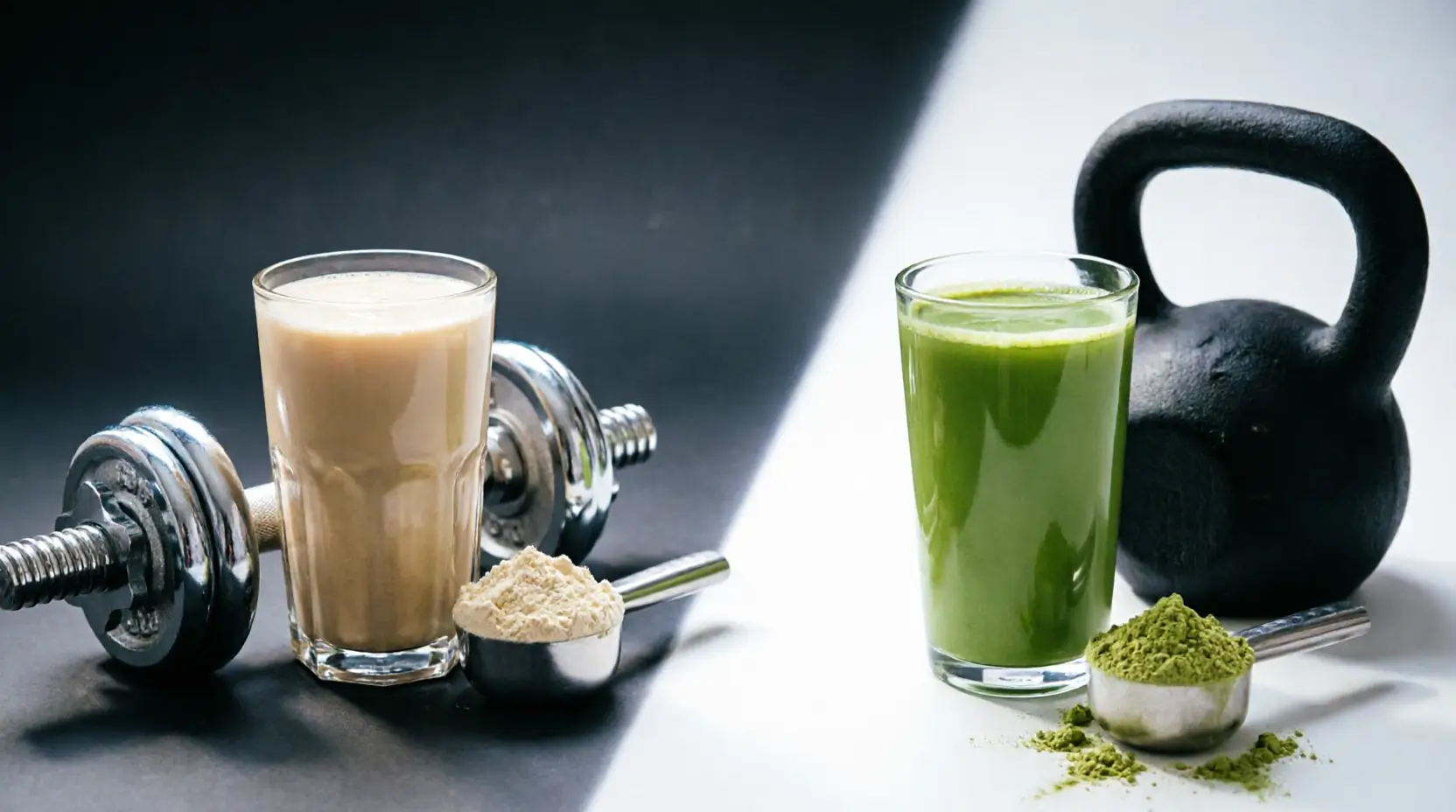
WHEYvsPLANT
Which one actually builds more muscle?
We settled it with the leucine threshold, the head-to-head trials, and the verdict no label will ever print.
Walk into the supplement aisle and two tubs stare back at you like rival coaches. One promises "fastest-absorbing, purest isolate, maximum gains." The other promises "clean, plant-powered, just as effective." Both have a five-star wall of reviews. Both want your money. And both are telling you a version of the truth that's been sanded down until it fits on a label.
Here's what's actually going on, stripped of the marketing: whey and plant protein are not the same thing per gram — but the difference is smaller, more specific, and far more fixable than either side admits. Whey wins on a narrow, measurable metric. Plant protein wins on a different set of metrics entirely. And the headline question — "which builds more muscle?" — has an honest answer that depends on one number most people have never heard of: the leucine threshold.
This is the no-hype head-to-head. We'll explain the mechanism (why a scoop of whey flips the muscle-building switch more efficiently), lay out exactly what the head-to-head studies found (spoiler: plant catches up the moment you stop under-dosing it), and give you a clear verdict by goal — plus the simple moves that let a plant-based diet build muscle just as well as a dairy one. No tribalism, no tub-worship. Just the science, and a plan.
📋 What's inside
- What we're actually comparing (isolate vs blend)
- The muscle switch: MPS & the leucine threshold
- Whey isolate — the case for & against
- Plant protein — the case for & against
- What the head-to-head research really found
- The full comparison table
- The verdict, by goal
- How to choose & dose it (make plant catch up)
- The products, honestly
- Myths & cautions
- FAQ
01What we're actually comparing
"Protein powder" is a lazy category. To compare fairly, we need to be specific about what's in each scoop. On one side, whey protein isolate: a dairy-derived protein filtered to roughly 90% protein by weight, very low in lactose and fat, and — critically — naturally rich in the branched-chain amino acids, leucine above all. On the other side, plant protein, which almost never means a single source. The good plant powders are blends — typically pea plus rice, sometimes with hemp, pumpkin, or quinoa — because no single plant protein has a complete, well-balanced amino acid profile on its own. Blending is how plant protein fixes its weak spots.
That difference shows up in the digestibility scores researchers use. The older metric, PDCAAS, caps most proteins at 1.0 and makes whey and soy look nearly identical. The newer, more accurate metric, DIAAS (Digestible Indispensable Amino Acid Score), doesn't cap the score and measures absorption at the end of the small intestine — and here whey and milk proteins pull ahead of most plant sources, with pea and soy sitting respectably in the middle and some single plant sources trailing. This isn't a moral ranking; it's just physics and chemistry. And as we'll see, a lower DIAAS is a problem you can engineer around.
02The muscle switch: MPS & the leucine threshold
Now the mechanism, because it's the whole game. When you eat protein, your body breaks it into amino acids, and one of them — leucine — acts like a key that turns on a pathway called mTOR, which switches on muscle protein synthesis (MPS), the process of building new muscle tissue. Think of leucine as the starter button. Press it hard enough and MPS fires; press it weakly and you get a half-start.
The catch is that the button has a threshold. Research puts it at roughly 2.5–3 grams of leucine per meal for most adults to maximally trigger MPS. Whey is loaded with leucine (about 11–14% of its amino acids), so a modest 20–25 g scoop of whey clears that threshold comfortably. Most plant proteins are lower in leucine, so a 25 g scoop of, say, pea protein may deliver only ~1.5–2 g of leucine — a sub-threshold press. That single fact explains almost the entire "whey is better" headline.
But notice what it doesn't say. It doesn't say plant protein can't press the button — it says you need more of it, or a blend, or a leucine/EAA top-up to press it just as hard. And there's a second variable, speed: whey is "fast," spiking amino acids in the blood quickly, which is great around a workout; plant and casein-type proteins are slower and more sustained, which is great for keeping amino acids trickling in between meals. Fast isn't automatically better — it's better at the right time.
03Whey isolate — the case for & against
Efficiency you can measure
The most reliable way to hit the leucine threshold with the smallest scoop.
- Highest leucine per gram — flips MPS with ~20–25 g
- Complete amino acid profile, top-tier DIAAS
- Fast absorption — ideal around training
- Decades of hypertrophy research behind it
- Isolate = low lactose, easy on most stomachs
Not magic, not for everyone
The downsides are real but narrow.
- Dairy-derived — off-limits for vegans, some lactose-intolerant people
- More processed than whole foods
- Quality varies wildly between brands
- Some experience bloating or skin flare-ups
- Higher environmental footprint than plants
04Plant protein — the case for & against
More than just protein
A blend done right is a complete protein that brings extras whey can't.
- Vegan, allergen-friendly, easy to digest for many
- Brings fiber, polyphenols & phytonutrients
- Pea + rice blends = complete amino acid profile
- Much lower environmental footprint
- Great sustained amino acid release between meals
The gap is real — but fixable
Lower leucine and digestibility per gram are the honest trade-offs.
- Lower leucine per gram — needs a bigger scoop to hit threshold
- Lower DIAAS than dairy (single sources especially)
- Some blends are gritty or earthy in taste
- Single-source plant proteins are incomplete alone
- May need an EAA/leucine top-up to fully match whey
05What the head-to-head research really found
This is where the marketing story and the science story part ways. The fear sold online is that plant protein is "inferior for muscle." The actual trials tell a more nuanced — and more reassuring — story.

The powders are just concentrated versions of foods like these. Whether your protein comes from a tub or a plate, the same rules of total intake and leucine apply.
The landmark head-to-head work — Babault and colleagues comparing pea protein to whey in resistance-trained men, and Joy and colleagues comparing rice protein to whey — found no significant difference in muscle thickness or strength gains when the protein doses were matched over a training program. Later meta-analyses pooling these and similar trials reached the same conclusion: when total protein intake is adequate and equated, plant and animal protein produce comparable gains in muscle mass and strength. The "whey wins" effect appears mainly in short-term MPS studies and in situations where protein is under-dosed — exactly the condition where leucine matters most.
Read that carefully, because it's the whole verdict in a sentence: whey's edge is real but conditional. It shows up when the dose is small, the meal is leucine-poor, or the window is acute (right after training). It largely disappears when you feed people enough total protein across the day and make sure each meal crosses the leucine threshold — which a smart plant eater can absolutely do.
06The full comparison table
| Factor | Whey isolate | Plant blend (pea + rice) |
|---|---|---|
| Protein per scoop | ~25 g (very high %) | ~20–25 g (slightly lower %) |
| Leucine per scoop | ~2.5–3 g ✅ clears threshold | ~1.5–2 g ⚠ often sub-threshold |
| Amino completeness | Complete, excellent | Complete when blended |
| Digestibility (DIAAS) | High | Moderate–good (blend-dependent) |
| Absorption speed | Fast (great post-workout) | Moderate (great between meals) |
| Lactose / dairy | Trace (isolate) / some (concentrate) | None ✅ |
| Fiber & phytonutrients | None | Some ✅ |
| Taste / texture | Smooth, mild | Can be earthy / gritty |
| Environmental footprint | Higher | Lower ✅ |
| Muscle gain (matched dose) | ≈ equal | ≈ equal |
| Best use | Small/fast dose, post-training | Meal top-up, vegan diets, between meals |
07The verdict, by goal
There's no single winner — there's a winner for your goal. Here's how we'd call it.
08How to choose & dose it (make plant catch up)
Here's the practical playbook — the part that turns the science into muscle.
How much protein, and how to spread it
For hypertrophy, the well-supported range is 1.6–2.2 g of protein per kg of body weight per day, spread across 3–4 meals so each one crosses the leucine threshold. Plant-based eaters should aim toward the upper end (closer to 2.0–2.2 g/kg) to compensate for slightly lower digestibility. And don't neglect the first meal of the day — a protein-rich breakfast sets the tone and stops you from back-loading everything into dinner. If mornings are your weak spot, our 10 high-protein breakfast ideas make that first hit genuinely easy, whether you eat dairy or not.
How to make plant protein match whey
Three simple moves close the gap entirely:
- Use a blend, not a single source. Pea + rice is the classic combo — rice supplies the methionine pea is low in, pea supplies the lysine rice lacks. Together they're complete.
- Bump the serving. Where whey needs ~25 g to hit the leucine threshold, plan on ~30–40 g of plant protein per meal to deliver a comparable leucine dose.
- Add a leucine/EAA top-up. A scoop of EAAs with ~3 g of leucine alongside a plant meal (or stirred into a plant shake) brings the MPS signal right up to whey levels. This is the single most effective "equalizer" for plant-based lifters.

The shake is the easy part. The hard part — and the part that actually drives growth — is showing up, progressing the load, and hitting your protein day after day.
The one supplement that beats the whey-vs-plant debate entirely
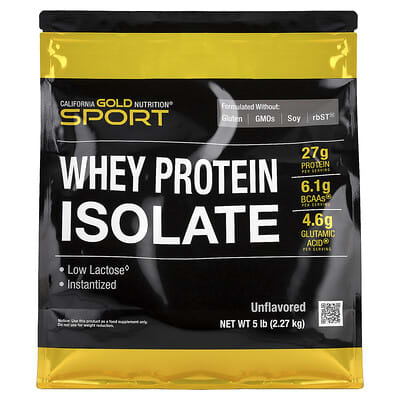
If you want the biggest bang-for-buck add-on for muscle — regardless of which protein you pick — it isn't a fancier protein. It's creatine monohydrate, the single most researched performance supplement there is, and it stacks with whey and plant protein equally. (We've gone deep on the dosing, the timing myths, and the surprising cognitive benefits in our creatine monohydrate guide.) Pair any protein with 3–5 g of creatine daily and you've covered the two supplements with the strongest evidence for hypertrophy.
⚡ Hit Your Number, Not a Guess
The whole whey-vs-plant debate only matters if you're hitting enough total protein in the first place. Use our free calculator to set your daily protein and macro targets, then pick whichever powder makes that number easiest to reach — and spread it across the day.
Try Ileany Macro Calculator Now 🎯09The products, honestly
A few picks that match the science above — one for each side of the debate, plus the equalizers that make the choice matter less. We've linked real products with the reasoning laid bare; pick what fits your diet and your stomach.
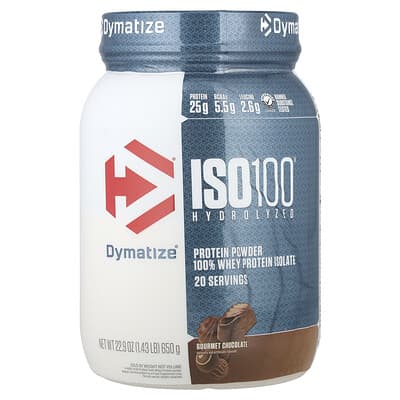
Dymatize, ISO100® Hydrolyzed Whey Protein Isolate
Why it's here: this is the textbook "efficient" scoop — hydrolyzed isolate that digests fast and clears the leucine threshold in a single serving, which is exactly the whey advantage in concentrated form. Ideal post-workout or when you want maximum amino acids from a small, low-lactose dose.
Affiliate link — we may earn a small commission at no extra cost to you. Contains milk; not suitable for vegans or those with a dairy allergy.
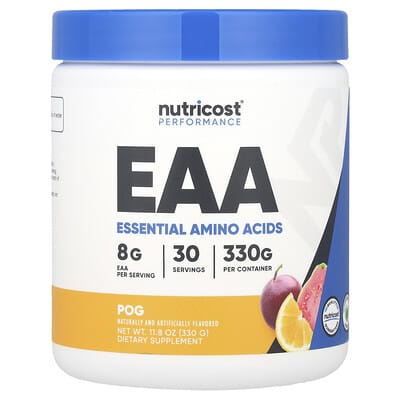
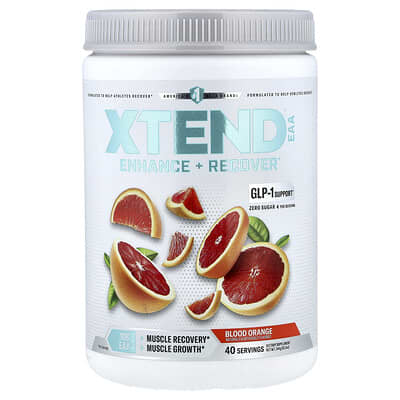
Nutricost, Performance EAA Powder
Why it's here: there's no perfect single plant tub, so the smart plant-based move is to add the missing piece — and that piece is leucine. With ~3 g of leucine plus the full essential amino acid spectrum, this is the "equalizer": stir it into a plant shake or a lower-leucine meal and you bring the muscle-building signal right up to whey levels. This is the practical answer to "can plant match whey?" — yes, with this on your side.
Affiliate link — we may earn a small commission at no extra cost to you. Amino acids support, not a treatment; check with your clinician if you have a medical condition.
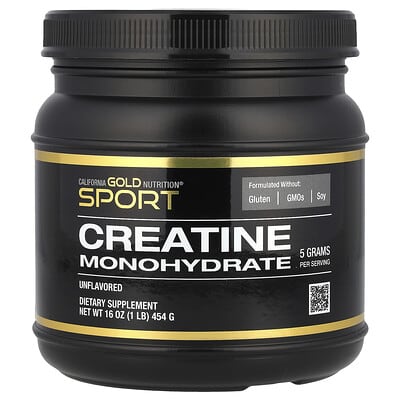
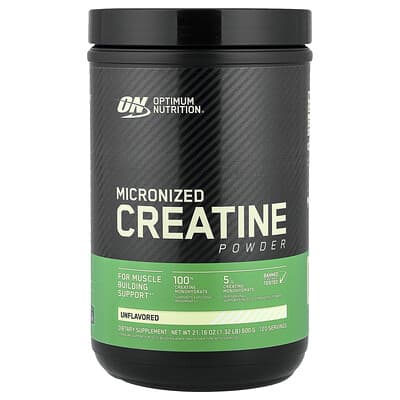
California Gold Nutrition, Sport Pure Creatine Monohydrate
Why it's here: if you only add one thing to your protein — whey or plant — make it creatine monohydrate. It's the most researched performance supplement in existence, it stacks with any protein source, and it supports strength, power, and lean mass (plus some cognitive benefit). 3–5 g a day, every day, no cycling needed. The great equalizer that makes the tub debate matter even less.
Affiliate link — we may earn a small commission at no extra cost to you. Stay well hydrated; check with your clinician if you have kidney disease.
Mix and match across the whey/plant line — the stack works either way. Pick the protein that fits your diet, then add the equalizers.
Affiliate links — we may earn a small commission at no extra cost to you. Supplements complement a balanced diet and progressive training; they don't replace them.
Turn the comparison into actual meals. Powders are a convenience, but most of your protein should come from real food. Skinnytaste High Protein gives you 100 dependable high-protein recipes for every meal — the real-food foundation that any powder simply tops up.
Stop guessing your grams. The entire "matched dose" argument depends on actually knowing your dose. A simple kitchen scale lets you weigh protein and hit your targets precisely — the unglamorous habit that beats any fancy tub. This is how plant eaters make sure they're truly matching the leucine, not just the scoop size.
10Myths & cautions
"Plant protein can't build muscle."
It can, and trials show equal gains when total protein and leucine are matched. The gap is in dosing, not in some inherent weakness.
"Whey is always superior."
Whey is more leucine-efficient per gram — a real but narrow advantage. At adequate daily intake, the practical difference shrinks to near zero.
"You need protein within 30 minutes or it's wasted."
The "anabolic window" is far more forgiving than that. Total daily protein and per-meal distribution matter much more than racing the clock.
"More protein = more muscle, forever."
There's a ceiling. Beyond ~2.2 g/kg/day, extra protein mostly adds calories, not muscle. Training stimulus is the real driver.
"Plant protein is incomplete, period."
Some single plant sources are low in one or two amino acids — which is exactly why blends (pea + rice) exist. A blend is complete.
The honest bottom line
So, whey or plant? The truthful answer is the one the marketing won't give you: it barely matters, as long as you dose it right. Whey isolate is the more leucine-efficient tool — a smaller, faster scoop that flips the muscle-building switch with less effort, which is genuinely useful around a workout or when you want maximum amino acids from a small serving. Plant protein is a complete, allergen-friendly, fiber-rich option that builds muscle just as well the moment you match the total protein and the leucine — by blending sources, bumping the serving, or adding an EAA top-up.
The head-to-head research backs this up: when protein is matched, the gains are matched. The "plant is inferior" story only holds when plant is under-dosed — and that's a fixable mistake, not a law of nature. The variables that actually move the needle are the boring, unsexy ones: enough total protein across the day, a leucine hit at each meal, progressive training, sleep, and consistency. The powder is just the convenient way to hit the number.
So pick the tub you'll actually enjoy drinking every day — the one that fits your diet, your stomach, and your values. Add creatine if you want the best-studied multiplier. Weigh your food if you want to stop guessing. And remember that no scoop, however cleverly marketed, has ever built a muscle on its own. That part was always going to be you.
Keep reading on Ileany
The protein debate is one piece of the muscle-building picture. These go deeper on the parts that surround it.
Frequently asked questions
Is whey or plant protein better for building muscle?
Whey isolate has a small edge per gram because it's higher in leucine and digests faster. But when total protein and leucine are matched, studies show plant blends build muscle just as well. The gap is smaller than marketing suggests and easily closed by eating a little more plant protein or combining sources.
What is the leucine threshold?
It's the amount of leucine needed in a single meal to maximally trigger muscle protein synthesis — roughly 2.5–3 g for most people. Whey hits this in ~20–25 g of protein; many plant proteins need 30–40 g or a blend to reach the same leucine dose.
Can vegans build as much muscle as meat-eaters?
Yes. Research with matched protein intakes finds similar muscle growth. The keys are enough total protein, complementary sources (pea + rice, legumes + grains), and reaching the leucine threshold each meal — optionally with an EAA or leucine boost.
How much protein do I need per day for muscle gain?
For most people training for hypertrophy, 1.6–2.2 g per kg of body weight per day, spread across 3–4 meals, is the well-supported range. Plant-based eaters may aim toward the upper end to offset slightly lower digestibility.
Is whey isolate better than whey concentrate?
Isolate is more filtered — slightly more protein per gram, less lactose and fat — so it suits sensitive stomachs. For muscle building the difference is small; both work. Choose isolate if you're lactose-sensitive or want the leanest option, concentrate for better value.
References & further reading
- Babault N, et al. — Pea proteins oral supplementation promotes muscle thickness gains during resistance training: a double-blind, randomized, placebo-controlled trial vs. whey protein. J Int Soc Sports Nutr.
- Joy JM, et al. — The effects of 8 weeks of whey or rice protein supplementation on body composition and exercise performance. Nutr J.
- Lim MT, et al. — Animal protein versus plant protein in supporting lean mass and muscle strength: a systematic review and meta-analysis. Nutrients.
- Hevia-Larraín V, et al. — High-protein plant-based diet versus a protein-matched omnivorous diet to support resistance training adaptations. Sports Med.
- Churchward-Venne TA, et al. — Leucine supplementation of a low-protein meal increases skeletal muscle and visceral tissue protein synthesis (leucine threshold concept).
- Morton RW, et al. — A systematic review, meta-analysis and meta-regression of the effect of protein supplementation on resistance training-induced gains in muscle mass and strength. Br J Sports Med.
- FAO — Dietary protein quality evaluation in human nutrition (DIAAS report).
- Kreider RB, et al. — International Society of Sports Nutrition position stand: safety and efficacy of creatine supplementation.
Comments
Post a Comment