

THE 30-MINUTE RUSH
IS MOSTLY A MYTH
Does the anabolic window even matter anymore?
We traced the stopwatch obsession back to its source — and the modern evidence quietly retires it. Here's what actually moves the needle.
You've seen the ritual. The last rep drops, the bar clatters, and a person bolts for their bag like the building's on fire — because somewhere a clock started ticking. Thirty minutes. Maybe sixty. After that, the story goes, the "anabolic window" slams shut, your muscles stop listening, and that hard set was basically for nothing unless a shake is already halfway down your throat.
It's one of the most durable ideas in all of fitness, and it has sold an enormous amount of protein powder. It's also, in the form most people believe it, mostly wrong. Not "a little exaggerated" — wrong enough that the researchers who helped build the modern understanding of muscle protein synthesis have spent years walking it back. The window isn't a window. It's a wide, forgiving barn door, and for most people the thing they should be racing isn't the clock at all.
This is the honest autopsy of the anabolic window: where the myth came from, what the physiology actually shows, what the head-to-head studies found, and — the part the myth gets backwards — the small set of situations where timing does genuinely matter. By the end you'll have a clear hierarchy of what to care about, in order, so you can stop sprinting to the shaker and start spending that energy where it actually builds muscle.
📋 What's inside
- The myth, defined: the 30-minute window
- Why we believed it (the physiology that got over-sold)
- What the modern evidence actually shows
- Myth vs. reality, side by side
- The priority pyramid: what really matters
- A practical, low-stress protocol
- The products, honestly
- When timing DOES matter (the real exceptions)
- Myths & cautions
- FAQ
01The myth, defined: the 30-minute window
Let's state the claim precisely, because precision is where it falls apart. The classic "anabolic window" (sometimes called the "window of opportunity") says that immediately after resistance training your muscles are uniquely primed to absorb nutrients, and that this primed state lasts only about 30 to 60 minutes. Within that sliver, the story goes, you must consume protein (often paired with fast carbs) to "switch on" recovery and growth; miss it, and the workout's benefit collapses. Some versions add that without this post-workout hit, your body will cannibalize muscle for fuel.
That framing has three moving parts, and it's worth separating them, because they're not equally true: (1) muscle is more receptive after training — partly true; (2) that receptivity is brief — mostly false; (3) missing the brief window wastes the session — largely false. The myth takes a grain of real physiology and stretches it into a deadline that the body simply doesn't enforce.
02Why we believed it (the physiology that got over-sold)
The myth didn't come from nowhere — it came from real observations that were then misread. After a hard session, two things are genuinely happening. First, training raises the sensitivity of muscle to amino acids: the same dose of protein tends to drive a slightly stronger muscle protein synthesis (MPS) response in the hours after exercise than at rest. Second, a workout depletes muscle glycogen and creates micro-damage, so there's a real, elevated demand for both amino acids (to repair and rebuild) and carbohydrate (to refill fuel). On paper, that looks like an "open window" begging to be filled — fast.
Add the early research and the picture seemed to harden. A lot of the foundational protein-timing studies were done in a very specific condition: people who trained fasted, having eaten nothing for many hours. In a fasted state, the body is net catabolic — breaking down more than it builds — and in that situation, getting amino acids in quickly after training makes a clear, measurable difference. The problem is that "makes a difference when fasted" got translated, somewhere along the way, into "makes a difference always, and you have 30 minutes to do it." A finding about an empty stomach became a universal deadline for a fed one.
The red sliver is the deadline you were sold. The teal bar is the window your body actually keeps open — and a pre-workout meal stretches it even wider by leaving amino acids in your blood through the whole session.
03What the modern evidence actually shows
This is where the science catches up with the marketing. The most-cited dismantling of the strict window came from Schoenfeld, Aragon, and Wilborn, whose work and subsequent meta-analyses reached a conclusion that should have retired the stopwatch years ago: when total daily protein is matched and adequate, the precise timing of protein around a workout has little to no measurable effect on muscle growth or strength. The "window," to the extent it exists, is broad — on the order of several hours on either side of training — not a 30-minute trapdoor.
There's also a mechanism the myth ignores entirely: the carryover from your pre-workout meal. A mixed meal containing protein takes hours to fully digest and release amino acids into the bloodstream. If you ate 1–3 hours before training, those amino acids are still arriving at your muscle during and after the session — meaning your "post-workout window" was effectively already open before you even started lifting. In that very common, real-world scenario, slamming a shake the instant you finish is redundant; your body is already supplied. The frantic post-set shake is solving a problem that, for a fed person, largely isn't there.
Layer on the concept of the "muscle-full" effect and net protein balance, and the picture sharpens further. Muscle protein synthesis doesn't keep climbing the more protein you throw at it in one sitting — it spikes, plateaus, and then the muscle goes temporarily "full" until the next meal. What builds muscle over weeks isn't a single perfectly-timed spike; it's the sum of elevated synthesis across the day, minus breakdown. That's a 24-hour accounting problem, not a 30-minute one. Win the day, and the exact minute of your shake becomes a rounding error.
04Myth vs. reality, side by side
The window is far wider than that. As long as you eat a protein-rich meal within a few hours of training — before or after — you've covered it.
Your muscles stay receptive for hours. A real meal on either side of training does the job; the stopwatch is optional.
Net breakdown only dominates when you're fasted for many hours with no protein coming in. A normally-fed trainee isn't cannibalizing muscle between sets.
If you ate before training, amino acids are still circulating. The emergency-shake framing applies to an empty stomach, not a fed one.
MPS plateaus per meal (the muscle-full effect). Dumping 80 g into one post-workout sitting doesn't keep building beyond what ~30–40 g triggers.
Three to four meals each hitting the leucine threshold beat one giant perfectly-timed dose.
The insulin-spike-for-gains idea is overstated for most people. Carbs help refill glycogen, but protein synthesis itself doesn't depend on a sugar rush.
Include carbs if you train hard or again soon; for muscle protein synthesis, the protein (and its leucine) is the key player.
05The priority pyramid: what really matters
Here's the mental model that replaces the stopwatch. Think of muscle growth as a pyramid of priorities. The anabolic-window obsession puts the tiny, least-important capstone at the top of your attention — and in doing so, knocks over the massive base that actually does the work. Read it from the bottom up: the wider the layer, the bigger its real impact on your results.
Notice the anabolic window sits at the very top — the smallest layer. Most of the panic in fitness culture is aimed at the capstone while the foundation goes unmeasured and unmet.
06A practical, low-stress protocol
So what do you actually do? Here's a protocol that respects the real physiology and removes the anxiety — built around the pyramid, not the stopwatch.

Unhurried on purpose. A shake when it's convenient — not when a phantom clock demands it — is exactly the right relationship to have with post-workout protein.
Land in the 1.6–2.2 g/kg/day range. This is the layer that decides whether you grow at all. Use our calculator to set the number, then build the day around it — not around the workout clock.
Divide that total into 3–4 meals, each delivering roughly 0.4–0.55 g/kg (about 20–40 g for most people) so every meal crosses the leucine threshold. Four solid hits beat one perfect post-workout spike and three weak ones.
Have a protein-containing meal 1–3 h before training, or within 1–2 h after — whichever fits your schedule. If you ate before, the after-shake is genuinely optional. The window is hours wide; walk through it calmly.
If your last meal was early, 30–40 g of a slower protein (casein, or a mixed meal) before sleep supports overnight synthesis. A helpful top-up — not a make-or-break rule.

This row is the protocol. Four real meals, each with a solid protein hit, spread across the day — that distribution does more for your muscle than any precisely-timed shake ever could.
⚡ Set the Number That Actually Matters
The whole anabolic-window debate only matters once your daily total is dialed in — and that's the number most people never actually calculate. Get your protein and macro targets, then spread them across the day and stop watching the gym clock.
Try Ileany Macro Calculator Now 🎯07The products, honestly
A shake is just a convenient way to hit a number in the pyramid — and the honest truth is that when you drink it matters far less than the marketing claims. With that said, here are sensible picks for the moments a powder genuinely earns its place, plus the equalizers that make timing matter even less.
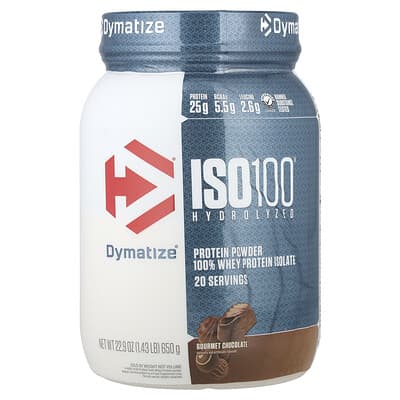
Dymatize, ISO100® Hydrolyzed Whey Protein Isolate
Why it's here: this is the classic "post-workout" scoop — fast, leucine-rich, and easy on the stomach. But notice the honest framing: its speed is a convenience, not a necessity. It's a great way to land a meal's protein hit when cooking isn't an option, whether that's right after training or three hours later. The clock doesn't care; your daily total does.
Affiliate link — we may earn a small commission at no extra cost to you. Contains milk; not suitable for vegans or those with a dairy allergy.
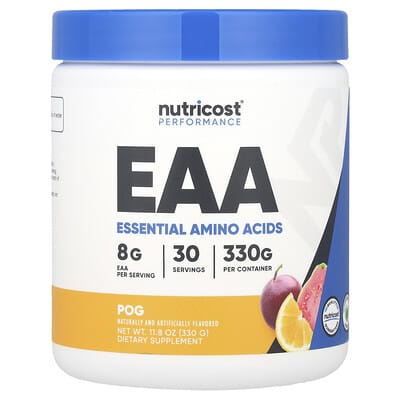
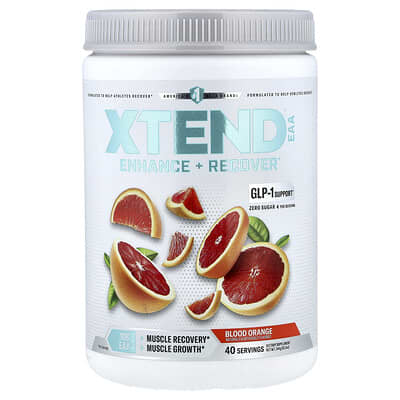
Nutricost, Performance EAA Powder
Why it's here: this is the one place timing has a real, narrow use — during or around a long or fasted session, when you want amino acids available without a heavy meal. With ~3 g of leucine it also doubles as the "equalizer" for plant-based or lower-protein meals, pushing them across the muscle-full threshold. If you train fasted, this is a more honest use of "timing" than the post-workout panic.
Affiliate link — we may earn a small commission at no extra cost to you. Amino acids support, not a treatment; check with your clinician if you have a medical condition.
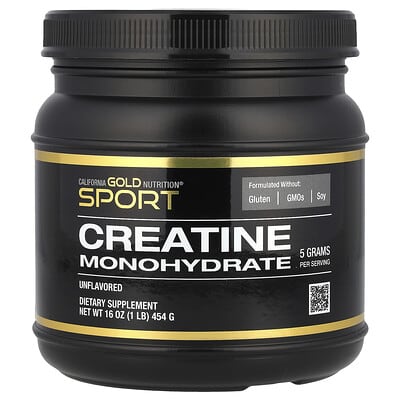
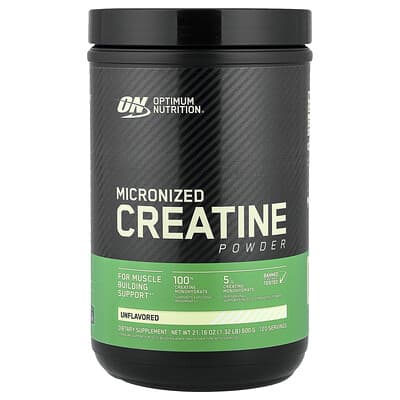
California Gold Nutrition, Sport Pure Creatine Monohydrate
Why it's here: creatine is the perfect antidote to timing anxiety, because its effect depends on daily saturation, not on the minute you take it. Morning, night, pre, post — it genuinely doesn't matter; what matters is taking 3–5 g every day so muscle stores stay topped up. It's the most researched performance supplement there is, and it stacks with any protein, at any time. If one habit teaches you to stop watching the clock, it's this one.
Affiliate link — we may earn a small commission at no extra cost to you. Stay well hydrated; check with your clinician if you have kidney disease.
Built around the pyramid's base and middle layers — total protein and distribution — not the capstone. Mix and match; timing stays flexible.
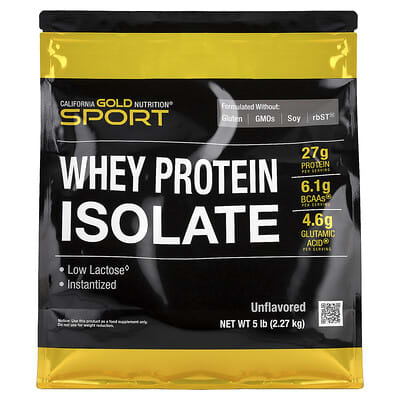
Affiliate links — we may earn a small commission at no extra cost to you. Supplements complement a balanced diet and progressive training; they don't replace them.
The base of the pyramid is built in the kitchen, not the shaker. Most of your protein should come from real meals spread across the day — which is exactly what the timing myth distracts you from. Skinnytaste High Protein gives you 100 dependable high-protein recipes for every meal — the real-food foundation that makes "distribution" effortless.
Stop guessing whether you hit the base layer. The single most useful habit for muscle growth is knowing your grams — and a simple kitchen scale makes that exact. Weighing your protein for a week teaches you portion sizes better than any app, and it's the unglamorous move that beats obsessing over the post-workout minute.
08When timing DOES matter (the real exceptions)
It would be dishonest to say timing never matters — and the people selling the myth aren't entirely wrong, they're just wrong about who it applies to. Here are the situations where getting protein in promptly around training is genuinely useful, not marketing.
| Situation | Why timing matters here | What to do |
|---|---|---|
| Training fully fasted | No pre-workout meal means no amino-acid carryover; you're net catabolic, so the post-session dose is the first supply in hours. | Get 20–40 g of protein (a shake is convenient) soon after — this is the original, valid "window" scenario. |
| Two hard sessions in one day | The recovery window between sessions is short, so refueling promptly matters for the second bout. | Take protein + some carbs after the first session to refill and rebuild before the second. |
| Older adults (anabolic resistance) | Muscle becomes less responsive to protein with age, so each dose needs to be larger and well-timed to trigger MPS. | Prioritize a strong protein hit per meal and around training; this is part of a broader picture of eating well as you age — see our gentle guide to power foods after 30. |
| Elite / high-volume athletes | At very high training loads, the margins shrink and every recovery variable counts. | Use the full protocol: pre + post + distribution + sleep protein, dialed in. |
| Plant-based trainees | Lower leucine per gram means the per-meal threshold is harder to hit, so the around-training dose deserves attention. | Make the post-training meal a blend or add an EAA/leucine top-up; our whey vs plant protein head-to-head covers exactly how to close that gap. |
09Myths & cautions
Protein counts whenever you eat it. A meal at 8 pm builds muscle just as well as one at 6 pm, as long as it's part of your daily total and distribution.
Your body tallies the whole day. The workout is one stimulus; the meals across the day are the building supply.
A shake is just fast, portable food. A meal of chicken, eggs, yogurt, or tofu delivers the same amino acids; it just digests a little slower, which is fine within the wide window.
Choose whichever fits your life. The amino acids are what matter, not the form they arrive in.
The honest bottom line
The anabolic window, as most people were taught it, is a ghost. The 30-minute deadline, the fear of "wasting" a workout, the sprint to the shaker — these were built by stretching a real but narrow finding (protein matters when you train fasted) into a universal rule it was never meant to be. The modern evidence is remarkably consistent and remarkably reassuring: when you eat enough protein across the day and spread it sensibly, the exact minute you drink your shake is one of the least important variables in the entire muscle-building equation.
What actually builds muscle sits at the base of the pyramid, not the peak: enough total protein, spread across three to four meals that each hit the leucine threshold, with a protein-containing meal somewhere in the wide window around your training. Nail that, day after day, and you've done the thing that matters. The stopwatch can stay in your bag. The only people who genuinely need to think harder about timing are those training fasted, training twice a day, training at an elite volume, navigating anabolic resistance with age, or building on a plant-based diet — and even then, the fix is a well-placed meal or an EAA top-up, not a panic.
So here's the permission slip the fitness industry never hands out: you can finish your set, catch your breath, change, drive home, cook a real dinner, and still build every gram of muscle you were going to build. The window didn't close. It was never that small to begin with. Spend the energy you were saving for the clock on the things that actually move the base of the pyramid — and let the rest of your evening be an evening.
Keep reading on Ileany
Protein timing is one piece of a bigger picture — how you eat, how you recover, and how you keep the whole system steady.
Frequently asked questions
Does the anabolic window really exist?
Not as a 30-minute deadline. The real window for protein around a workout is roughly 4–6 hours, and it's even wider if you ate a protein-containing meal 1–3 hours before training. The "rush the shake or lose your gains" framing is largely a myth.
What matters more than protein timing?
Total daily protein intake matters most, then spreading it across 3–4 meals so each delivers enough leucine, then having protein within a few hours of training. Exact minute-by-minute timing matters least.
When does protein timing actually matter?
Most when you train fully fasted, when you do two hard sessions in a day, for older adults with anabolic resistance, for elite high-volume athletes, and for plant-based trainees who need to hit the leucine threshold. In those cases, prompt protein around training is genuinely useful.
How much protein should I eat per meal?
Roughly 0.4–0.55 g per kg of body weight per meal, across 3–4 meals — usually about 20–40 g per meal for most people. That delivers enough leucine to maximally trigger muscle protein synthesis each time.
Should I eat protein before bed?
A slow-digesting protein (casein or a mixed meal) of 30–40 g before sleep can support overnight muscle protein synthesis, especially if your last meal was early. It's a helpful bonus, not a make-or-break rule.
References & further reading
- Schoenfeld BJ, Aragon AA, Wilborn CD, et al. — Pre- versus post-exercise protein intake has similar effects on muscular adaptations. PeerJ / J Int Soc Sports Nutr.
- Schoenfeld BJ, Aragon AA — How much protein can the body use in a single meal for muscle-building? Implications for daily protein distribution. J Int Soc Sports Nutr.
- Aragon AA, Schoenfeld BJ — Nutrient timing revisited: is there a post-exercise anabolic window? J Int Soc Sports Nutr (the landmark review retiring the strict window).
- Tipton KD, et al. — Stimulation of net muscle protein synthesis by whey protein ingestion before and after exercise (pre-workout amino-acid carryover).
- Moore DR, et al. — Ingested protein dose response of muscle and albumin protein synthesis after resistance exercise (the per-meal / muscle-full concept).
- Morton RW, et al. — A systematic review, meta-analysis and meta-regression of the effect of protein supplementation on resistance training-induced gains in muscle mass and strength. Br J Sports Med.
- Snijders T, et al. — Protein ingestion before sleep increases muscle mass and strength gains during prolonged resistance-type exercise training (overnight protein).
- Phillips SM — Nutritional modulators of muscle protein synthesis and the concept of anabolic resistance with ageing.
Comments
Post a Comment