

TRAIN WITH
YOUR CYCLE,
NOT AGAINST IT
Cycle syncing 101 — the honest, evidence-graded version.
Four phases, real hormone shifts, and a plan that adapts to them — plus a clear look at what the science supports, and what it doesn't.
Somewhere between "ignore your body and push through everything" and "your hormones control your entire destiny," there's a quieter, more useful idea: your menstrual cycle is a rhythm, and rhythms can be worked with. That's cycle syncing — the practice of adjusting training, food, and workload to the four phases of your cycle instead of fighting them. It's everywhere on social media, usually oversold, occasionally mocked, and rarely explained with the nuance it deserves.
Here's the honest position we'll defend throughout this guide: the hormone shifts across your cycle are real and well documented — estrogen, progesterone, LH, and FSH rise and fall in a predictable pattern, and they genuinely influence energy, body temperature, mood, fluid balance, and how you use fuel. What is not well documented is the claim that rigidly phase-matching your workouts and meals produces dramatically better results than a consistent, well-designed plan. The evidence there is limited and mixed. So this isn't a rulebook. It's a framework for awareness — a way to stop interpreting normal hormonal dips as personal failure, plan demanding work for your high-energy days, and treat your low-energy days as part of the design rather than a defect.
We'll walk the four phases one by one — what's happening hormonally, how it tends to feel, and what training and food adjustments are sensible (and which are theater). Then we'll be equally clear about where cycle syncing doesn't apply: hormonal contraception, pregnancy, perimenopause, and conditions like PCOS or endometriosis that change the rules entirely. By the end you'll have a practical, kind, evidence-graded way to use your cycle — without letting an app or an algorithm tell you who you're allowed to be on day 21.
📋 What's inside
01What cycle syncing is (and what it isn't)
Cycle syncing means adjusting what you do — training intensity, food emphasis, social and work load — to the hormonal landscape of each phase of your menstrual cycle. The menstrual phase (bleeding), the follicular phase (estrogen rising toward ovulation), the ovulatory phase (the fertile window), and the luteal phase (progesterone dominant, ending in your period or a new cycle). The idea is simple: some days your physiology is geared toward building, output, and heat; other days it's geared toward conservation, repair, and inward focus. Aligning your demands with that tilt, the theory goes, makes everything feel easier.
Now the part most content skips. The hormone curves are real: estrogen climbs through the follicular phase, peaks just before ovulation, dips, then rises again with progesterone in the luteal phase before both fall to trigger bleeding. These shifts measurably affect core temperature, fluid balance, substrate use (a slight shift toward fat oxidation in the luteal phase), mood chemistry, and perceived effort. But the leap from "hormones fluctuate" to "you must restructure your entire life every week" is where the evidence thins out. Systematic reviews of menstrual-phase effects on performance find large individual variation and generally small, inconsistent average effects — meaning your personal pattern matters far more than the population average, and rigid phase prescriptions often miss the person entirely.
02The four phases, mapped
Here's the reference map on a ~28-day cycle. Yours may run 21–35 days and still be perfectly normal — the proportions matter more than the exact day numbers, and tracking your own cycle for two or three months will teach you more than any generic chart.
and still be normal
Four phases, one continuous loop. Notice there's no "bad" phase — there are phases with different jobs, and a culture that only rewards the follicular one.
Both hormones at their floor. Energy and mood often start low and climb as bleeding eases. Iron and warmth matter most here.
- Feel: inward, quieter, sometimes crampy or fatigued early
- Train: gentle movement, mobility, walks; add intensity as you feel it return
- Eat: iron-rich foods + vitamin C, warm comforting meals, hydration
Estrogen rises steadily — often the phase of rising energy, sharper mood, and better recovery. A natural window for progressive work.
- Feel: lighter, more motivated, socially open
- Train: progressive overload, new skills, higher-intensity sessions
- Eat: balanced protein + fiber; fermented foods and fresh plants
Estrogen peaks with the LH surge. Many people feel strongest and most confident here — though a minority notice joint laxity or mid-cycle sensitivity.
- Feel: strong, expressive, high-output
- Train: peak efforts, PR attempts, group or competitive sessions
- Eat: antioxidant-rich plants, cruciferous veg, adequate protein
Progesterone dominates: slightly higher core temperature, more conservative energy, and — late in the phase — the PMS window for many people.
- Feel: steadier then heavier; cravings, tenderness, irritability late
- Train: strength maintenance early; taper to gentle/steady late
- Eat: complex carbs, magnesium & calcium sources, steady meals
03Your month on a graph: energy, mood & appetite
A picture makes the pattern obvious. These are typical curves — yours will have their own personality, which is exactly why tracking beats assuming. Watch three things: energy and mood tend to climb through the follicular phase and peak around ovulation; both dip in the late luteal days for many people; and appetite is usually quietest in the follicular phase and strongest in the luteal — a normal, hormonal hunger, not a discipline failure.
The dip at the far right is the part nobody warns you about. Knowing it's coming — and that it ends — is half of what makes cycle syncing feel like relief instead of another obligation.
04Training with your cycle

Synced training isn't softer training — it's placed training. Peak efforts land where your physiology is primed; recovery work lands where it's needed.
The sensible version of cycle-synced training is a rhythm of emphasis, not a list of prohibitions. In the follicular and ovulatory phases, rising estrogen supports recovery, mood, and often strength output — a natural place for progressive overload, new skills, and your hardest sessions. In the early luteal phase, progesterone's conservative tilt favors maintaining strength with slightly less volume and more steady work. In the late luteal and early menstrual days, if you feel heavy or crampy, gentle movement, walks, mobility, and rest are not a failure of discipline — they're the recovery that makes next week's hard sessions possible. And on the days you feel fine? Train fine. Symptoms override the calendar, every time.
| Phase | Typical training feel | Sessions that tend to fit | Watch for |
|---|---|---|---|
| Menstrual (1–5) | Low early, climbing as bleeding eases | Walks, mobility, yoga, easy technique; add load as energy returns | Heavy bleeding or severe cramps → rest is training too |
| Follicular (6–13) | Rising energy & recovery | Progressive overload, new PRs, intervals, skill learning | Don't overcommit every good day — leave a rep or two most sets |
| Ovulatory (14–16) | Often peak strength & confidence | Top-end efforts, competition, group sessions | A minority feel joint laxity — warm up thoroughly |
| Luteal (17–28) | Steady early, heavier late; warmer | Strength maintenance, steady cardio, technique; taper to gentle late | Late-phase fatigue is hormonal — schedule recovery, don't fight it |
05Eating with your cycle

Phase-tinted, not phase-ruled: the foundation (protein, fiber, fats, hydration) stays constant all month; the accents shift with the hormones.
There is no proven "phase diet," and anyone selling a 28-day meal matrix is overreaching. But sensible accents exist, and they're cheap to apply. In the menstrual phase, blood loss makes iron the headline nutrient — pair iron-rich foods (lentils, greens, red meat if you eat it) with vitamin C for absorption, and favor warm, comforting, easy meals if cramps suppress appetite. Through the follicular phase, appetite is often naturally lower and digestion happier — a good window for lighter, fiber-and-ferment-forward plates. Around ovulation, antioxidant-rich plants and cruciferous vegetables (which support estrogen metabolism) fit well. In the luteal phase, progesterone's effects on temperature and mood make steady complex carbohydrate, magnesium-rich foods (nuts, seeds, greens, dark chocolate), and calcium sources genuinely helpful for cravings and comfort — and skipping meals here tends to backfire badly.
06The support stack, honestly
A few well-chosen supports can soften the rough edges of a cycle — cramps, luteal tension, iron loss, mood swings — without pretending to "balance hormones," which no supplement reliably does. These are the picks we'd stand behind, each matched to the phase where it earns its place.
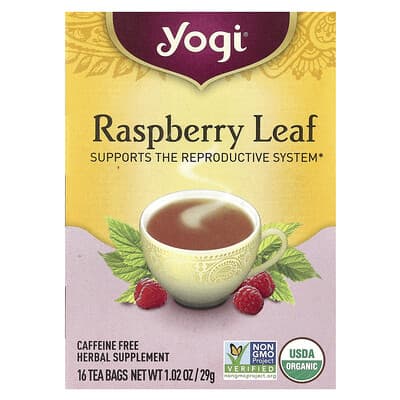
Yogi Tea, Raspberry Leaf, Caffeine Free
Why it's here: raspberry leaf is a traditional uterine tonic, and while the trial evidence is modest, a warm caffeine-free cup is a genuinely useful menstrual ritual — hydration, warmth, and a pause, which together ease perceived cramp intensity for many people. Think comfort tool, not medicine.
Affiliate link — we may earn a small commission at no extra cost to you. A comfort ritual, not a treatment; check with your clinician if pregnant.
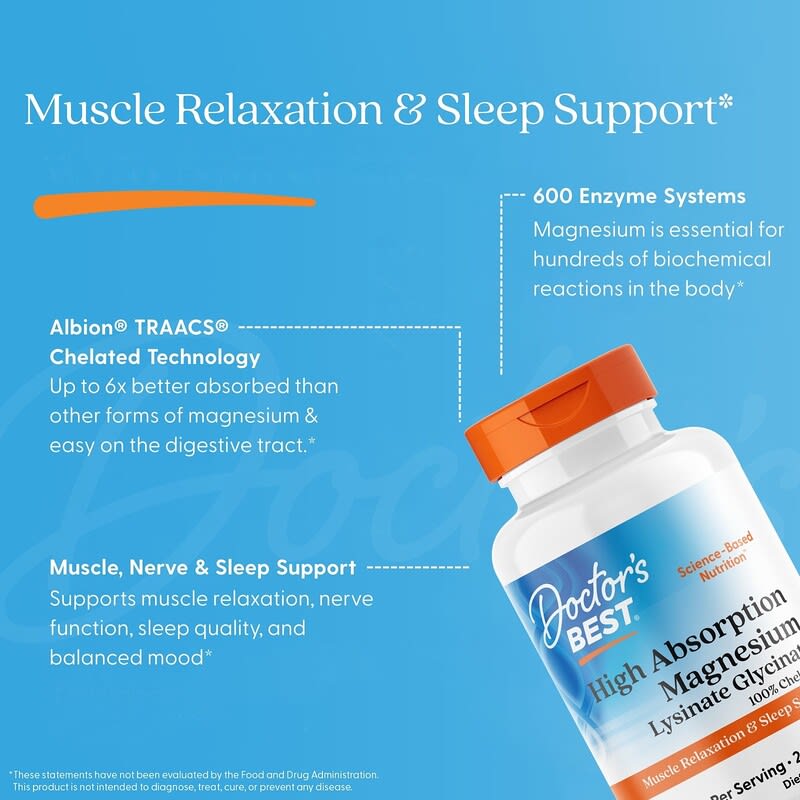
Doctor's Best, High Absorption Magnesium Lysinate Glycinate
Why it's here: magnesium has some of the better evidence among supplements for menstrual cramps, muscle tension, and sleep — all of which tend to worsen in the luteal phase. The glycinate form is gentle on the stomach and supports relaxation without sedation, making it the one supplement we'd put in most luteal-phase toolkits.
Affiliate link — we may earn a small commission at no extra cost to you. Check with your clinician if you have kidney disease or take medications.
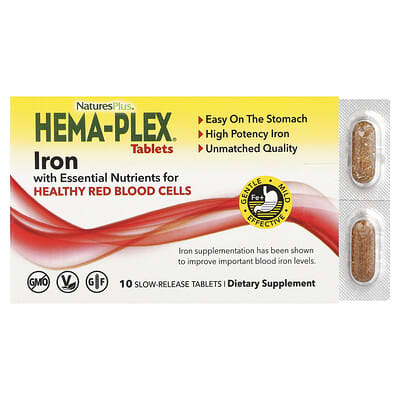
NaturesPlus, Hema-Plex®, Iron with Essential Nutrients
Why it's here: heavy or long periods are one of the most common causes of low iron in menstruating people — and low iron masquerades as "just period fatigue." This combines chelated iron with the co-factors (C, B12, folate) that help it work. Honest caveat: iron is the one supplement you should test for before taking — excess iron is not benign. If your periods are heavy enough to worry about iron, that's also worth a clinician's look.
Affiliate link — we may earn a small commission at no extra cost to you. Test first; do not self-prescribe iron long-term without knowing your ferritin.
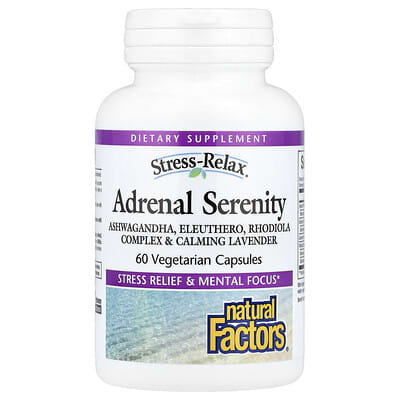
Natural Factors, Stress-Relax®, Adrenal Serenity
Why it's here: the luteal-to-menstrual transition is when stress tolerance tends to bottom out. An adaptogen blend with ashwagandha and rhodiola supports a calmer stress response and steadier focus during those weeks — support for the squeeze, not a hormone "fix." Pair it with the sleep and food basics for real effect.
Affiliate link — we may earn a small commission at no extra cost to you. Adaptogens support, not treat; check with your clinician if pregnant, nursing, on thyroid medication, or managing a health condition.
Three quiet constants that make every phase easier — energy metabolism, mineral status, and an evening wind-down cue.
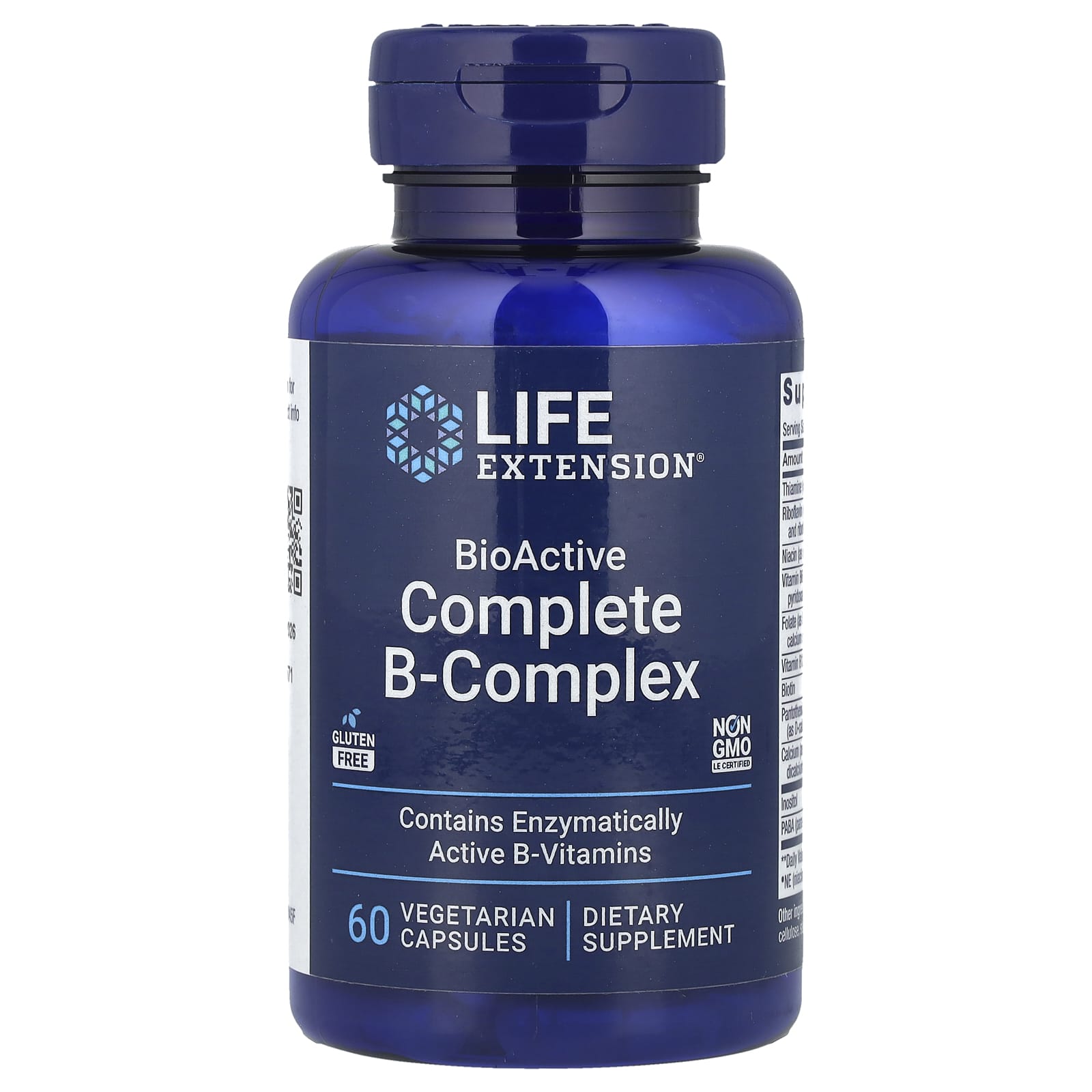
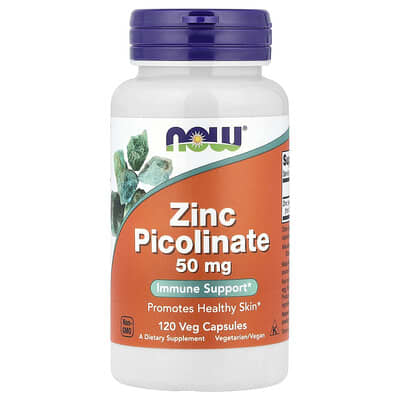
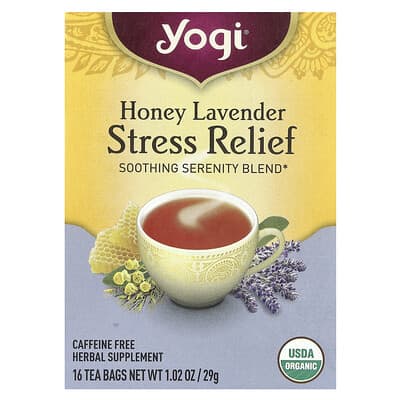
Affiliate links — we may earn a small commission at no extra cost to you. Supports, not treatments; food, sleep, and movement remain the foundation.
Let data find your pattern. Generic phase charts guess; your body knows. A wearable like WHOOP 5.0/MG tracks sleep, HRV, strain, and women's hormonal insights — so you can see your luteal recovery dip or follicular surge in your own numbers and plan around your rhythm, not a textbook's.
Make the gentle days inviting, not punitive. A comfortable non-slip yoga mat turns "rest day" into something you look forward to — mobility, breathwork, or slow flows — and a cold-keeping Owala FreeSip bottle keeps hydration (a real cramp and headache factor) effortless through every phase.
🧮 Fuel the Cycle, Not Just the Calendar
Phase accents only work on top of adequate total fuel. Undereating — especially in the luteal phase — is the fastest way to turn normal hormonal dips into crashes, and chronic under-fueling can disrupt the cycle itself. Set your calorie and protein targets first, then layer the phase adjustments on top.
Try Ileany Calorie Calculator Now 🎯07When cycle syncing doesn't apply
This framework depends on a natural, ovulatory cycle. Several common situations change or remove that rhythm entirely — and applying four-phase rules to them is not just unhelpful, it can be misleading. Know which camp you're in before you sync anything.
| Situation | What changes | What to do instead |
|---|---|---|
| Combined hormonal contraception | Ovulation is suppressed; the bleed is a withdrawal bleed, not a true hormonal phase | Track your own energy/mood patterns; classic four-phase syncing doesn't apply |
| Pregnancy & breastfeeding | An entirely different hormonal state with its own needs | Follow prenatal/postnatal guidance and your clinician — not a cycle calendar |
| Perimenopause & post-menopause | Cycles become irregular then cease; estrogen declines overall | Shift focus to strength training, protein, bone and sleep support |
| Absent periods (amenorrhea / RED-S) | A missing cycle is a signal of under-fueling, stress, or a medical cause — not a "phase" | See a clinician; restore energy availability. Syncing is irrelevant until the cycle returns |
| PCOS, endometriosis, PMDD | Hormonal patterns and symptoms differ from the typical curve and need real management | Medical care first; use tracking and lifestyle as support, not treatment |
08Myths that make syncing feel like a chore
Hormone fluctuations are proven; the claim that rigid phase-matched training and diets beat a consistent good plan is not. Reviews find small, inconsistent average effects and huge individual variation.
Used as a planning and self-knowledge framework — plan hard work for high-energy days, honor low-energy days — it genuinely helps. Used as dogma, it disappoints.
Many people feel fine or even stronger once bleeding begins and cramps ease. Blanket rest rules infantilize a normal physiological event.
Heavy bleeding, bad cramps, or real fatigue → gentle days. Feeling strong → train strong. The phase is a hint about probability, not a verdict about you.
Progesterone raises energy expenditure and appetite in the luteal phase. Increased hunger late in the cycle is physiology, not weak willpower.
Steady meals with protein, fiber, and fats — plus magnesium-rich foods — soften cravings. Feeding the luteal phase well is part of the protocol, not a breach of it.
No supplement reliably "balances" hormones. Severe symptoms usually signal an underlying condition (PCOS, endometriosis, PMDD, thyroid) that needs diagnosis.
Magnesium, calcium, and iron (when deficient) ease real symptoms. Persistent or severe symptoms deserve a clinician — that's the difference between support and care.
09When to see a doctor
Most cycle variation is normal. But some signals mean the calendar is the wrong tool and a clinician is the right one — and recognizing them is part of being good at this, not a failure of it.
- Very heavy bleeding — soaking through protection hourly, periods longer than ~7 days, or large clots: get evaluated (and check iron/ferritin).
- Severe pain that stops your day or isn't relieved by standard measures — endometriosis and other causes deserve diagnosis, not endurance.
- Absent periods for 3+ months (not pregnant) — a signal of under-fueling, stress, or a hormonal cause that needs attention.
- Severe premenstrual mood symptoms — despair, panic, or suicidality in the luteal phase can be PMDD, a treatable medical condition, not "bad PMS."
- Signs of PCOS — very irregular cycles, excess hair growth, persistent acne, or difficulty with weight: worth proper workup.
The honest bottom line
Cycle syncing, stripped of the marketing, is this: your hormones shift in a predictable pattern, and those shifts change how energy, mood, appetite, and recovery feel. That part is solid physiology. What the evidence does not support is the rigid version — the idea that matching every workout and meal to a phase chart will transform your results. The truth is gentler and more useful: the cycle is a lens for self-knowledge and a tool for kinder planning, not a rulebook.
So use it that way. Track two cycles before changing anything, and let your pattern override the generic one. Place your hardest training where your energy reliably lives, and protect the days that reliably feel heavy — not because a chart says so, but because yours does. Feed every phase well, with extra iron when you're bleeding, extra magnesium and steady carbs when you're luteal, and adequate fuel always. Know the situations where syncing doesn't apply — the pill, pregnancy, perimenopause, absent periods, PCOS — and get real medical care for real symptoms instead of trying to out-supplement them.
Done this way, cycle syncing stops being another performance system to fail at and becomes something rarer: a form of respect for the body you actually have. Some months you'll ride the follicular wave; some months you'll spend week four in gentle mode with a warm cup of raspberry leaf tea and zero guilt. Both are the protocol working. That's the whole point — and honestly, it's enough.
Keep reading on Ileany
Your cycle is one rhythm in a stack of them. These go deeper on the layers that surround it.
Frequently asked questions
What is cycle syncing?
Cycle syncing is adjusting your training, nutrition, and workload to the four phases of your menstrual cycle — menstrual, follicular, ovulatory, and luteal — so you work with your hormone shifts instead of against them. It's best understood as an awareness and planning tool rather than a proven performance protocol.
Is cycle syncing backed by science?
Partly. Hormone fluctuations across the cycle are real and well documented, and they influence energy, temperature, mood, and fuel use. But high-quality trials showing that phase-based training or eating beats a consistent well-designed plan are limited and mixed. The strongest support is for using the cycle for awareness, PMS management, and avoiding overreach — not as a rigid rulebook.
What should I eat in each menstrual cycle phase?
There's no proven phase-specific diet. Sensible accents: iron-rich foods and warm comforting meals during menstruation; balanced protein and fiber through the follicular phase; antioxidant-rich plants around ovulation; and slightly more complex carbohydrate, magnesium, and calcium in the luteal phase. The foundation — protein, fiber, healthy fats, hydration — stays the same all month.
Should I skip hard training during my period?
Not necessarily. Many people train perfectly well during menstruation, and some feel stronger once bleeding begins and cramps ease. If you have heavy bleeding, significant cramps, or fatigue, scaling back to gentle movement for the first day or two is reasonable. Listen to symptoms rather than the calendar — the phase is a hint, not a verdict.
Does cycle syncing work on hormonal birth control?
Not in the same way. Combined hormonal contraceptives suppress ovulation, so the natural estrogen and progesterone rhythm that cycle syncing follows doesn't occur; the bleed on the pill is a withdrawal bleed, not a true menstrual phase. You can still track your own energy and mood patterns, but classic four-phase syncing doesn't apply.
Which supplements help with PMS?
The best-supported options are magnesium (cramps, tension, sleep), calcium, and moderate vitamin B6, with some evidence for chasteberry in cyclical breast pain. Iron matters if heavy bleeding has lowered your stores — but only after testing. Supplements support comfort; they don't treat underlying conditions like endometriosis or PMDD, which need medical care.
References & further reading
- McNulty KL, et al. — The effects of menstrual cycle phase on exercise performance and related variables: a systematic review and meta-analysis. Sports Medicine. 2020.
- Meignié A, et al. — The effects of menstrual cycle phase on elite athlete performance: a critical and systematic review. Sports Medicine. 2021.
- Elliott-Sale KJ, et al. — Methodological considerations for studies in sport and exercise science with female participants: guidelines for future research. Sports Medicine. 2021.
- Sims ST, Heather AK — Myths and methodologies: reducing scientific design ambiguity in the real world of female athlete research. Experimental Physiology. 2018.
- Prior JC — Ovulation and the physiology of progesterone: the hidden half of the cycle and its metabolic effects.
- Hall JE — Neuroendocrine control of the menstrual cycle. In: Endotext / NCBI Bookshelf.
- American College of Obstetricians and Gynecologists (ACOG) — Committee opinions on heavy menstrual bleeding, dysmenorrhea, and premenstrual syndrome (including PMDD) evaluation.
- Mountjoy M, et al. — IOC consensus statement on relative energy deficiency in sport (RED-S): implications for menstrual function.
Comments
Post a Comment