

STUBBORN FAT,
RANKED & FACT-CHECKED
Jeremy Ethier's 5-zone framework, tested against the evidence.
Visceral, face, upper body, love handles, lower belly — scored 1 to 10 for stubbornness. We review each claim, grade the science, and give our verdict.
"Why You Store Fat Here, And How To ACTUALLY Lose It" — Jeremy Ethier
This article is an independent, evidence-based review of the framework presented by Jeremy Ethier (7.9M subscribers) in the video below. All credit for the original 5-zone stubbornness ranking, the DXA-scan demonstrations, and the training/diet strategies belongs to Jeremy and his team. Our job here is different: to grade each claim against the published science, add what the video leaves out, and give you our honest verdict. Watch the source first — then read our fact-check.
Few topics in fitness generate more frustration — and more nonsense — than stubborn fat. You lose weight, your face and arms lean out, your clothes fit better… and then there's that area. The lower belly that won't budge. The love handles that outlast every diet. The chest or back fat that seems welded on. And the internet's answer is usually a cream, a wrap, or a "10-minute ab burner" that cannot possibly work.
Jeremy Ethier's video takes the opposite approach: it ranks five fat-storage zones by stubbornness — visceral (1/10), face (3/10), upper body (6/10), love handles (8.5/10), lower belly (10/10) — and explains, with DXA scans and research, why each behaves differently and what actually moves it. It's one of the clearest public explanations of regional fat loss we've seen. But "clear" and "correct" aren't the same thing, so we put every major claim through the evidence: what's strongly supported, what's plausible-but-individual, and where we'd add nuance the video skips.
📋 What's inside
01The framework at a glance (5 zones, 5 scores)
Ethier's core idea is that fat loss is not uniform: different regions empty at different rates, in a fairly predictable order, because fat cells in different areas have different receptor profiles and blood flow. He scores each zone's "stubbornness" from 1 (easiest) to 10 (hardest):
Ethier's stubbornness scores, visualized. The gradient from teal to deep red tracks both difficulty and (inversely) health urgency — visceral fat is the easiest to lose and the most important to lose.
02Zone-by-zone: the claims vs. the science
Zone 1 — Visceral fat (1/10): the dangerous one that goes first
Ethier's claim: deep fat around the organs is the most health-relevant and the most responsive — vigorous aerobic exercise, HIIT, and a calorie deficit are the top interventions, with lifting helpful but best combined with cardio. Strong This matches the evidence he cites: a 2023 systematic review and meta-analysis of 84 randomized trials found vigorous aerobic exercise and HIIT among the most effective exercise approaches for reducing visceral fat. Visceral adipose tissue is metabolically active and mobilizes readily under an energy deficit and catecholamine drive — which is exactly why it responds fast. Our take: this is the video's strongest zone and the one with the clearest public-health payoff. If you only act on one zone, act on this one.
Zone 2 — Face fat (3/10): often water, not fat
Ethier's claim: a "puffy" face is frequently water retention from high sodium and processed food, and the face is among the first areas to lean out in a real deficit. Moderate The water-retention point is physiologically sound but transient — sodium shifts extracellular water for days, not permanently, so it's not "fat" at all. The "face leans early" observation is consistent with the general last-in-first-out pattern and countless transformation records, but it's observational, not trial-proven. Our take: directionally right; just don't confuse a de-bloating week with fat loss, and don't chase "face fat" with facial exercises (no evidence).
Zone 3 — Upper body fat (6/10): reshape with muscle
Ethier's claim: sex-specific distribution (men storing more around chest/back) means the visual fix is partly building the underlying muscle — overhead triceps extensions, incline presses and flyes — alongside a lean, protein-rich diet and 8,000–10,000 steps/day. Strong on the muscle-building logic (hypertrophy changes regional shape independent of fat), Moderate on the step target (8–10k steps is well-supported for health and energy expenditure, though it's a heuristic, not a magic number). Our take: this is the zone where the video's "you can't spot-reduce but you can spot-shape" distinction shines — and it's the most underused idea in mainstream fat-loss advice.

The visceral-fat zone responds best to exactly this: vigorous aerobic work plus a deficit. The 84-trial meta-analysis Ethier cites puts HIIT and vigorous cardio at the top.
Zone 4 — Love handles (8.5/10): the alpha-receptor problem
Ethier's claim: this area is stubborn because of a higher concentration of alpha-adrenergic receptors that resist fat mobilization; spot reduction is impossible, so the play is a V-taper (lateral raises, pull-ups) to create the illusion of a smaller waist while overall body fat drops; and below ~20% body fat (men) / ~30% (women), tracking calories (body weight in lbs × 10–13) becomes important. Strong on the receptor physiology (alpha-2 vs beta-2 adrenergic density is a well-established mechanism for regional stubbornness) and on the spot-reduction debunking (classic trials show area-specific exercise does not burn area-specific fat). Moderate on the ×10–13 calorie formula — a reasonable starting estimate, but individual maintenance varies by ±20% or more, so it must be calibrated against scale trends. Our take: the honest framing here ("you can't choose where fat leaves, but you can choose what muscle looks like underneath") is exactly right.

You can't spot-reduce, but you can spot-shape: building the triceps, chest, and delts changes how an area looks while the deficit does the systemic work.
Zone 5 — Lower belly fat (10/10): the final boss
Ethier's claim: the lower belly is last to go, often requiring ~10–12% body fat in men; as you get leaner your calorie needs drop, so the diet and activity must be re-adjusted; and aggressive deficits risk muscle loss, so cap weekly loss at body weight × 0.007 (~0.7%/week). Strong on the rate-of-loss guardrail — 0.5–1%/week is precisely the range the lean-mass-preservation literature supports, and slower rates retain more muscle in leaner individuals. Moderate on the "10–12%" figure — directionally true for most men but highly individual (genetics set where your lower belly clears; for some it's 12%, for others 9%). Our take: this zone is where patience and paper-thin margins decide outcomes; the video's warning against crashing calories here is the single most valuable sentence in the whole framework.
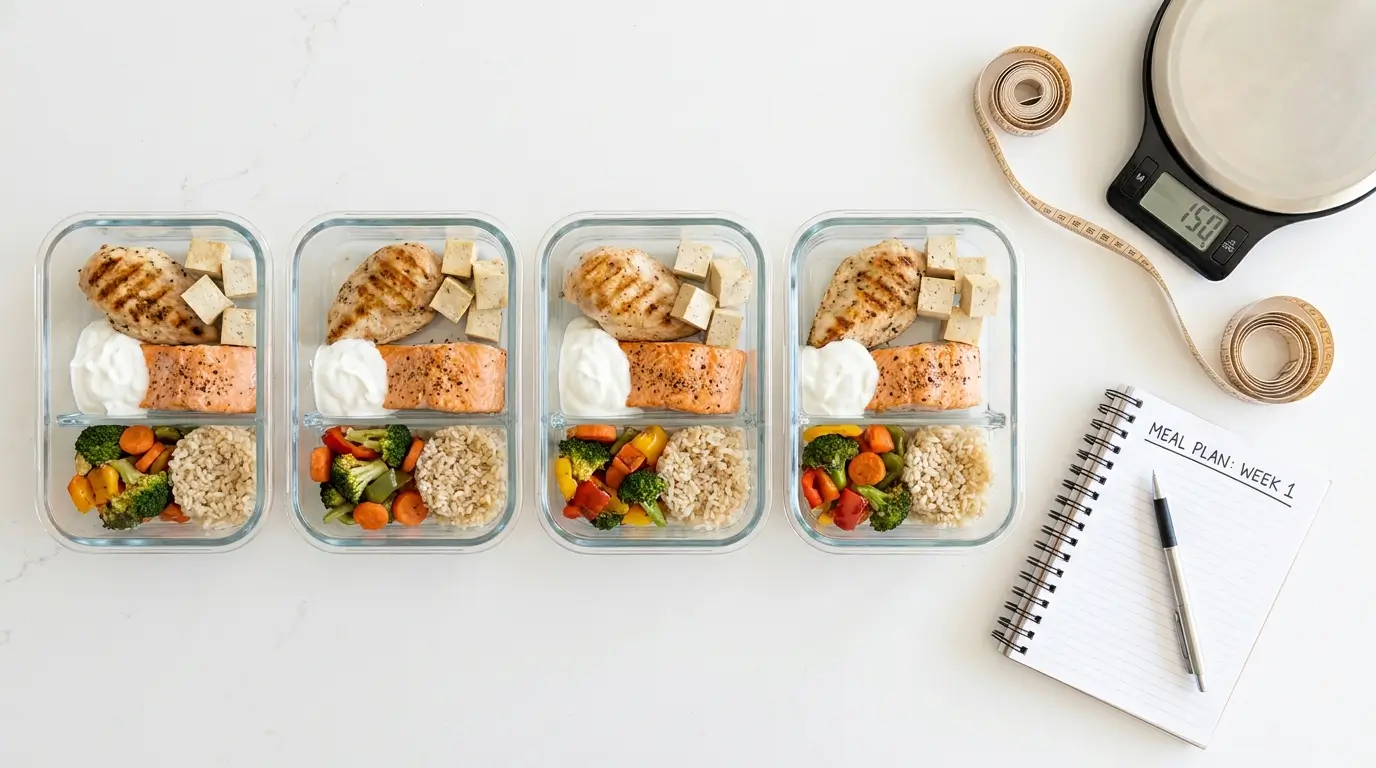
The final zones are won in the kitchen: portioned, protein-forward meals keep the deficit real when margins shrink and hunger rises.
03The Ileany verdict
One of the most evidence-aligned fat-loss frameworks on YouTube
Accurate on mechanism, honest about spot reduction, and sensible on rate of loss. Loses half a star only for leaning on DXA anecdotes where trials would be stronger, and for calorie formulas presented a touch too cleanly.
| Claim | Evidence | Grade | Ileany's take |
|---|---|---|---|
| Visceral fat responds best to vigorous aerobic/HIIT + deficit | 2023 meta-analysis of 84 RCTs | Strong | Agree fully; highest-health-value target. |
| Spot reduction is impossible; muscle building reshapes | Classic RCTs (area-specific exercise trials) | Strong | Agree; the "spot-shape" nuance is excellent. |
| Alpha-receptors make love handles/lower belly stubborn | Adrenergic receptor physiology (well-established) | Strong | Agree; correct mechanism, correctly applied. |
| Regional loss order (face early, lower belly last) | Physiology + transformation/DXA records | Moderate | Plausible and consistent; individual variation is real. |
| Track calories below ~20%/30% body fat; lbs × 10–13 | Practical heuristic / expert opinion | Moderate | Useful starting point; must calibrate to scale trends. |
| Cap loss at ~0.7% body weight/week to spare muscle | Lean-mass preservation literature (0.5–1%/wk) | Strong | Agree; the best single guardrail in the video. |
| Face "fat" is often sodium/water retention | Fluid-balance physiology | Moderate | True but transient — it's water, not fat; don't conflate. |
04What Ethier gets right (and why it matters)
- Deficit-first, always. Every zone strategy sits on top of a sustained calorie deficit — the one non-negotiable in fat loss. No cream, wrap, or "metabolic trick" substitutes for it.
- Honest about spot reduction. He tells viewers plainly that ab exercises won't burn belly fat — a message most of the industry won't deliver because it sells worse.
- Health before aesthetics. Leading with visceral fat (the dangerous one) rather than the vanity zones reframes the whole pursuit correctly.
- Muscle as the shape-maker. The "spot-shape, don't spot-reduce" idea gives people agency where they actually have it.
- Anti-crash-deficit stance. Capping weekly loss to protect muscle is the difference between losing fat and losing your physique.
05Where we'd add nuance
- Anecdote ≠ trial. The DXA transformations are compelling storytelling, but the grades above come from the published literature, not the scans. Treat the scans as illustration.
- Individual variation is huge. Receptor density, blood flow, and genetics set your personal order and endpoints. Your lower belly may clear at 12% or at 9%; neither means you did it wrong.
- Formulas are starting points. lbs × 10–13 and the 20%/30% tracking thresholds are averages. Calibrate against 2-week scale trends, not the formula.
- Who should skip the final zones. If you're already lean, female with menstrual irregularity, or carrying a history of disordered eating, chasing 10% body fat is a poor trade. Health outranks the last pocket of fat.
- Sleep and stress belong in the model. The video under-weights them; poor sleep raises hunger drive and blunts deficit adherence, and it's where many "stubborn" phases actually stall. (See our 16/8 guide for one structured way to manage eating windows, and remember protein distribution myths we debunked in our protein timing review apply here too.)
06Putting it into practice (the protocol)
Aim for ~0.5–1% body weight loss per week (Ethier's 0.007 cap sits inside this). Hold protein at 1.6–2.2 g/kg to protect muscle. This single layer decides whether any zone moves at all.
Per the 84-trial meta-analysis, this is the highest-yield cardio for the dangerous fat. Add 8–10k daily steps as your low-stress energy floor.
Overhead triceps extensions, incline presses/flyes, lateral raises, pull-ups — the V-taper and upper-body shape work Ethier prescribes. Progressive overload, always.
Below ~20%/30% body fat, start tracking intake, re-estimate needs as weight drops, and accept a slower rate. The final zones are a patience game with thin margins — win it with consistency, not crash diets.
🎯 Set Your Deficit Before You Chase Any Zone
Every strategy above sits on one number: your calorie deficit. Get your targets (calories, protein, and the 0.5–1%/week rate) dialed in first — then the zone work has something to stand on.
Try Ileany Calorie Calculator Now 🎯07Tools that make the deficit easier
The framework is behavior-heavy: track when lean, hit protein, move daily, prep meals. A few well-chosen tools remove friction from exactly those behaviors.

Etekcity Food Kitchen Scale
Why it's here: Ethier's advice to track calories below ~20%/30% body fat is only as good as your measurements. A 1-gram-accurate scale turns "roughly a chicken breast" into a real number — the difference between a deficit that works and one you imagine.
Affiliate link — we may earn a small commission at no extra cost to you.
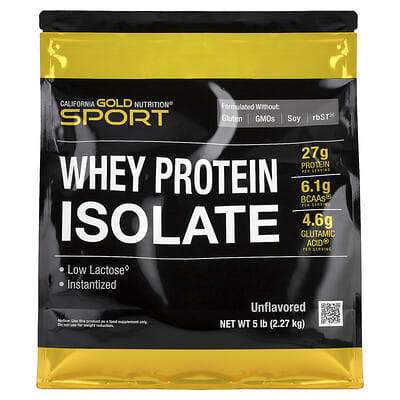
California Gold Nutrition, Sport Whey Protein Isolate
Why it's here: high protein is the muscle-preservation half of the 0.7%/week rule. An unflavored isolate slots into oats, coffee, or water to hit 1.6–2.2 g/kg without adding cooking time — the easiest insurance against losing muscle while the stubborn zones empty.
Affiliate link — we may earn a small commission at no extra cost to you.

LMNT Zero Sugar Electrolytes
Why it's here: vigorous cardio and HIIT (the visceral-fat prescription) plus a calorie deficit mean sweat and lower intake — a recipe for flat, crampy sessions. Zero-sugar electrolytes keep the work quality high without adding a single calorie to the deficit you're protecting.
Affiliate link — we may earn a small commission at no extra cost to you.
Three friction-removers for the behaviors the framework actually depends on: prep, move, measure.


Affiliate links — we may earn a small commission at no extra cost to you.
The stall nobody talks about is sleep. Poor sleep raises hunger drive, blunts deficit adherence, and is where many "stubborn" phases actually plateau. If your nights are the weak link, INSOMNIAC: The Ultimate Sleep Therapy walks through the causes and the practical fixes — protecting the recovery your deficit depends on.
08Myths & cautions
| Myth | Reality |
|---|---|
| "Ab workouts burn belly fat." | Area-specific exercise doesn't burn area-specific fat (classic RCTs). It builds muscle; the deficit burns fat. |
| "Creams/wraps/saunas melt love handles." | They shift water temporarily. Fat loss requires a sustained energy deficit. Period. |
| "Crash harder to finish the lower belly." | Aggressive deficits in lean states cost muscle. Slow down (≤~1%/wk), don't speed up. |
| "Everyone can reach single digits healthily." | Genetics set sustainable ranges. For many, chasing the last zone trades health for aesthetics — a bad deal. |
| "Face fat means I'm doing it wrong." | Face puffiness is often transient water/sodium. Judge trends over weeks, not mornings. |
The honest bottom line
Jeremy Ethier's five-zone framework is, in our assessment, one of the most evidence-aligned explanations of stubborn fat available to the public. Its ranking order tracks real receptor and blood-flow physiology; its refusal to promise spot reduction matches decades of trials; its visceral-fat prescription matches a 2023 meta-analysis of 84 randomized trials; and its rate-of-loss cap sits squarely inside the lean-mass-preservation literature. Our 4.5/5 reflects that strength, minus half a star for leaning on DXA anecdotes and presenting population formulas a touch too cleanly.
Our own verdict adds three things the video under-weights: individual variation (your order and endpoints are partly genetic — neither 12% nor 9% means you failed), sleep and stress (the silent stall-points of most "stubborn" phases), and who should skip the final zones entirely (the very lean, the under-fueled, and anyone with a history of disordered eating). Fat loss is systemic, regional order is biological, and the last pocket of fat is a patience problem with thin margins — won by consistency, protein, and a deficit you can actually sustain.
So take the framework seriously, take the formulas as starting points, and take the final zones slowly. Watch Jeremy's video for the full demonstrations — it earns its views — then run the protocol above with the guardrails we've added. The stubborn fat isn't personal, and it isn't permanent. It's just last in line.
Keep reading on Ileany
The same evidence base, applied three other ways.
Frequently asked questions
Can you spot-reduce belly fat or love handles?
No. Area-specific exercise doesn't burn area-specific fat. Fat loss is systemic, ordered largely by genetics and receptor biology. You can build muscle underneath to improve shape while a deficit removes fat overall.
Why is lower belly fat the hardest to lose?
Stubborn zones have more alpha-2 adrenergic receptors (which resist mobilization) and poorer blood flow. They empty last — often requiring low-teens body fat in men before visibly clearing.
What's the fastest way to lose visceral fat?
Vigorous aerobic exercise and HIIT combined with a calorie deficit — the top-ranked approaches in a 2023 review of 84 randomized trials. Resistance training adds muscle and metabolic benefit.
How fast should I lose fat to keep muscle?
About 0.5–1% of body weight per week. Ethier's 0.007-per-week cap (~0.7%) sits inside that evidence-based range and is a sensible guardrail, especially as you get leaner.
Do I need to track calories?
Not always — habits, protein targets, and steps suffice for many. Tracking becomes genuinely useful below ~20% body fat (men) / ~30% (women), when margins shrink and small errors matter.
References & further reading
- Jeremy Ethier — "Why You Store Fat Here, And How To ACTUALLY Lose It" (source video; full credit to the author).
- 2023 systematic review & meta-analysis of 84 randomized controlled trials on exercise and visceral adipose tissue (as cited in the source video).
- Arner P — Adrenergic receptor physiology and regional differences in human adipose tissue lipolysis.
- Katch FI, et al. — Influence of sit-up exercise on abdominal fat (no spot reduction).
- Vispute SS, et al. — The effect of abdominal exercise on abdominal fat (J Strength Cond Res, 2011).
- Garthe I, et al. — Effect of two different weight-loss rates on lean mass and strength in athletes (0.5–1%/week guidance).
- Helms ER, et al. — Evidence-based recommendations for natural bodybuilding contest preparation: rate of loss and protein.
- Morton RW, et al. — Protein supplementation and resistance-training gains: meta-analysis (protein in a deficit).
Comments
Post a Comment