
Morning Cortisol Spike: Normal or a Sign of Burnout?
You wake up and your body is already revving — heart up, mind racing, before you've even sat up. That's cortisol doing its job. But when does a healthy morning surge cross the line into a stressed-out, burned-out system? Here's how to read the difference.

A morning cortisol rise is meant to feel like this — gentle, alert, awake. The trouble starts when "awake" turns into "wired and exhausted" and never switches off.
📋 What's inside
- What cortisol is & the morning surge (CAR)
- Normal vs. burnout: reading the curve
- What burnout actually is (and isn't)
- The symptom checklist: healthy or a warning?
- What the research really says
- Why your morning cortisol runs high
- A calm-down protocol (morning to night)
- Supplements that can help (honestly)
- Myths: adrenal fatigue & "cortisol face"
- When to see a doctor
- FAQ
There's a strange little panic growing around cortisol. Scroll for five minutes and you'll be told your morning energy is actually a "cortisol spike" that's quietly destroying your hormones, your sleep, and your waistline — and that you need a special powder, a pricey protocol, or an "adrenal reset" to fix it. It's a great story. It's mostly not true.
Here's the calmer reality: a rise in cortisol when you wake up is not a bug — it's a feature. It's called the Cortisol Awakening Response, and it's one of the signs your stress system is working exactly as it should. The problem isn't the morning surge itself. The problem is when that surge never settles, when your curve flattens or flips, and when "alert" quietly turns into "wired, anxious, and exhausted all at once." That's the pattern worth paying attention to — and it has a name that matters more than cortisol: burnout.
This guide untangles the two. We'll show you what a healthy cortisol day actually looks like, how a stressed or burned-out curve differs, what genuinely drives a high morning spike, and — most usefully — what to do about it, from the first hour of your day to the last. No fear, no miracle cures, no invented diagnoses. Just the science, the signs, and a plan you can start tomorrow morning.
01What cortisol is & the morning surge (CAR)
Cortisol gets a bad reputation as "the stress hormone," as if it were something to eliminate. It isn't. Cortisol is essential: it wakes you up, mobilizes energy, regulates blood sugar, calms inflammation, and helps you respond to challenges. You want it. The question is never "do I have cortisol?" but "is my cortisol following a healthy rhythm?"
In a well-functioning body, cortisol follows a gentle daily wave. It's lowest around midnight, begins climbing in the last hours of sleep, and then jumps sharply in the first 30–45 minutes after you open your eyes. That jump is the Cortisol Awakening Response (CAR) — a built-in "boot-up sequence" that floods you with alertness so you can get out of bed and meet the day. After that peak, cortisol gradually tapers through the afternoon and evening, reaching its low point again at night so you can fall asleep.
This shape — high and sharp at sunrise, low and quiet at bedtime — is the signature of a stress system that's doing its job.
02Normal vs. burnout: reading the curve
Here's the heart of your question. The same hormone, two very different pictures. A healthy curve and a stressed/burned-out curve can both involve "high cortisol" — but in completely different places on the clock, which is why "is my cortisol high?" is the wrong question. The right question is "high or low, and when?"
Notice the burnout line isn't "higher" everywhere — it's flatter. The system has lost its shape. That loss of rhythm is the real fingerprint of chronic stress.
A clear morning surge that settles
You wake with energy that builds over the first hour, then you feel calmly alert through the day and naturally wind down by evening.
- Alert within ~30–60 min of waking
- Steady, even energy through the day
- Calm, sleepy by bedtime
- Sleep that actually refreshes you
Wired-but-exhausted, all day long
You wake groggy and never quite "arrive," feel flat or anxious through the day, then can't switch off at night no matter how tired you are.
- Groggy, unrefreshed on waking
- Afternoon crashes + jittery anxiety
- Racing mind at bedtime
- Sleep that never feels enough
03What burnout actually is (and isn't)
Before we list symptoms, a quick but important clarification, because "burnout" gets thrown around like a synonym for "tired." It isn't. The World Health Organization defines burnout specifically as a syndrome resulting from chronic workplace stress that hasn't been successfully managed, with three dimensions: feelings of energy depletion or exhaustion, increased mental distance or cynicism toward your work, and reduced professional effectiveness.
Notice what's in that definition and what isn't. Burnout isn't just "a busy week" — that's stress, and stress is normal and often useful. Burnout is what happens when the stress never lifts and your system stops recovering. And critically, it's tied to context — usually work or caregiving that demands more than you can sustainably give. That's why the fix isn't "try harder" or "take a supplement"; it's changing the load, the recovery, or both. If that exhausted-but-wired feeling has become your everyday reality, our guide on stress & fatigue — why you're exhausted and how to break the cycle walks through exactly that loop and how to step out of it.
04The symptom checklist: healthy or a warning?
Use this as a sense-check, not a diagnosis. Many of these show up in healthy people occasionally. What matters is pattern, persistence, and pile-up — several of these, most days, for weeks, that don't lift with rest.
Healthy: a clear surge that builds after waking. Warning: groggy and "never quite awake," or instantly wired and anxious.
Healthy: you fall asleep fairly easily and wake rested. Warning: you're exhausted but your mind won't shut off at night.
Healthy: a gentle, manageable dip. Warning: a hard crash plus jitters, or a flat fog that never lifts.
Watch for: a short fuse, constant low-grade dread, or feeling "on edge" with no clear trigger — a system stuck in fight-or-flight.
Watch for: brain fog, scattered attention, and "where did my motivation go?" that persist despite rest.
Watch for: cynicism, numbness, or "I just don't care anymore" about work you used to value — a hallmark of burnout.
Watch for: frequent headaches, tension, getting sick often, or a racing heart at rest that don't resolve with a break.
05What the research really says
Let's ground this in evidence, because the cortisol conversation online is full of certainty the science doesn't actually have. Here's the honest state of play.
The CAR is real and well-documented — a robust morning peak is associated with better daytime functioning and is considered a marker of a healthy, responsive stress system. So far, so reassuring. Where it gets nuanced is chronic stress and burnout: research has found that people under prolonged stress or with burnout often show a flattened cortisol rhythm — a blunted morning peak and/or elevated cortisol later in the day — rather than a simple "too much cortisol" across the board. In other words, the system doesn't just run hot; it loses its shape.
This is exactly why "my cortisol is too high" is an oversimplification, and why at-home "cortisol tests" sold online should be treated with heavy skepticism. A single measurement tells you almost nothing; the pattern across the day is what clinicians look at, ideally with timed samples and a full clinical picture. Studies on burnout and depression have also shown mixed and sometimes contradictory cortisol patterns — which is a polite way of saying the relationship is real but complicated, and not something to read off a symptom quiz.
06Why your morning cortisol runs high
If your mornings feel more "wired" than "awake," here are the usual, very fixable culprits — most of which have nothing to do with a broken adrenal gland and everything to do with modern life.
| Common driver | What it does to your morning |
|---|---|
| Poor or short sleep | The single biggest disruptor. A bad night can amplify the morning surge and leave you wired-yet-tired. |
| Caffeine on an empty stomach, fast | Hits a fasted, cortisol-rising system and stacks a second spike on top — jitters and a harder crash. |
| Reaching for your phone first thing | Floods a booting brain with stress signals and dopamine hits before it's ready — a harsh start. |
| Chronic, unmanaged stress | Keeps the baseline elevated so the curve never fully resets overnight. |
| Late-night light & screens | Pushes cortisol and alertness into the evening, blunting the next morning's rhythm. |
| Low morning light exposure | Without a strong daylight signal, the daily rhythm drifts and the CAR gets muddled. |
| Skipping breakfast / blood-sugar swings | A fasted, low-sugar morning can read as a stress signal and spike cortisol further. |
| Dehydration | Even mild dehydration stresses the body and can nudge cortisol up on waking. |
07A calm-down protocol (morning to night)
Here's a simple rhythm that works with your cortisol instead of fighting it — front-loading the alertness you want in the morning and protecting the wind-down you need at night. No willpower marathons required.

The first hour sets the tone. Light, water, and a slow breath do more for your morning cortisol than any supplement.
Get natural daylight in your eyes within the first hour (a window counts; outside is better) and drink a glass of water. This anchors your rhythm and tells your body the day has begun — gently.
Let your natural cortisol peak do its job first, then add coffee on top of a hydrated, fed system. Caffeine on an empty, fasted stomach is what turns "alert" into "wired and shaky."
A couple of minutes of slow, longer-exhale breathing (try 4 in, 6 out) signals safety to your nervous system and takes the edge off a racing start. Pair it with light movement or stretching if you can.
A protein-and-fiber breakfast, a real lunch, and some daytime movement keep blood sugar and cortisol from swinging. Short breaks beat white-knuckling through the afternoon.
Lower the lights an hour before bed, put the phone down, and do something calming. Protecting your evening is how you earn a clean morning — the rhythm you build at night is the one you wake up into.
A calming ritual helps more than you'd think. A caffeine-free cup of Yogi Stress Relief tea (lavender, chamomile, lemon balm) in the late afternoon, and Yogi Bedtime tea (passionflower + chamomile) an hour before bed, give your nervous system a clear "we're winding down now" cue. The ritual itself is half the medicine.

The evening you build is the morning you wake into. A dim, screen-free wind-down is the quiet hero of a healthy cortisol curve.
If sleep is the weak link, treat it like the priority it is. A supportive, cooling contour pillow can ease the neck tension that keeps stressed people awake, and if insomnia is the real blocker, a structured guide like INSOMNIAC: The Ultimate Sleep Therapy walks through the causes and the practical steps to switch an overactive mind off. Prefer to start with habits and natural aids first? Our 7 natural insomnia treatments are a great, evidence-based first stop. Better sleep is the single most powerful cortisol reset there is.
08Supplements that can help (honestly)
A few supplements have genuine, modest evidence for calming the stress response and supporting sleep — and they work best alongside the protocol above, not instead of it. Think of them as a nudge, not a reset button. Here's how we'd rank them.

NutraBio, KSM-66® Ashwagandha
Why it's here: KSM-66 is the most-studied ashwagandha extract, with trials showing reductions in perceived stress and cortisol and improvements in sleep quality. It's the closest thing to an evidence-based "calm the stress response" supplement — modest, but real. Best taken consistently, often in the evening if it makes you drowsy.
Affiliate link — we may earn a small commission at no extra cost to you. Not a treatment; check with your clinician if pregnant, on thyroid or sedative medication, or managing a health condition.
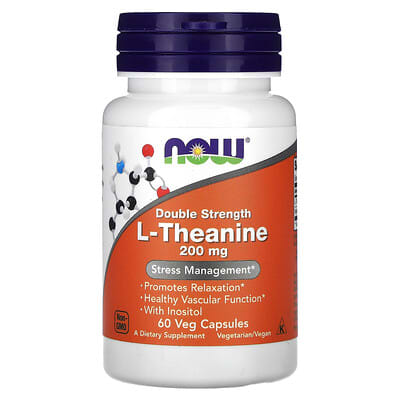
NOW Foods, L-Theanine
Why it's here: L-theanine promotes relaxed alertness without sedation, and it's a smart companion to morning coffee — smoothing the jittery edge while keeping the focus. Useful if caffeine tips you into wired-and-anxious rather than awake.
Affiliate link — we may earn a small commission at no extra cost to you. A supportive tool, not a treatment for anxiety disorders.
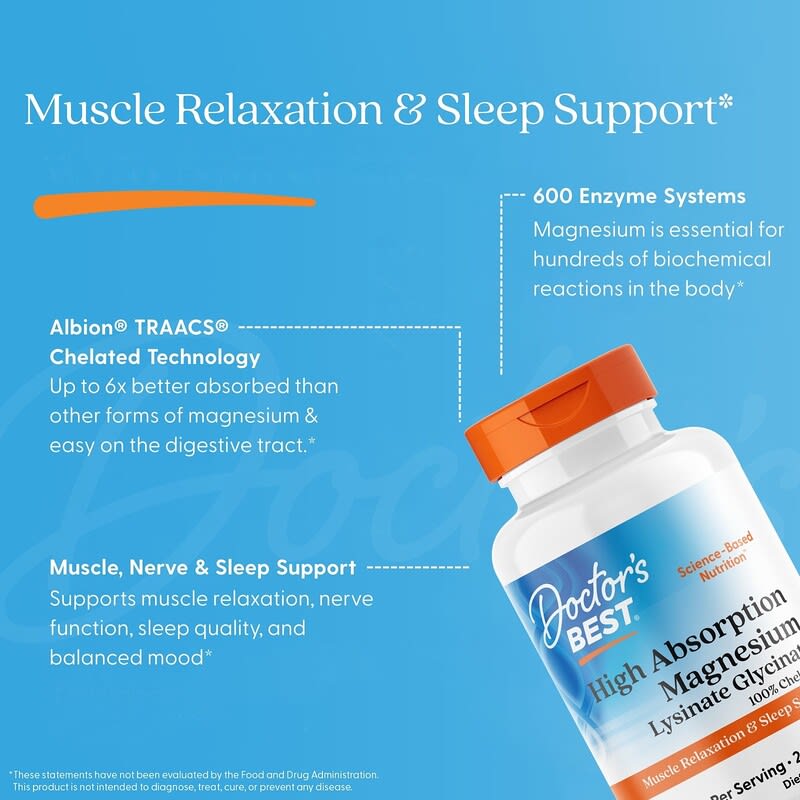
Doctor's Best, High Absorption Magnesium Glycinate
Why it's here: magnesium glycinate is gentle and well-absorbed, and it supports muscle relaxation, nervous-system calm, and sleep quality — exactly what a wired evening needs. Taken an hour before bed, it's a quiet, dependable part of the wind-down. (For the full breakdown of which form and dose works best for sleep, see our magnesium for sleep guide.)
Affiliate link — we may earn a small commission at no extra cost to you. Check with your clinician if you have kidney disease or take medications.
Three gentle, complementary ways to signal "we're done for the day" — stack the ones that fit your evening.
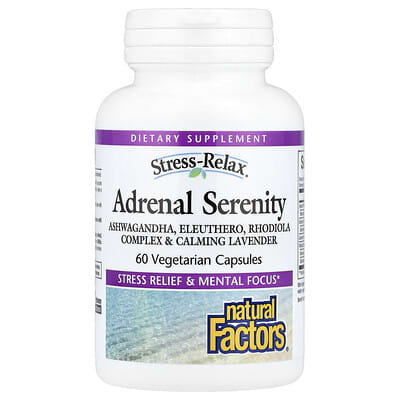
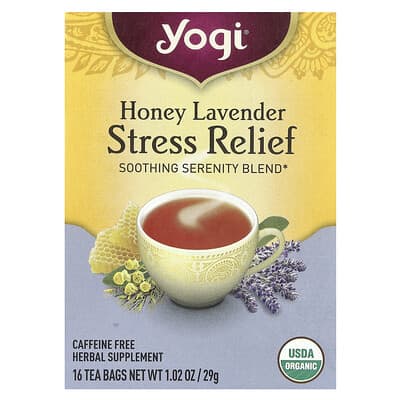
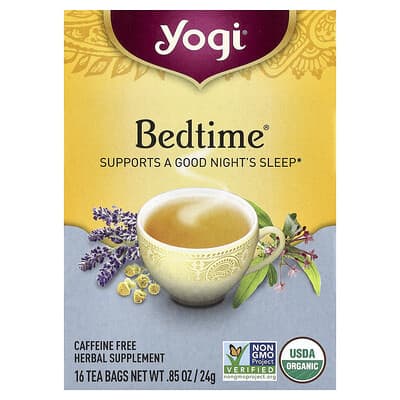
Affiliate links — we may earn a small commission at no extra cost to you. These are gentle supports, not treatments; check with your clinician if pregnant, nursing, or on medication.
Don't overlook the basics. A dehydrated, low-electrolyte morning reads as stress to your body. A zero-sugar electrolyte like LMNT with your morning water is a small, often-forgotten move that takes the edge off a wired start — especially if you train hard or wake up dehydrated.
See the pattern, don't guess it. A wearable like WHOOP 5.0 tracks sleep, recovery, HRV, and a Stress Monitor — so you can actually watch how a late night or a hard week shows up in your recovery, instead of relying on how you feel. Data beats dread, every time.
09Myths: adrenal fatigue & "cortisol face"
"I have adrenal fatigue."
"Adrenal fatigue" is not a recognized medical diagnosis, and endocrine societies don't support it. Your symptoms are real — but they're better explained by chronic stress, poor sleep, burnout, or other conditions that deserve a real evaluation, not an unproven label.
"A morning cortisol spike is bad."
The morning surge (CAR) is healthy and expected — it's how you wake up. The concern is a curve that stays elevated or flattens, not the peak itself.
"Cortisol face / cortisol belly" is a diagnosis.
Puffy "cortisol face" and central weight gain are features of Cushing's syndrome — a rare, specific medical condition — not of everyday stress. Don't self-diagnose a serious disease from a TikTok; if you have genuine concerns, get tested.
"I need to detox / reset my adrenals."
There's no adrenal "detox." Your stress system recalibrates through sleep, light, stress management, and recovery — not powders or cleanses. Save your money for the habits.
"More sleep automatically lowers cortisol."
Sleep is the biggest lever, but timing and consistency matter as much as hours. A regular sleep-wake rhythm and a dark, screen-free evening do more for the curve than sleeping in on weekends.
10When to see a doctor
Most wired mornings and tired evenings get better with the changes above. But some signals mean it's time to bring in a professional — and there's no shame in that, only sense.
- Persistent, unexplained fatigue that doesn't lift with rest — worth checking for thyroid, iron, B12, sleep apnea, and more.
- Sleep that never refreshes you, or insomnia lasting more than a few weeks.
- Ongoing low mood, anxiety, or loss of interest — these deserve real support, not just a "tough it out."
- Unexplained weight, blood-pressure, or skin changes — get them evaluated rather than attributing them to "cortisol."
- Suspected Cushing's or adrenal issues — these are real, rare conditions that need proper testing, not a supplement.
The honest bottom line
That surge of cortisol when you wake up is not a warning sign — it's your body booting up, and a clear morning peak is a sign of a healthy, responsive stress system. The thing worth watching isn't the spike; it's the shape of the whole day. When the curve flattens or flips — groggy and unrefreshed in the morning, wired and unable to switch off at night — that's the fingerprint of chronic stress and burnout, and it's the pattern that asks for action.
But here's the reassuring part: the levers that fix a stressed-out curve are almost all behavioral, and almost all within your reach. Light in the morning, caffeine delayed and fed, a slow breath, steady food and movement, and a real, screen-free wind-down at night. Supplements like ashwagandha, L-theanine, and magnesium glycinate can offer a modest, honest nudge on top of that — never instead of it. And the idea that you need to "detox your adrenals" or that a wired morning means you're broken? That's marketing, not medicine.
So don't fear your morning cortisol. Work with it. Build a day that has a shape again — a clear start, a steady middle, and a quiet end. And if the exhaustion and the wired mind don't lift with rest and good habits, that's not a failure of willpower; it's a signal to slow down and get real support. Your stress system has been carrying you for a long time. The kindest thing you can do is finally let it rest.
Keep reading on Ileany
The cortisol conversation connects to a few other pieces we've written on stress, sleep, and the nutrients that calm the system.
Frequently asked questions
Is a morning cortisol spike normal?
Yes. Cortisol naturally peaks about 30–45 minutes after you wake up — the Cortisol Awakening Response (CAR) — and it's a healthy, expected part of your daily rhythm that helps you feel alert. A morning rise on its own is not a sign of stress or burnout.
How do I know if my cortisol is too high?
A single "wired" feeling isn't enough to judge. Concerning patterns include feeling exhausted yet unable to wind down, sleep that doesn't refresh you, a flat or reversed daily curve, persistent anxiety, and physical signs that don't resolve with rest. Only a clinician can assess this properly, often with timed tests.
What's the difference between stress and burnout?
Stress is a response to too much pressure and usually eases when the pressure lifts. Burnout, recognized by the WHO as an occupational phenomenon, results from chronic unmanaged stress and shows up as exhaustion, mental distance or cynicism toward your work, and reduced effectiveness. It's a signal to change the situation, not push harder.
How can I lower my morning cortisol naturally?
Get bright natural light soon after waking, delay caffeine 60–90 minutes, hydrate before coffee, do a few minutes of slow breathing or gentle movement, keep a consistent sleep and wake time, and manage evening light and stress. Adaptogens like ashwagandha and calming nutrients like magnesium glycinate and L-theanine can offer modest support alongside these habits.
Is "adrenal fatigue" a real diagnosis?
No. "Adrenal fatigue" is not a recognized medical diagnosis, and major endocrine societies don't support it. The symptoms people describe are real, but they're better explained by chronic stress, poor sleep, burnout, or other medical conditions that deserve a proper evaluation.
When should I see a doctor about cortisol?
See a doctor if you have persistent unexplained fatigue, sleep that never refreshes you, ongoing anxiety or low mood, unexplained weight or blood-pressure changes, or symptoms that don't improve with rest and good habits. If you ever have thoughts of self-harm or feel unable to cope, seek urgent help right away.
References & further reading
- World Health Organization (WHO) — Burn-out an "occupational phenomenon": International Classification of Diseases (ICD-11).
- Stalder T, et al. — Assessment of the cortisol awakening response: expert consensus guidelines. Psychoneuroendocrinology.
- Pruessner JC, et al. — Free cortisol levels after awakening: a reliable biological mark for the assessment of adrenocortical activity.
- Chida Y, Steptoe A — Cortisol awakening response and psychosocial factors: a systematic review and meta-analysis.
- Salvador A — Coping with competitive situations in humans and the cortisol response; chronic stress and HPA dysregulation.
- McEwen BS — Protective and damaging effects of stress mediators: allostasis and allostatic load.
- Endocrine Society / Society for Endocrinology — statements on "adrenal fatigue" not being a recognized medical condition.
- Chandrasekhar K, et al. — A prospective, randomized, double-blind study of KSM-66 ashwagandha on stress and cortisol.
- Hidese S, et al. — Effects of L-theanine administration on stress-related symptoms; Kimura K, et al. — L-theanine reduces psychological and physiological stress responses.
- Abbasi B, et al. — The effect of magnesium supplementation on primary insomnia.
Comments
Post a Comment