

PUT THE PHONE DOWN,
KEEP THE PEOPLE
Reduce screen time without feeling disconnected.
A realistic 24-hour unplug routine — no cold-turkey drama, no FOMO. Just intentional screens and a life that still answers back.
Here's the trap most "digital detox" advice falls into: it treats your phone like a toxin to be purged, then acts surprised when you white-knuckle through a weekend offline and are back doomscrolling by Monday night. The purge fails because the phone isn't just a slot machine — it's also your map, your bank, your calendar, and the thread that keeps you tied to your sister, your coworkers, and your group chat. Cut it off entirely and you don't feel detoxed. You feel disconnected — and the rebound is brutal.
So this isn't a detox in the purge sense. It's a re-routine. The goal isn't zero screen time; it's removing the compulsive, low-value scrolling — the 40 unconscious pickups a day, the feed at 1 a.m. — while keeping every part of your phone that genuinely serves you. Done right, you end up with less screen time and more connection, because the time you reclaim goes to real people and real rest instead of a feed engineered to hold your thumb.
Below you'll get the honest science (what screens actually do to attention, sleep, and stress — and what the evidence does and doesn't support), a full 24-hour unplug routine you can start tomorrow, a set of "swap, don't quit" moves that protect your sense of connection, a gentle 7-day ramp, and a few tools that make the new defaults stick. No guilt, no monk-mode. Just a calmer relationship with the glowing rectangle.
📋 What's inside
01The paradox: more connected, more drained
Modern phones deliver something unprecedented: constant, effortless contact with almost everyone you've ever known. And yet the same device that connects us is reliably linked, in survey after survey, to feeling drained, fragmented, and oddly alone. That's the paradox — and it has a mechanical explanation. Passive scrolling is not social contact. Watching someone's curated highlight reel is to friendship what fast food is to a meal: it hits the same receptors, delivers some of the same signals, and leaves you less nourished than before.
The drain comes from three directions at once. First, the feed is built on variable reward — the same psychology as a slot machine — so you keep pulling for the next hit long after you're full. Second, every ping and switch leaves attention residue: part of your mind stays parked on the thing you just checked, so even "quick" looks fragment your focus for the next task. Third, the time has to come from somewhere — and it mostly comes from sleep, movement, and face-to-face time, the three things that most reliably generate the energy and connection you're actually tired for lack of. The phone doesn't just fail to fill the tank; it quietly siphons it.
02What screens actually do (honestly)
Let's ground this in evidence, because the detox conversation swings between "phones are fine" and "phones are frying your brain," and neither is accurate. Here's the honest state of play.
The dopamine loop is real. Feeds, infinite scroll, and notification badges are engineered around intermittent, unpredictable reward — the most habit-forming schedule known in behavioral psychology. This isn't a moral failing on your part; it's a designed response. Attention residue is real too: research on task-switching shows that after you check a message, part of your attention remains tied to it, degrading the next thing you do. And evening light matters: blue-rich light in the hours before bed delays melatonin release and pushes your body clock later, making it harder to fall asleep — a moderate but consistent effect, amplified by the fact that stimulating content keeps your mind aroused on top of it.
Where we should be more humble is the "screens cause anxiety and depression" claim. The evidence there is mostly observational — it shows correlation, not clean causation, and effect sizes are modest and inconsistent. The strongest, most defensible mechanism is displacement: screens don't so much poison you as crowd out the things that protect you — sleep, exercise, sunlight, and in-person connection. That framing matters, because it changes the fix. You don't need to fear the device; you need to protect the displaced hours.
03The reframe: reduce, don't disappear
Before the routine, the mindset — because this is what keeps you from feeling disconnected. Three rules:
The connective tissue is the second swap. The fear of missing out is real, so we don't ignore it — we schedule over it. A two-minute voice note or a planned 10-minute call delivers more genuine connection than an hour of watching someone's stories, and it removes the anxiety of "am I out of the loop?" because you have a real, scheduled thread to the people who matter. You're not opting out of your life; you're upgrading the quality of the contact.
04The 24-hour unplug routine
Here's the full day, built around protecting the displaced hours rather than policing every minute. You don't need all of it at once — the 7-day ramp below introduces it piece by piece.
Warm = phone-free, blue-grey = intentional use, teal = analog wind-down. The phone stays in your life; it just loses its all-day residency.
Light in your eyes, water, a few minutes of movement or stretching — before the feed. This anchors your circadian rhythm and your mood for the day; a phone-free sunrise hour also pairs beautifully with a healthy morning cortisol rhythm, which light and routine help regulate far better than a feed does.
Choose 2–3 fixed check-in times instead of 40 unconscious pickups. Between them, the phone lives in another room, face-down, notifications off. You'll answer real messages at the next batch — and everyone who truly needs you knows to call.
Take the scroll you'd normally spend eating and convert it into a 10-minute walk, ideally outside. Sunlight and movement are the afternoon energy fix people keep trying to get from their phone.
Park screens around sunset, swap the feed for tea, a journal, a call, or a mat session, and charge the phone outside the bedroom. The bedroom becomes for sleep and people — the single highest-leverage change on this list. If sleep is your weak point, our guide on magnesium for sleep covers the wind-down chemistry that pairs with a screen-free bedroom.

The first hour, reclaimed. Sunlight, breath, and no feed — the cheapest, most effective "detox" there is.
05Swap, don't quit
The reason detoxes feel like loss is that they remove without replacing. So we replace. Every scroll below gets a concrete, connection-preserving swap — the habit stays, the object changes.

The analog evening: mat, journal, tea — and the phone charging face-down across the room. Same comfort, real rest.
06The 7-day ramp-down
Don't install the whole routine in one night. Ramp it in, one default at a time, so each change sticks before the next lands.
| Day | The one change | Why it works |
|---|---|---|
| 1–2 | Track your baseline (screen-time report) — change nothing | You can't fix what you don't see; awareness alone shifts behavior |
| 3 | Notifications off (except calls/texts) + grayscale screen | Removes the slot-machine pings and the color pull |
| 4 | Phone-free first hour | Protects your morning rhythm and attention |
| 5 | Phone-free meals | Restores taste, satiety cues, and real conversation |
| 6 | Sunset rule: screens parked after dinner | Opens the analog evening and protects sleep onset |
| 7 | Phone charges outside the bedroom + review your week | The highest-leverage change; then keep what worked |
07Tools that help
A few well-chosen tools make the new defaults easier to keep — mostly by giving your hands and your evening something better than a feed. These are supports, not requirements.

Yogi Tea, Bedtime® (Caffeine Free)
Why it's here: a warm cup is the perfect physical replacement for the phone in your hand at night. The ritual — kettle, mug, a few quiet minutes — gives your nervous system a clear "we're winding down" cue, and passionflower plus chamomile make it a genuinely soothing one. It's the swap that makes the sunset rule feel like a treat, not a punishment.
Affiliate link — we may earn a small commission at no extra cost to you. A comforting ritual, not a sleep medication.
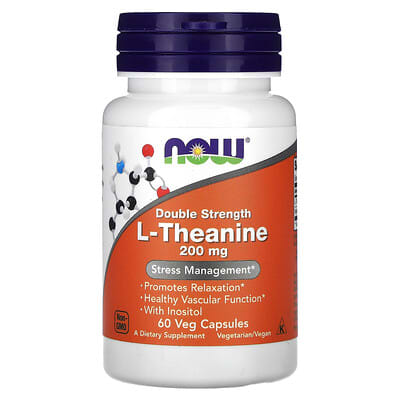
NOW Foods, L-Theanine
Why it's here: a lot of "micro-scrolling" is really a fidgety search for a mental reset between tasks. L-theanine promotes relaxed alertness without sedation, smoothing that jittery edge so the urge to grab the phone between deep-work blocks quiets down. It's the focus-side companion to a phone-in-another-room workday.
Affiliate link — we may earn a small commission at no extra cost to you. A supportive tool, not a treatment for anxiety.
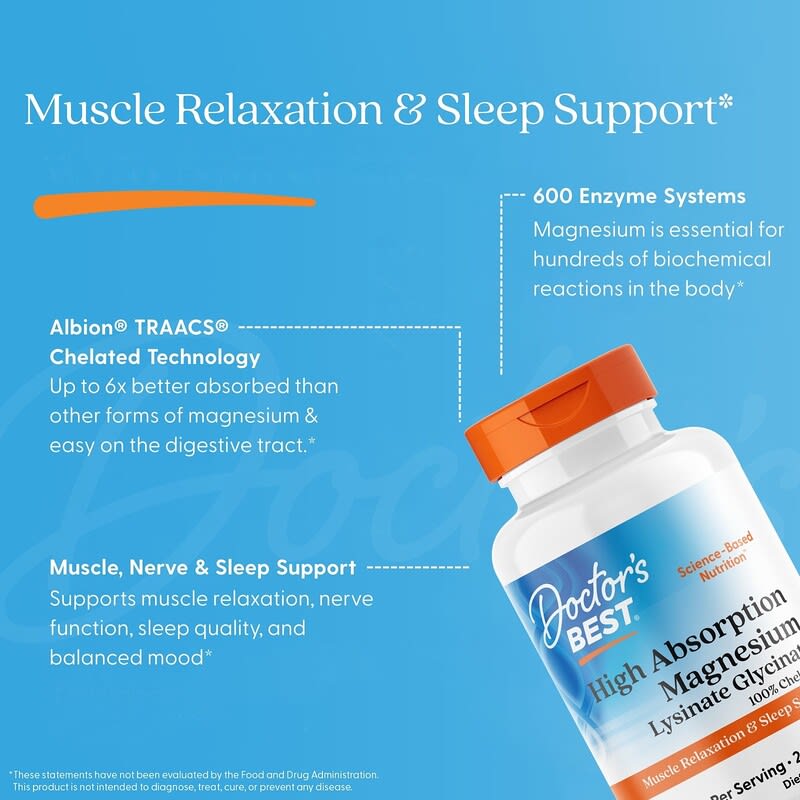
Doctor's Best, High Absorption Magnesium Glycinate
Why it's here: once the phone leaves the bedroom, sleep quality becomes the visible payoff — and magnesium glycinate is a gentle, well-absorbed support for relaxation and sleep. Taken an hour before bed, it slots neatly into the new analog wind-down. (Pair it with our magnesium for sleep guide for form and dose.)
Affiliate link — we may earn a small commission at no extra cost to you. Check with your clinician if you have kidney disease or take medications.
Three small defaults that make the analog evening easier than the feed.

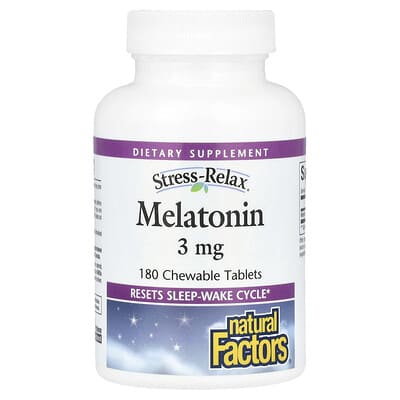

Affiliate links — we may earn a small commission at no extra cost to you. Supports for a routine, not replacements for one.
If the phone was stealing your sleep, rebuild the sleep on purpose. Once screens leave the bedroom, give the new routine a backbone: INSOMNIAC: The Ultimate Sleep Therapy walks through the causes of insomnia and the practical steps to switch an overactive mind off — the exact skill a screen-free wind-down is trying to build.
See the payoff, don't guess it. A wearable like WHOOP 5.0 tracks sleep, recovery, and HRV — so you can literally watch your recovery improve as late-night scrolling disappears. Data on the win is the best motivation to keep the new defaults.
08When it's more than a habit
Most of the time, heavy screen use is a habit loop that a good re-routine fixes. But sometimes the scrolling is a symptom, not the cause — a way of numbing anxiety, low mood, or ADHD-driven restlessness. A few honest flags:
- You scroll to escape feelings (dread, sadness, panic) more than to see anything.
- Cutting screen time makes you feel genuinely distressed, irritable, or anxious beyond ordinary habit-friction.
- Screen use is paired with persistently low mood, poor sleep, or loss of interest in things you used to enjoy.
- You've tried structured changes and they repeatedly collapse within days.
The honest bottom line
The digital detox that works isn't a purge — it's a re-routine. Purges fail because the phone carries your map, your bank, and your people; cut it off and you don't feel clean, you feel disconnected, and the rebound wins. The reframe is simpler and kinder: keep the useful phone, remove the compulsive layer, and protect the specific hours that displacement steals — your first hour, your evenings, and your sleep.
The science backs exactly that target. Variable-reward feeds, attention residue, evening light, and the crowding-out of sleep and real connection are real, well-documented mechanisms. The "phones fry your brain" panic is overstated; the "screens steal your best hours" case is solid. So the fix isn't fear — it's defaults: notifications off, checks batched, a phone-free first hour, a sunset rule, and a bedroom the phone doesn't enter. And the disconnection fear gets solved directly, by swapping passive scrolling for active contact — scheduled calls and voice notes that deliver real connection on your terms.
Start with the 7-day ramp. Let the first week buy you calmer evenings, the second a clearer head. Use the swaps so nothing feels like loss, and the tools so the new defaults stick. You'll still have a phone — you'll just have a life that answers back louder than the feed. And that, in the end, is the only detox that ever lasts.
Keep reading on Ileany
Screen time touches sleep, stress, and morning rhythm — these go deeper on each.
Frequently asked questions
Does a digital detox mean quitting my phone?
No. A sustainable detox is about intentional use, not abstinence. Cold-turkey usually fails because phones carry real work and connection. The goal is removing compulsive, low-value scrolling while keeping the parts that serve you.
How do I reduce screen time without feeling disconnected?
Replace passive scrolling with active connection: schedule real calls or voice notes, keep one or two intentional check-in times, and let close contacts know how to reach you urgently. You stay connected on your terms.
Does blue light from screens really affect sleep?
Evening blue light can delay melatonin and push your body clock later, making sleep harder. The effect is real but moderate, and stimulating content adds to it. Dimming lights, night mode, and stopping screens 60–90 minutes before bed all help.
How long does a digital detox take to work?
Most people notice calmer evenings and easier sleep within the first week and clearer attention by two to three weeks. A gradual ramp that changes your environment beats a dramatic weekend purge.
Is doomscrolling bad for my mental health?
Observational research links heavy passive scrolling with worse mood and stress, though it shows correlation more than causation. What's clear is that it displaces sleep, movement, and real connection — the things that reliably support mental health.
References & further reading
- Leroy S — The effects of attentional residue on cognitive performance (task-switching and attention residue).
- Cain MS, Gradisar M, Moseley L — A school-based survey of screen time and its relationship to sleep and daytime sleepiness.
- Chang A-M, et al. — Evening use of light-emitting eReaders negatively affects sleep, circadian timing, and next-morning alertness. PNAS.
- Twenge JM, et al. — Increases in depressive symptoms and suicide-related outcomes among adolescents alongside screen time (observational).
- Orben A, Przybylski AK — The association between adolescent well-being and digital technology use (small, inconsistent effects).
- Hunt MG, et al. — No More FOMO: Limiting social media decreases loneliness and depression (experimental).
- American Academy of Sleep Medicine / sleep-hygiene guidance on evening light and screens.
Comments
Post a Comment